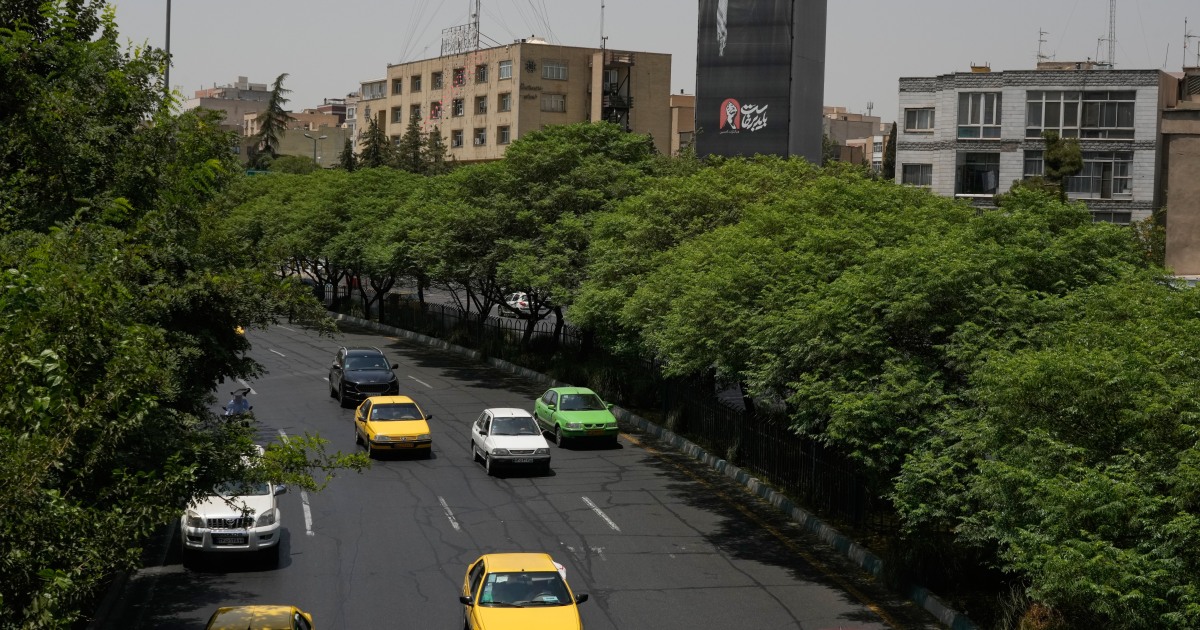
U.S. Bombs Bridges Around Iran's Main Port in a Sixth Straight Night of Strikes
American forces hit at least six bridges in Hormozgan province, appearing to cut the Strait of Hormuz port city of Bandar Abbas off from the roads to Tehran, as Iran fired back at U.S. positions across the Gulf.
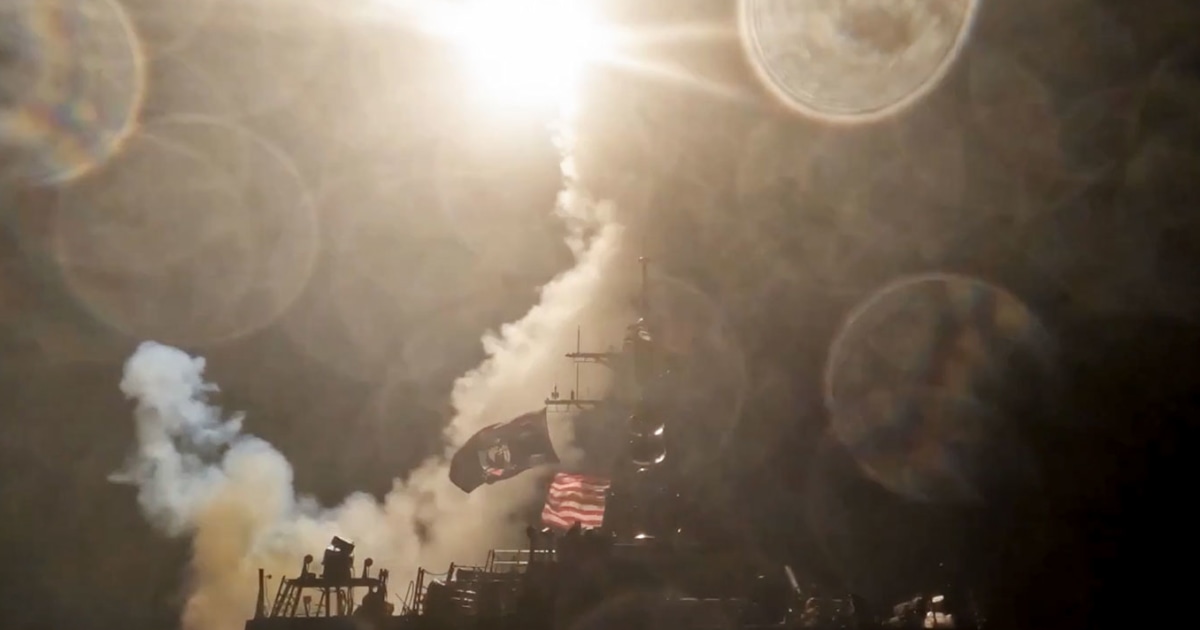
The United States struck Iran for a sixth consecutive night, hitting at least six bridges in the southern province of Hormozgan in an apparent bid to sever Bandar Abbas — Iran's main port and the anchor of its position on the Strait of Hormuz — from the highways and rail lines leading north to Tehran.
The latest wave began around 18:00 GMT Thursday and was described by American officials as an effort to further degrade Iranian military capabilities. Iranian media reported at least eight people killed and 20 wounded in the bridge strikes. Among the spans hit was one still under construction. Many of the targeted bridges sat on routes feeding Bandar Abbas, a coastal city that hosts a naval base of the Islamic Revolutionary Guard Corps and handles the bulk of Iran's seaborne trade.
The campaign has expanded well beyond the initial strikes on military sites. U.S. forces are once again enforcing a blockade of Iranian ports, and Central Command announced that Marines had conducted what it called a "verification boarding" of a tanker in the Gulf of Oman. American forces have also disabled an Iranian oil tanker attempting to skirt the blockade, tightening a squeeze on the export revenue that funds Tehran's military.
Iran has answered by widening its own target set across the Gulf. Qatar, Kuwait and Jordan have come under Iranian fire, and Tehran has claimed strikes on U.S. military positions in Bahrain, Oman and Syria. Air raid sirens have sounded in Bahrain and Kuwait, drawing in states that have spent the war trying to stay out of it. Iranian officials warned that the war "will spread" if the American campaign continues.
The strikes on transport infrastructure mark an escalation in kind, not just in tempo. Bridges, power facilities and rail stations are dual-use targets, and hitting them shifts the campaign from degrading Iran's ability to shoot toward degrading its ability to move anything at all — troops, missiles, fuel or civilians. The choke point matters far beyond Iran: roughly a fifth of the world's oil passes through the Strait of Hormuz, and Bandar Abbas is the hinge on which Tehran's ability to threaten that traffic turns.
The fighting continues with no sign of de-escalation, and an earlier ceasefire framework has collapsed. At home, the war has become a political liability for President Donald Trump. A Washington Post-Ipsos poll found just 29 percent of Americans approve of his handling of the conflict, even as he insists the United States is "winning big in Iran." The Senate this week blocked a roughly $1 trillion defense authorization bill in a rare rebuke tied to the president's conduct of the war.