More Than 500 Rohingya Refugees Feared Dead After Two Boats Capsize Off Myanmar
U.N. agencies say two overcrowded vessels that set out from Myanmar's Rakhine state in late June are believed to have sunk, in what could be one of the deadliest maritime disasters of the refugee crisis.
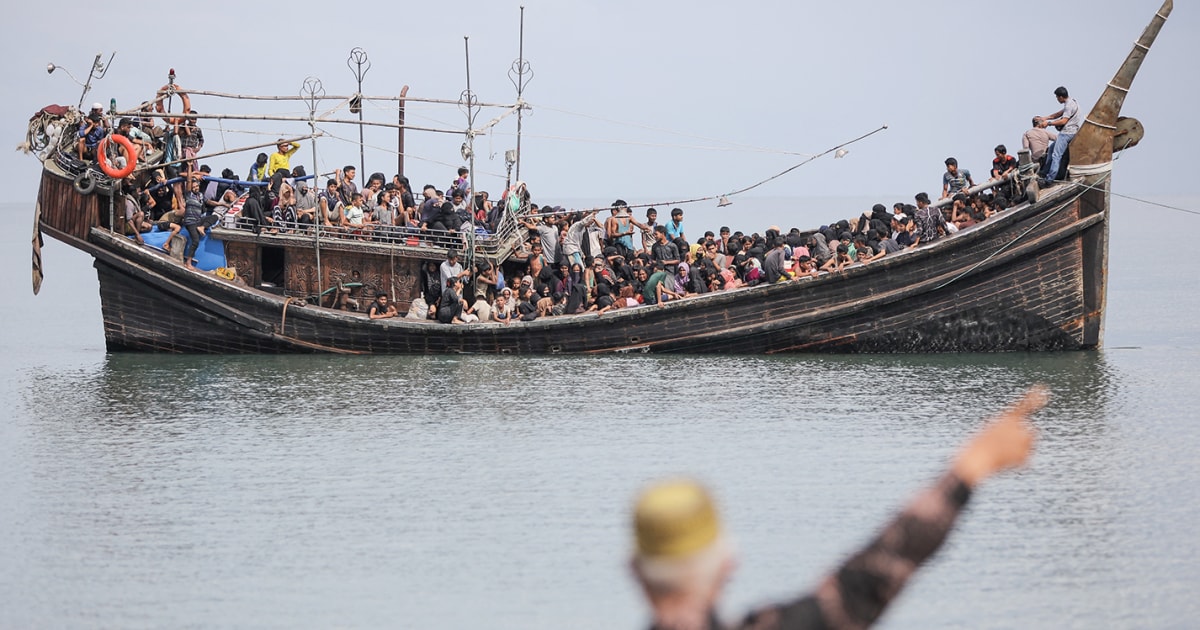
More than 500 people, most of them members of Myanmar's persecuted Rohingya minority, are feared dead after two boats carrying refugees are believed to have capsized in the Bay of Bengal, United Nations agencies said Thursday, in what could rank among the deadliest single episodes of the long-running refugee crisis.
Both vessels set out from Myanmar's western Rakhine state in late June, according to the U.N. Contact was lost with one boat carrying about 250 people shortly after it departed. A second boat, with roughly 280 people aboard, is believed to have sunk off Myanmar's Ayeyarwady coast on July 8. Officials cautioned that they were still working to confirm the exact death toll and the circumstances of each sinking, but said the number of people unaccounted for pointed to a catastrophe on a large scale.
The passengers were overwhelmingly ethnic Rohingya, a Muslim minority that has faced decades of persecution in Buddhist-majority Myanmar. A military crackdown in 2017 drove more than 700,000 Rohingya into neighboring Bangladesh, where many still live in sprawling refugee camps. Each year, thousands attempt perilous sea voyages in search of safety and work in Malaysia, Indonesia and beyond, often paying smugglers for passage on aging, overloaded boats.
U.N. officials noted that the two vessels had set sail outside the regular sailing season, when monsoon weather makes the waters far more hazardous. Aid groups have repeatedly warned that worsening conditions inside Myanmar and shrinking support in the camps are pushing more people to take deadly risks at sea, even during the most dangerous months.
The scale of the loss would extend an already grim trend. In 2025, nearly 900 Rohingya were reported dead or missing while trying to flee by boat, making it the deadliest year on record for the community's sea crossings and one of the highest mortality rates of any migration route in the world. More than 6,500 people attempted the journey that year, according to U.N. figures.
Humanitarian organizations renewed calls Thursday for governments in the region to strengthen search-and-rescue operations and to open safe, legal pathways for refugees, warning that without such measures the death toll would continue to climb. "These are people who felt they had no choice but to risk everything," one aid worker said, describing families who boarded the boats knowing the dangers. Investigators were still trying to determine whether any survivors had been rescued or had reached shore.