Internal Pentagon Estimate Puts Iran War Cost Near $100 Billion — Nearly Triple the Public Figure
Defense Department officials privately peg the price of the U.S.-Israeli campaign against Iran at $80 billion to $100 billion once destroyed aircraft, battered bases and spent munitions are counted — far above the roughly $30 billion the administration has cited publicly.
The true cost of the U.S.-Israeli war against Iran is far higher than the Trump administration has publicly acknowledged, with the Defense Department's own internal accounting putting the price tag at $80 billion to $100 billion, according to three U.S. officials and three other people familiar with the estimates.
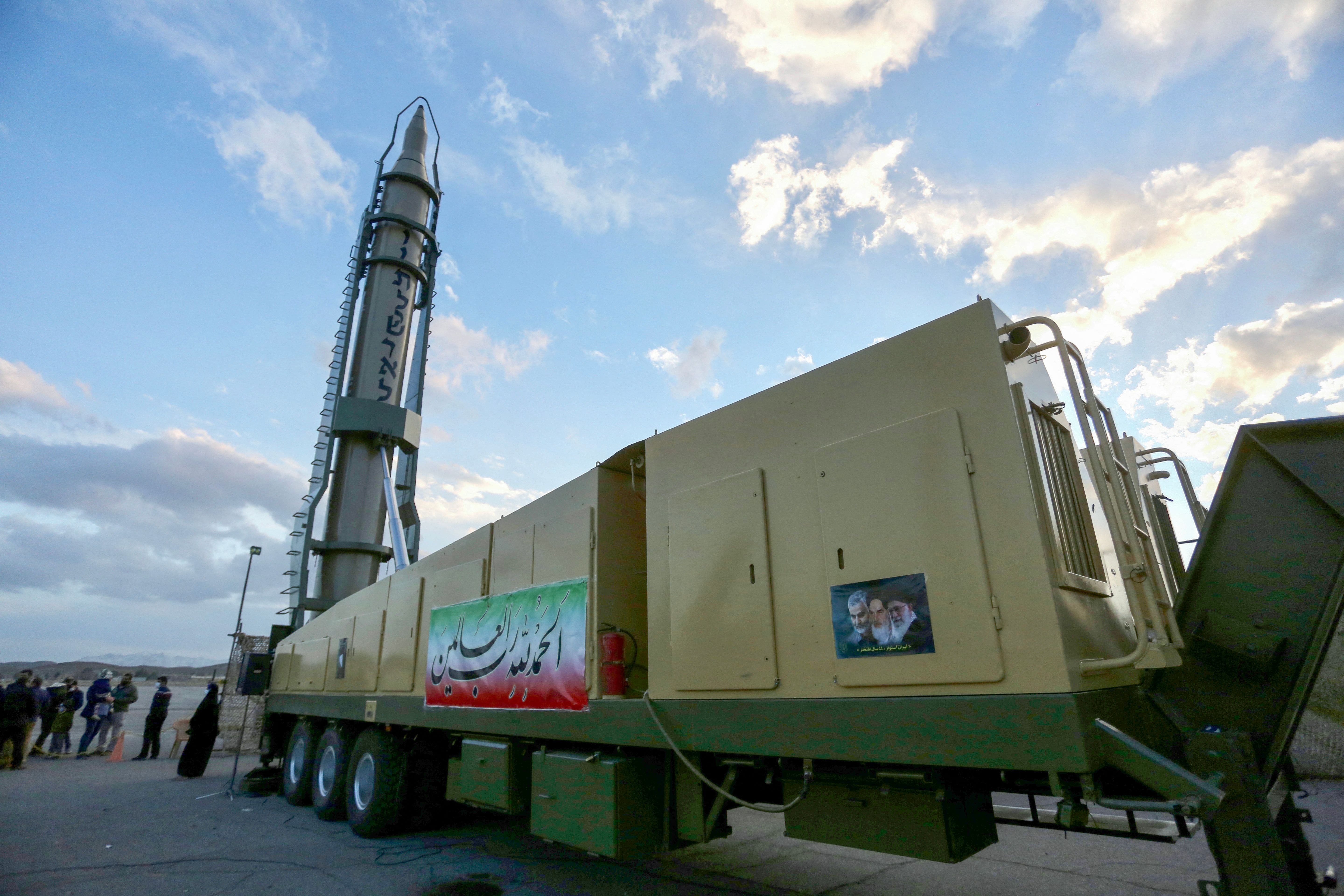
That figure is more than triple the roughly $30 billion the Pentagon has cited in public, a discrepancy that has stunned budget analysts and set off a fresh fight in Congress over how much the campaign is actually draining from American coffers. The higher internal number factors in the cost of repairing U.S. bases damaged by Iranian missile and drone barrages, replacing aircraft that were destroyed or badly damaged, and fully replenishing the stockpiles of advanced munitions expended over weeks of strikes.
The public $30 billion estimate reflects mostly the immediate, direct outlays of running the operation — fuel, flight hours, the interceptors fired to knock down incoming Iranian weapons. But officials say that number leaves out the enormous back-end bill of rebuilding and rearming, expenses that will stretch across future budget years as the military restocks interceptors and precision weapons that take months or longer to manufacture.
One analyst, briefed on the gap between the public and internal figures, described the administration's $30 billion characterization as 'parody-level,' arguing that no serious cost accounting of a sustained air campaign could land that low once losses and replenishment are included. Lawmakers on both sides of the aisle have seized on the disparity, with several demanding the Pentagon turn over its internal models and explain why the public estimate omits the costliest components.
The revelation lands at a politically fraught moment. President Donald Trump has thrown the war's endgame into question even as costs mount, and the Senate has already balked at portions of the administration's war-related funding requests. Some members have moved to condition further money on congressional authorization for the conflict, a demand the White House has resisted.
The mounting expense also threatens to collide with the administration's domestic priorities, as every dollar spent rebuilding bases in the Middle East and refilling weapons magazines is a dollar not available elsewhere in a defense budget already stretched by competing demands. For now, the Pentagon has not publicly revised its estimate, leaving the gap between what officials say inside the building and what the administration says outside it as one of the sharpest points of contention in Washington's fight over the war.