A Year After Trump's Gaza Ceasefire, Israel Controls 70% of the Strip and 1,400 Palestinians Are Dead
The truce that took effect Oct. 10, 2025 has brought more food but no international peacekeeping force and no reconstruction, according to NPR's reporting from Gaza.
One year after a ceasefire took effect in Gaza, the promises that came with it remain largely unmet. President Donald Trump pledged an end to Israel's war after he pushed Israel to agree to a truce and Hamas to release the remaining Israeli hostages. The deal came into effect on Oct. 10, 2025. Twelve months later, there is still no international peacekeeping force in Gaza, as had been promised, and no reconstruction, according to NPR's reporting from the territory.
Instead, Israel's military has expanded its control to roughly 70% of Gaza, squeezing more than 2 million Palestinians toward the edge of the sea. Israel has continued to target Hamas throughout the ceasefire. Those attacks have killed more than 1,400 Palestinians in the past year, nearly 500 of them women and children, according to Gaza's Health Ministry. The bombings have not stopped, but they have slowed compared with the war itself.
That slowdown has given people in Gaza room to recover from the worst of the hunger crisis. U.N.-backed experts declared a famine in the north of the territory last year. Since the truce, more food has entered Gaza, reversing starvation across the strip, NPR reported. Food entering the strip is not the same as rebuilding, which has not begun.
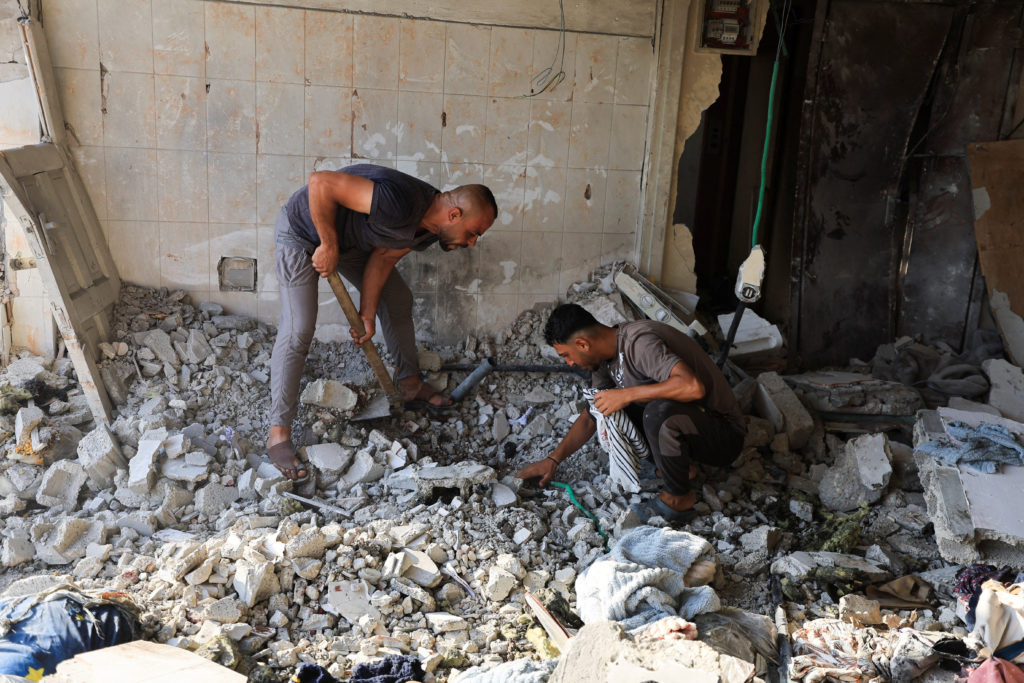
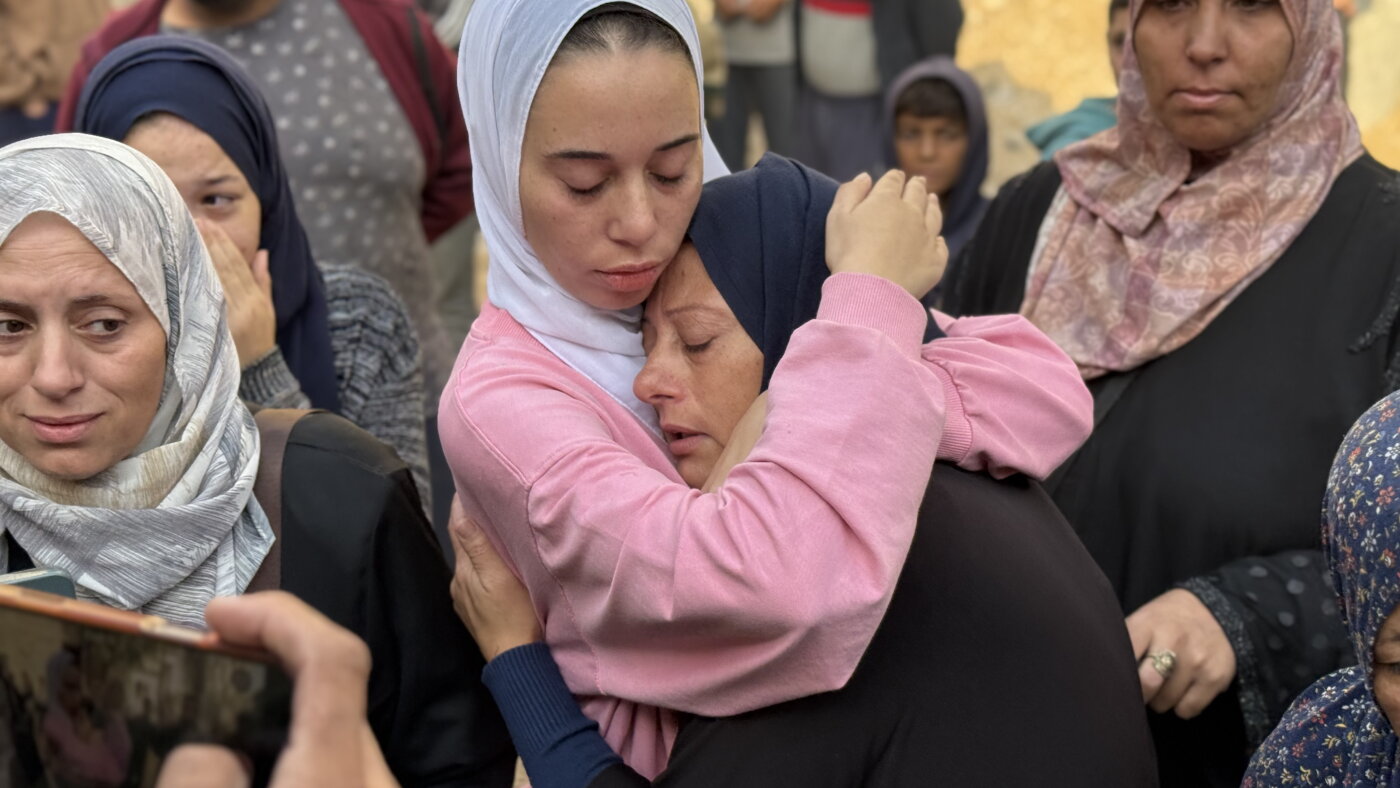
The account comes from NPR's reporter in Gaza, Anas Baba, who has documented the past 12 months of the ceasefire in photographs showing both moments of respite and continuing grief. NPR published a selection of his images on the anniversary. On Oct. 10, Baba won the 2026 Radio Prize at the Bayeux Calvados-Normandy Awards for his piece "Recovering the Dead in Gaza," which followed families searching for relatives buried under collapsed buildings.
The gap between the ceasefire's terms and conditions on the ground shows in the numbers. A truce meant to halt the killing has instead settled into a lower-intensity conflict, in which strikes continue to claim lives each month and a majority of the territory is held by Israeli forces. More than two million residents are confined to the remaining coastal area.
Earlier this autumn the situation was visible in other ways. Israeli strikes have continued against Hamas figures, and Gaza City has seen buildings that were already gutted by earlier bombardment collapse on families sheltering inside. The anniversary also arrives as the wider region is consumed by other crises, including the Iran war and the escalating fighting between Saudi Arabia and the Houthis, which have pulled diplomatic attention away from Gaza's unresolved questions of security, governance and rebuilding.
For Gaza's residents, the first year of the ceasefire has meant less starvation and fewer bombs, but not the end of the war that Trump promised. The peacekeepers who were meant to separate the sides have not arrived, and the rebuilding that was supposed to follow has not begun.