Hamas Picks Chief Ceasefire Negotiator Khalil al-Hayya as Its New Leader
Al-Hayya, who survived an Israeli strike in Qatar that killed his son, defeated the veteran Khaled Meshaal in an internal run-off to succeed the slain Yahya Sinwar.

Hamas has elected Khalil al-Hayya, the movement's chief negotiator in ceasefire talks with Israel, as its new political leader, the group announced on Monday, July 20. Al-Hayya prevailed in an internal run-off ballot against Khaled Meshaal, the veteran former political chief who had sought to reclaim the top post. He succeeds Yahya Sinwar, who was killed by Israeli forces in October 2024.
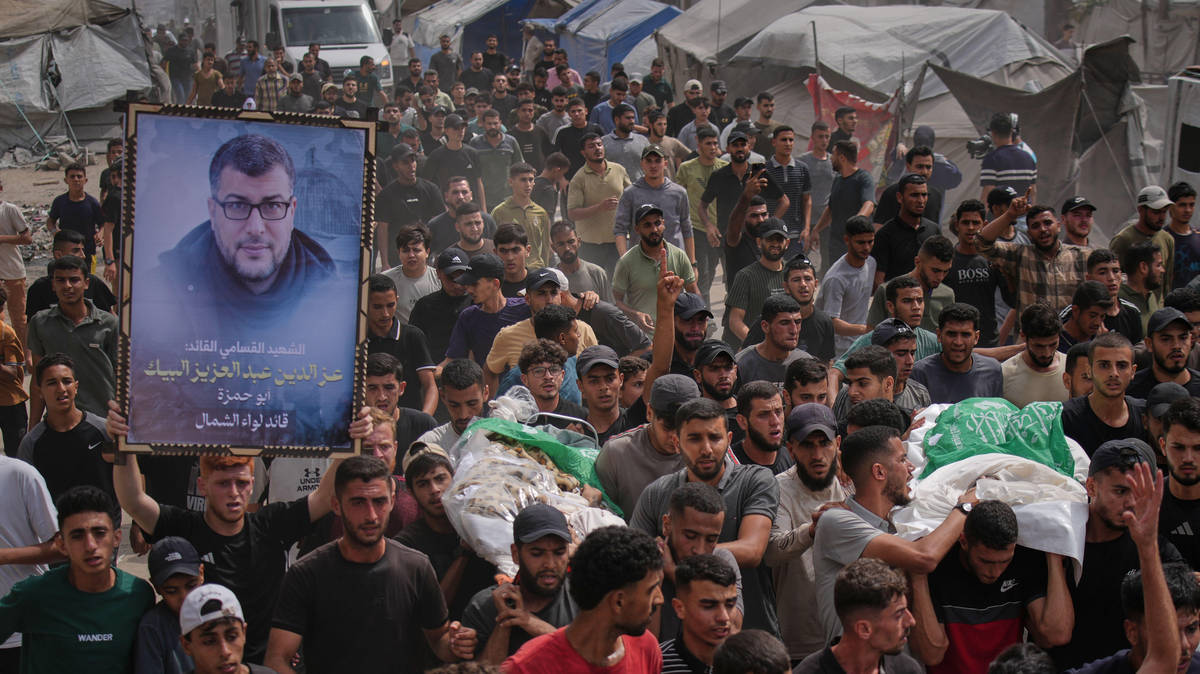
Al-Hayya, born in Gaza in 1960, joined Hamas in 1987 and won a seat in the Palestinian Authority's parliament in the 2006 election. After a series of Israeli strikes decimated the group's senior ranks — killing military commander Mohammed Deif and political chief Ismail Haniyeh in 2024 — he rose to serve as deputy chairman and a member of a five-person leadership council that ran the organization collectively in late 2024. His elevation formalizes a leadership that had operated in the shadows for more than a year.
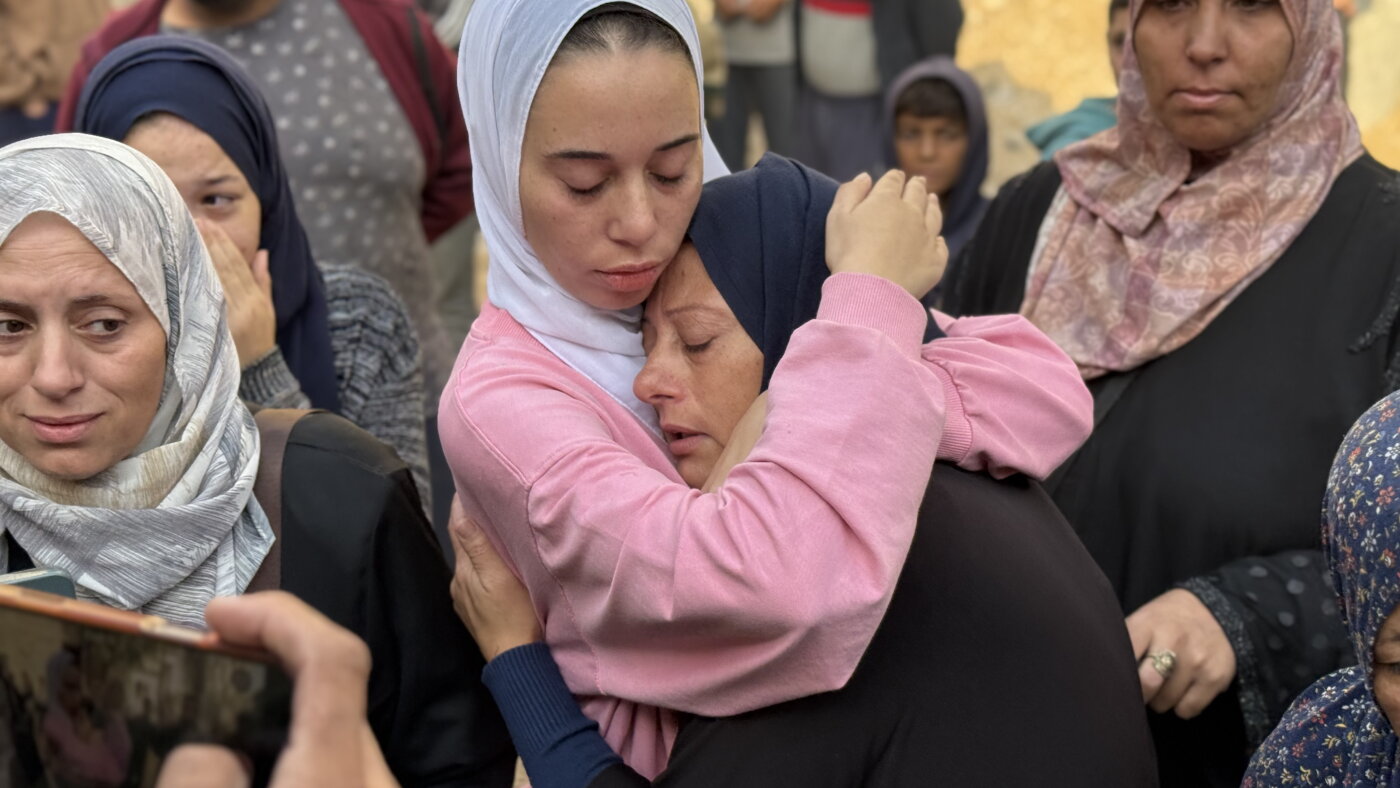
Much of that time he spent abroad, based primarily in Qatar, where he became the public face of Hamas's diplomacy. He led the group's negotiating team in the October 2025 ceasefire arrangement and coordinated closely with regional mediators. His diplomatic profile did not spare him from the war: his son was killed in a September 2025 Israeli strike in Doha that targeted Hamas figures on Qatari soil, a rare attack that strained relations between Israel and the Gulf state.
Israel has not formally responded to the election, but al-Hayya is widely described in the Israeli security establishment as a hawk, a characterization that could complicate any future talks. As chief negotiator he was seen by mediators as pragmatic enough to strike deals, yet unyielding on core Hamas demands, and his dual reputation now sits at the center of the movement's decision-making.
The choice signals continuity rather than rupture for a battered organization. By handing the leadership to the man who has managed its external relationships and ceasefire diplomacy, Hamas appears to be betting on negotiation channels even as much of Gaza lies in ruins. The group has spent the past year operating through a collective leadership council after its most senior figures were killed in rapid succession, and elevating al-Hayya restores a single, recognizable head at the top for the first time since Sinwar's death.
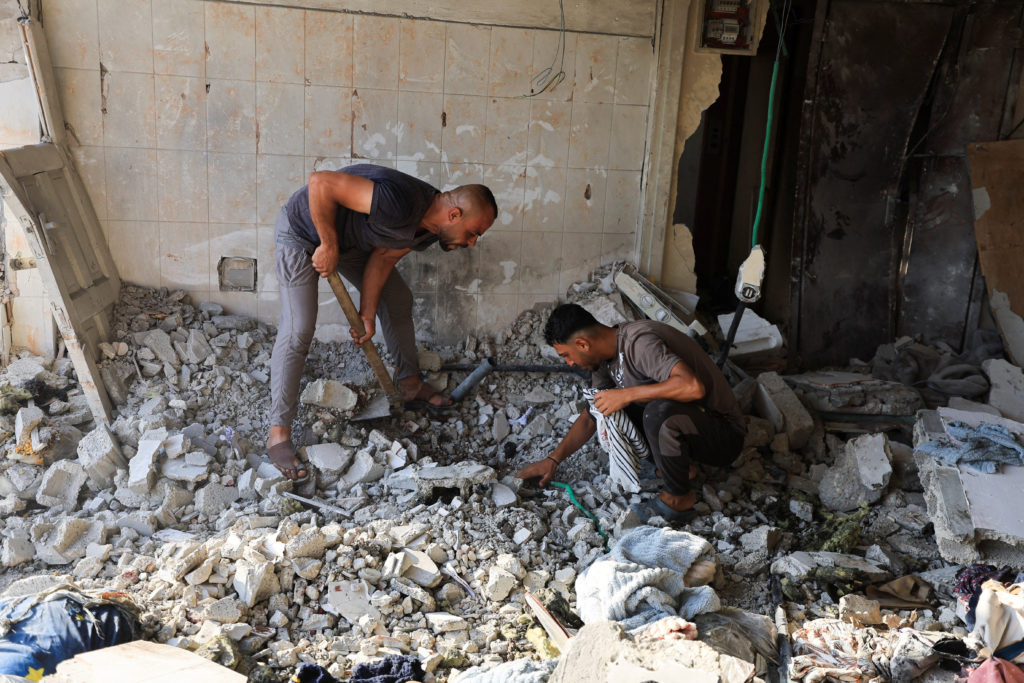
His agenda will be daunting. Gaza faces a reconstruction bill running into the tens of billions of dollars, a shattered civilian population and lingering questions about the fate of the territory's postwar governance. Whether al-Hayya can consolidate authority over the group's surviving military wing and its scattered exile leadership — while facing an Israeli government that views him as a legitimate target — will shape the next phase of a conflict that has reordered the Middle East.