Hamas Accepts Disarmament Framework 'In Principle' — But Gaza Ceasefire Remains Fragile
A plan by Turkish, Qatari, and Egyptian mediators calling for complete weapons decommissioning over eight months offers the most serious path yet to a lasting Gaza settlement, though Hamas insists on major amendments.

A formal disarmament proposal presented to Hamas by Turkish, Qatari, and Egyptian mediators represents the most serious attempt yet to move Gaza beyond the cycle of conflict that has devastated the territory for more than a year. Hamas said this week it had accepted the framework "in principle" but with significant reservations, and its official response to mediators is expected to include substantial amendments — leaving the proposal's fate deeply uncertain.
The plan calls for the complete decommissioning of all Hamas weapons over an eight-month period, encompassing rockets, mortars, explosive devices, assault rifles, and eventually personal firearms held by the group's fighters. It is built around the concept of "one authority, one law, one weapon" — the principle that Gaza must ultimately be governed by a single legitimate authority rather than an armed faction operating a parallel state. UN High Representative Nickolay Mladenov told the Security Council last week: "We now have a real opportunity to move from conflict to a structured path toward recovery and stability."
Hamas, for its part, is demanding ironclad guarantees that Israel will not resume military operations before agreeing to any disarmament timeline. The group's political leadership has historically resisted surrendering weapons, viewing its arsenal as the only leverage it possesses in negotiations and the only deterrent against further Israeli military action. Senior Hamas officials told Arab media that they regard the disarmament proposal as maximalist and expect prolonged negotiations over its terms before any agreement could be signed.
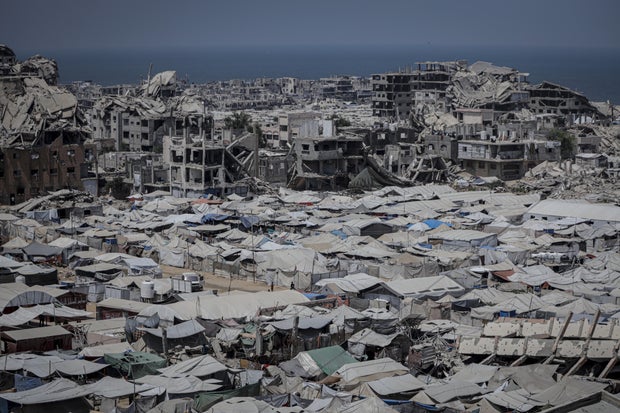
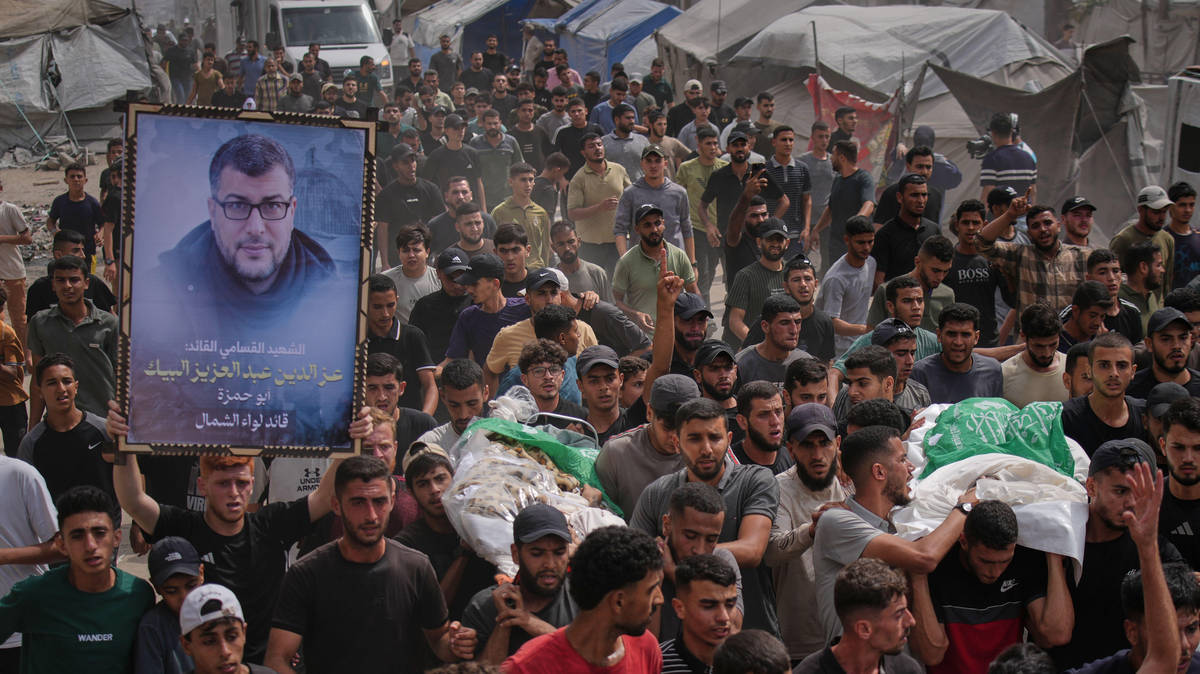
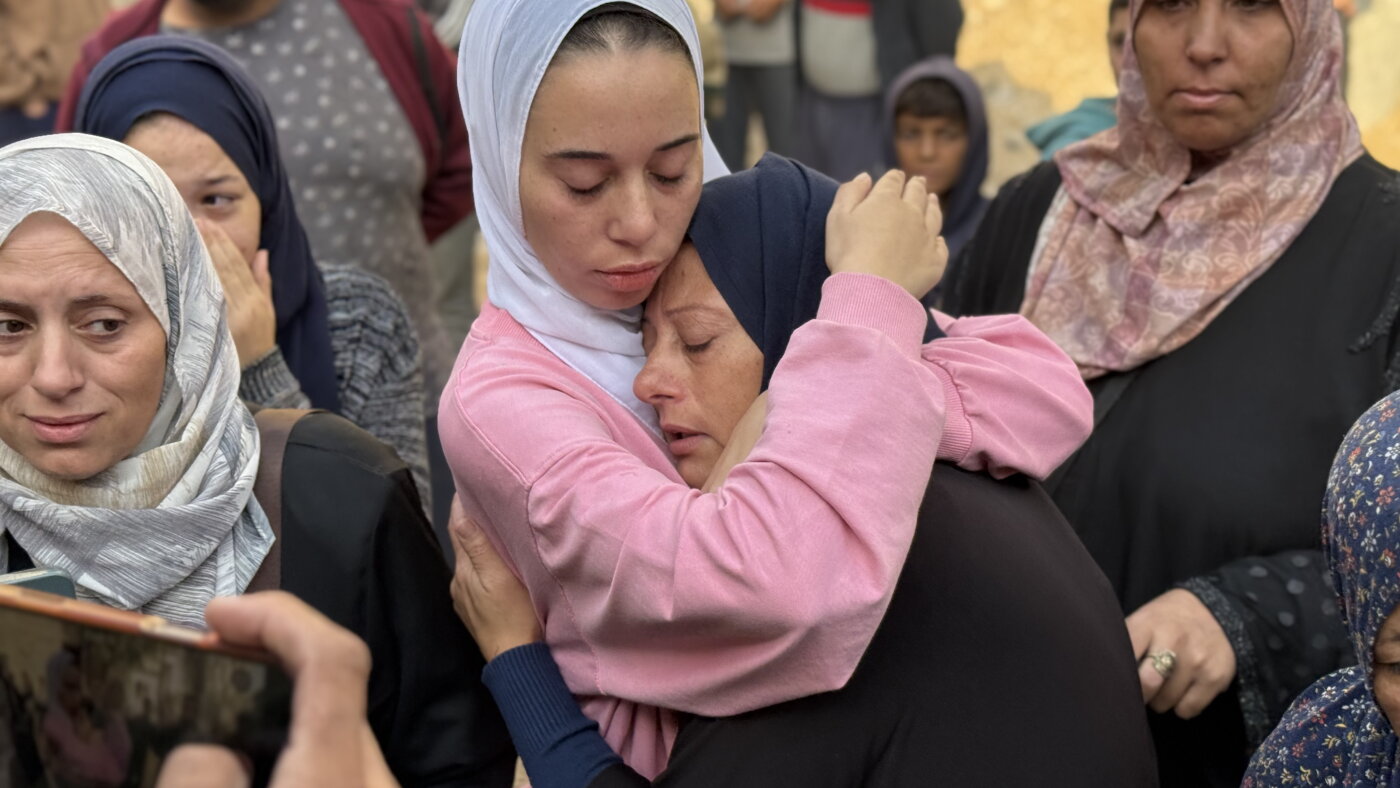
The ceasefire that largely halted the fighting in October 2025 has held in form but not entirely in substance. Israeli forces control just over half of Gaza's territory, and low-level clashes along contested lines have continued. A journalist, Amal Al-Shamali, was killed in an Israeli airstrike on March 9, despite the nominal ceasefire. Roughly 1.4 million people remain displaced across approximately 1,200 sites within Gaza, surviving in tent settlements and damaged structures with limited access to clean water, medical care, and food.
Israel's negotiating posture has also complicated the talks. Prime Minister Benjamin Netanyahu said publicly that "Israel will finish the job" if Hamas rejects any proposed settlement, a statement that Hamas officials said undermined the credibility of the ceasefire framework. Israeli military planners have not abandoned contingency plans for a return to active operations should negotiations collapse, according to Israeli media reports.
The involvement of Iran's allied proxy groups has added another layer of complexity. Houthi forces in Yemen fired ballistic missiles toward Israel last week in what analysts described as a show of solidarity with Hamas, complicating American diplomatic efforts to contain the wider regional conflict. U.S. special envoy Steve Witkoff has shuttled between capitals attempting to maintain the ceasefire framework while Washington simultaneously conducts military operations against Iran, creating a diplomatic contradiction that observers say has eroded Palestinian confidence in American good faith.
For the people of Gaza, the disarmament talks represent a distant abstraction compared with the immediate reality of displacement and deprivation. Aid organizations operating in the territory say that malnutrition rates, particularly among children under five, remain at crisis levels despite some improvement in humanitarian access since the ceasefire began. Reconstruction has not yet started in most areas, as international donors await a credible political framework before committing the billions of dollars needed to rebuild destroyed neighborhoods, hospitals, and schools.