Israeli Strike on Gaza City Kills Azzam al-Hayya, Fourth Son of Hamas's Lead Ceasefire Negotiator
The 32-year-old died of injuries from a Wednesday-night airstrike on the Daraj neighborhood, hardening Khalil al-Hayya's position just as U.S. envoys press for a Gaza phase-two deal.

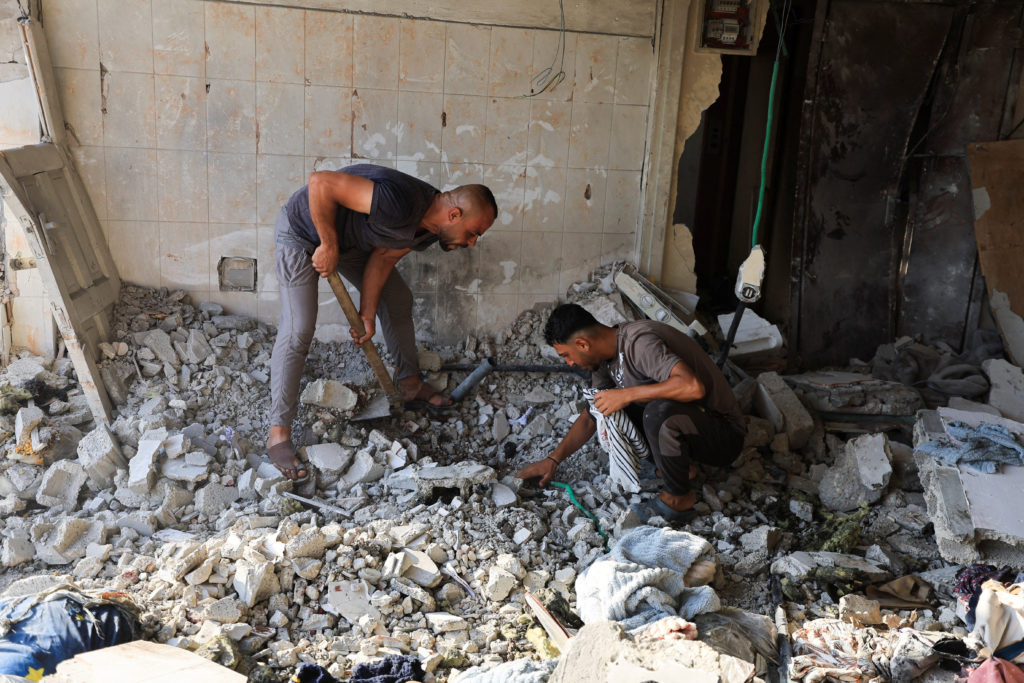
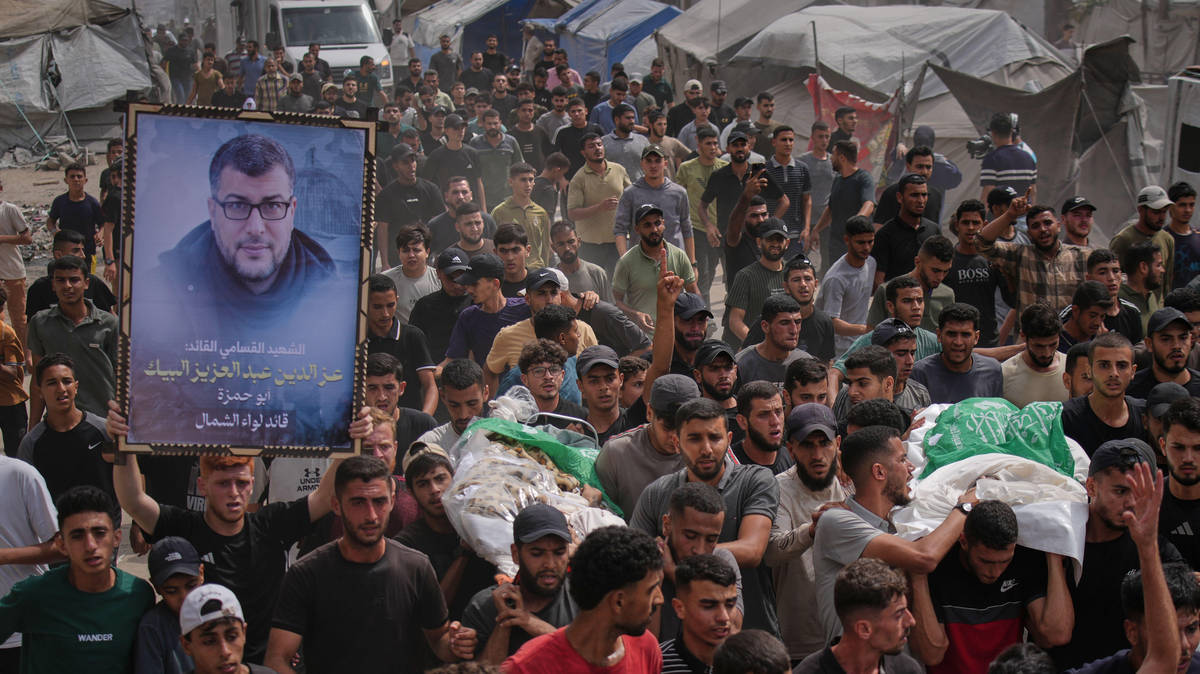
GAZA CITY — Azzam Khalil al-Hayya, the 32-year-old son of Hamas's chief ceasefire negotiator, died Thursday of injuries sustained in an Israeli airstrike on the Daraj neighborhood of Gaza City the previous night, Hamas confirmed in a statement, escalating the personal stakes for a senior leader at the center of the U.S.-mediated talks now in their second year. Three other people, identified by local health officials as members of Hamas's internal security force, were killed in the same strike.
Azzam was the fourth son Khalil al-Hayya — a member of Hamas's political bureau and the lead Palestinian negotiator since the death of Yahya Sinwar — has lost to Israeli operations. Two were killed in earlier rounds of fighting, in 2008 and 2014. A third son, Hamza, was killed last September in an Israeli strike on a Hamas leadership meeting in Doha, Qatar — an attack that drew sharp condemnation from the Qatari government and briefly destabilized U.S.-led mediation efforts. Khalil al-Hayya himself survived that strike. Al-Hayya has seven children in total.
The Israel Defense Forces, in a brief written statement, confirmed it had "struck a Hamas terror infrastructure" in northern Gaza on Wednesday night but did not name Azzam al-Hayya as a target. Israeli media, citing defense officials, reported that the strike was directed at a meeting of Hamas internal-security operatives believed to be coordinating the redistribution of food aid arriving through the Rafah crossing. Hamas spokesman Taher al-Nono, in a statement carried by the group's al-Aqsa television channel, called the strike "a peak of moral and ethical degradation" and accused Israel of trying to derail negotiations through targeted killings.
The strike comes at a particularly delicate moment in the Gaza talks. The body of Ran Gvili, the last of the 251 Israelis seized in the Oct. 7, 2023, Hamas-led attack, was returned to Israel in late January, formally closing the hostage chapter of the war. Negotiators have since been struggling to lock in the second phase of the Trump administration's 21-point plan, which calls for Hamas to disarm, the deployment of an international stabilization force in Gaza, and the formation of a technocratic Palestinian government. Hamas has rejected disarmament as a precondition. Israel, in turn, has refused to commit to a full withdrawal until disarmament is complete.
U.S. envoys Steve Witkoff and Jared Kushner were in Cairo this week pressing Egyptian intelligence chief Abbas Kamel to move the talks forward. "This will not deter the negotiations, nor will it deter Hamas," Hamas senior official Mahmoud Mardawi said Friday. But two Egyptian officials briefed on the talks, who spoke on condition of anonymity, said the strike has hardened al-Hayya's position and that Hamas will likely demand new security guarantees before resuming face-to-face sessions.
The broader violence has not paused. The Hamas-run Gaza Health Ministry said Thursday that 18 people were killed in Israeli strikes across the territory in the previous 24 hours, bringing the total death toll since the war began to a number it now estimates at more than 64,000 — a figure that does not distinguish between combatants and civilians and that has been disputed by Israel. The Israeli military said separately that it had killed three Hezbollah operatives in a strike on the southern suburbs of Beirut on Tuesday, the second such strike in a week, as the fragile November 2024 cease-fire on the northern front continues to fray.