Justice Department Opens Antitrust Probe of ABC, CBS, CNN, NBC and Fox Over White House Pool Boycott
The Sherman Act investigation targets the five networks for declining to fill in for CNN after the White House shut it out of the press pool. A federal judge says he will rule Tuesday on whether to restore the passes of CNN, MS NOW and Politico.
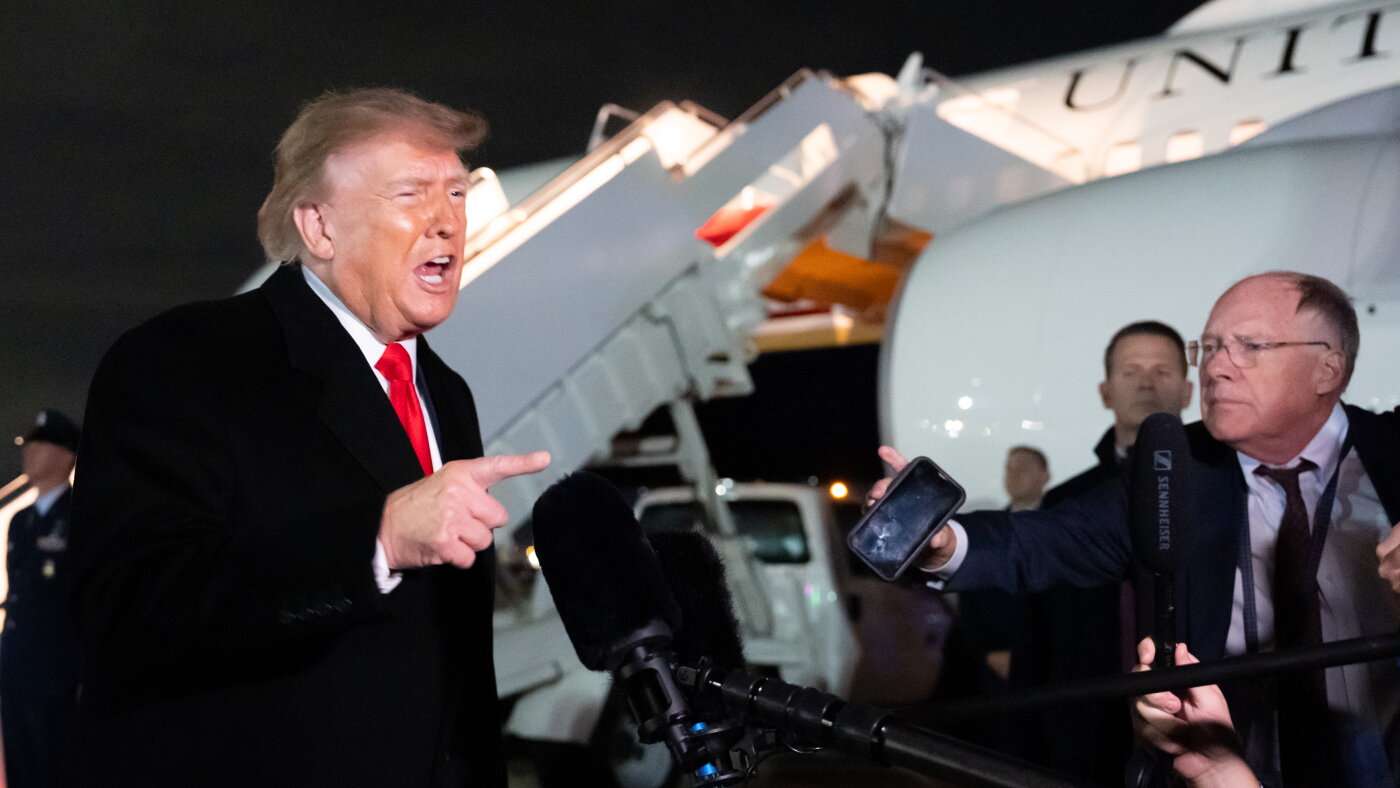
The Justice Department has opened a formal antitrust investigation into five of the country's largest television news organizations, ABC, CBS, CNN, NBC and Fox News, over how they responded to the White House's decision to shut CNN out of the network press pool, according to a statement from the department and reporting first published by The New York Times.
"Members of the television press pool have proudly boycotted covering White House events. Group boycotts among commercial competitors can violate the Sherman Act," the Justice Department said in a statement Saturday. "The Antitrust Division is investigating to determine whether these news organizations have violated the antitrust laws." None of the five networks commented. Four people with direct knowledge of the inquiry confirmed its outlines to NPR on condition of anonymity because they were not authorized to speak publicly.
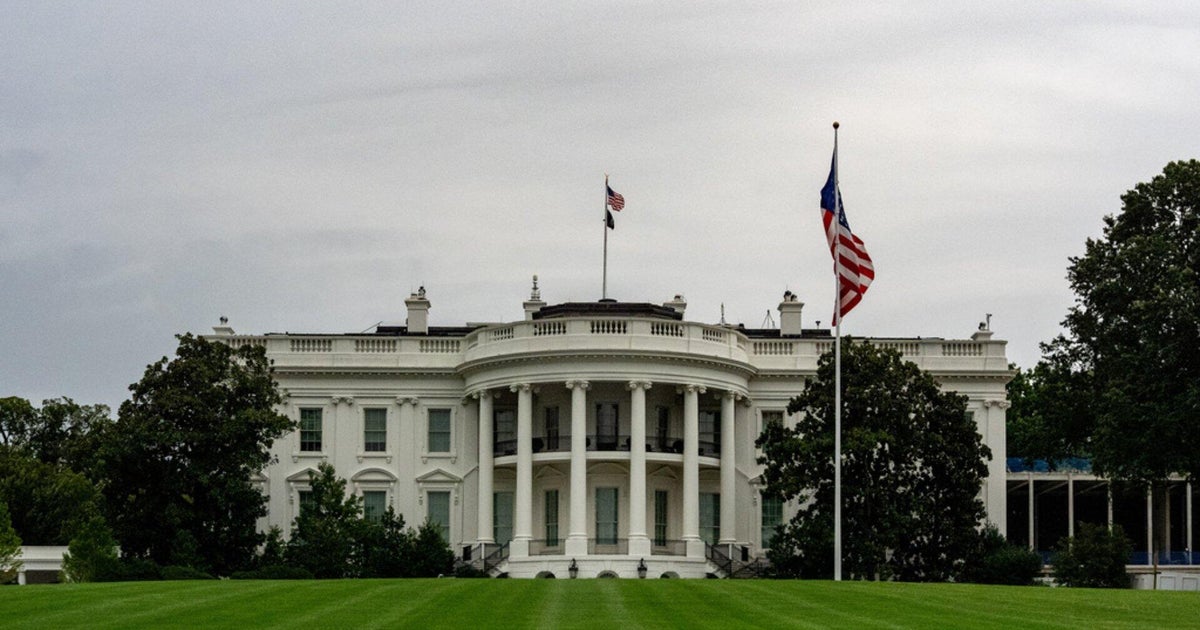
The investigation grows out of a court fight over who gets access to the White House. Last month, President Trump had aides bar CNN, MS NOW and Politico after blasting them for what he characterized as unfairly negative coverage. The administration stripped White House press passes from more than 70 journalists. The three outlets sued in federal court to have their access restored, arguing the move violates the First Amendment and denies them due process under the Fifth Amendment. The Justice Department, defending the White House, has cited national security grounds for the decision.
The judge overseeing the case, Timothy Kelly, issued a temporary order requiring the passes to be restored and has said he will issue a more lasting decision by Tuesday evening. NPR media correspondent David Folkenflik said the judge appeared inclined to accept the argument that the White House did not give the outlets notice or a chance to appeal, and noted that the national security rationale was raised only after the fact.
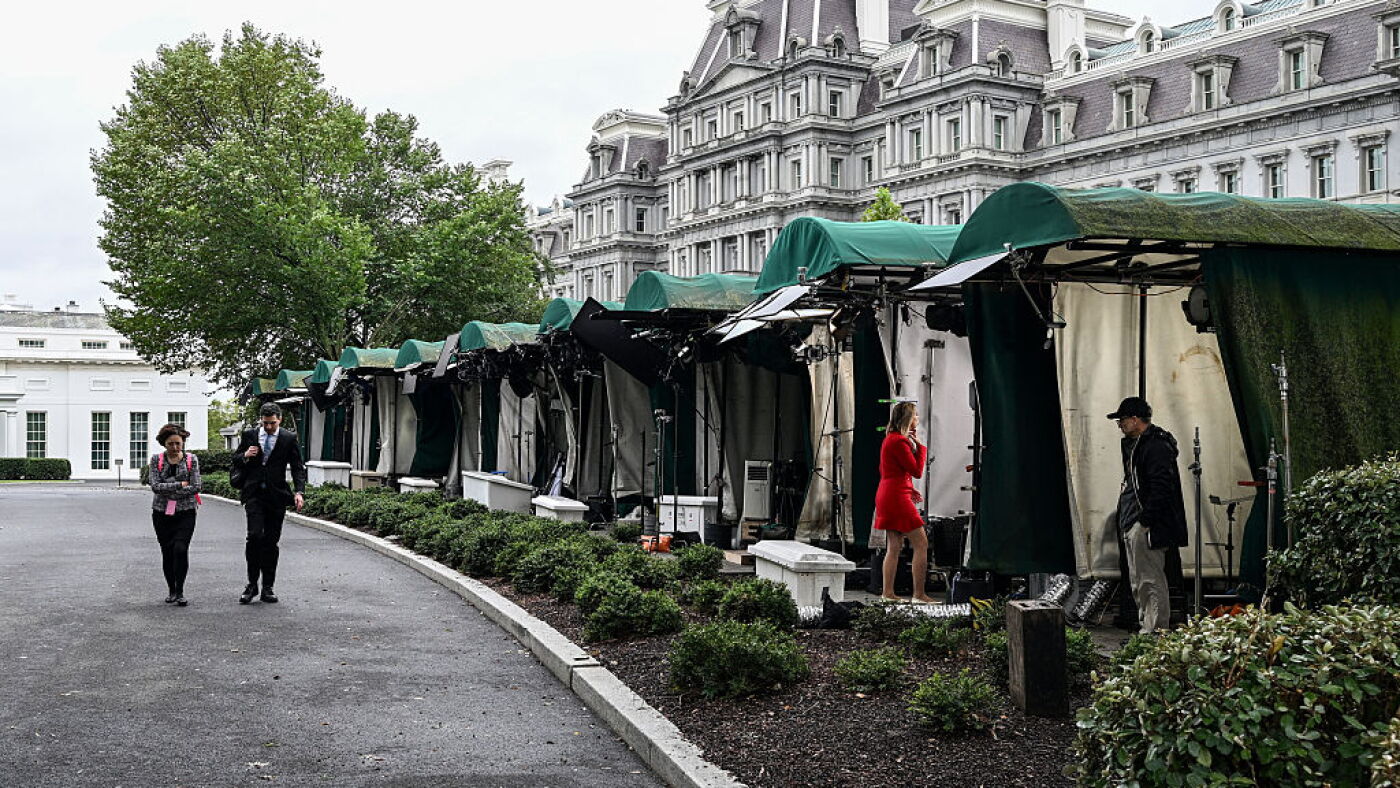
The White House then took a further step. It blocked CNN from its scheduled shifts in the White House television press pool, the rotation through which ABC, CBS, CNN, NBC and Fox News share the cost and logistics of covering the president in tight spaces such as Air Force One and the Oval Office. The other four networks agreed not to fill CNN's slots on the days it was shut out, though they have made those decisions day by day. As a result, the networks did not cover an event Trump held with Chinese President Xi Jinping. The Justice Department says it is reviewing whether that coordination amounts to anticompetitive behavior.
Press freedom groups reacted angrily. "Summoning antitrust authority, on top of the retaliatory actions the White House has already taken to bar certain outlets, is another and even more brazen attempt to intimidate journalists," said Bruce Brown, president of the Reporters Committee for Freedom of the Press. Cornell Law School constitutional law professor Michael Dorfman told NPR that political motivation by the president or the Justice Department would not shield the networks from legal consequences if they had actually broken the law, but said their conduct would be judged on whether it was reasonable, and that he considered it so.
Dorfman also pointed to what he called an oddity in the government's theory. "If the networks agreeing not to cover the White House is illegal, why isn't the press pool itself illegal?" he wrote in an email. The pool's cooperation is generally justified by the limited space at presidential events, he said, but if that justifies cooperation on coverage, he asked, why wouldn't protecting a free press justify cooperation on a refusal to cover?
Brown's group and others argue that news outlets standing up for their constitutional rights has nothing to do with antitrust law. The networks' silence is likely to feature in CNN's filings before Kelly rules, and the outcome of Tuesday's decision will show whether the courts see the pool dispute as a free-press case or as a matter for the Antitrust Division.