Gas Is $4.37 and Groceries Are Up 4% Since Trump Promised Cheaper Everything, Weeks Before Midterms
Trump campaigned on sub-$2 gasoline and 2% mortgages. A new CBS News analysis finds many essentials costing more, and economists say tariffs and the Iran war are part of the reason.
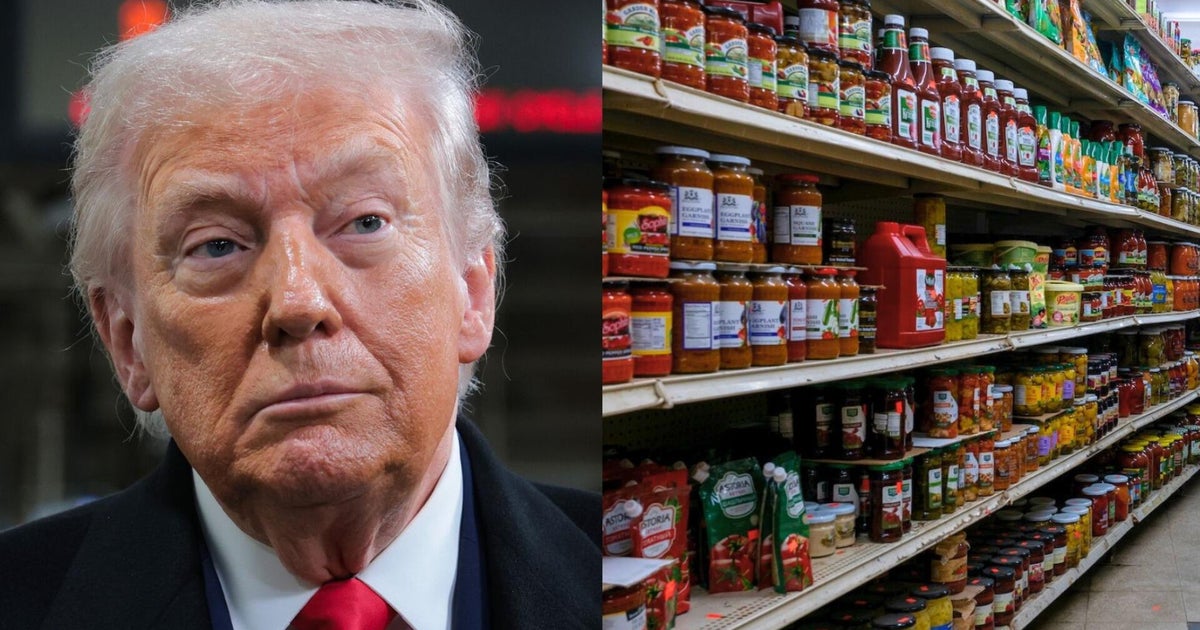
Less than a month before the midterm elections, the distance between President Trump's 2024 promises on prices and what Americans are paying is feeding voter frustration, according to a new CBS News analysis. Trump campaigned on pushing gasoline below $2 a gallon and delivering 2% mortgage rates. Two years later, many necessities cost noticeably more.
Although economic growth is solid and unemployment remains low, nine in 10 Americans say prices are the most important factor shaping their view of the economy, according to a recent CBS News poll. The pressure predates Trump's return to office. Consumers are still absorbing five years of post-pandemic inflation, economists note. But Trump's campaign promises raised hopes that prices would fall.
Some of his policies have made inflation worse. Research from the Federal Reserve Bank of New York found Trump's tariffs added about 2.9 percentage points to inflation through February, and that without them the price of goods would have declined. Trump's decision to attack Iran in February has also led to a drawn-out conflict that disrupted oil shipments and sharply raised the price of oil, gas and diesel. "It's undeniable that several of these supply shocks that the U.S. economy has been navigating through come from policy decisions made by the administration — namely, decisions to intervene in Iran and decisions to impose tariffs," Greg Daco, chief economist at EY-Parthenon, told CBS News.
Economists polled by FactSet expect September inflation to have risen at an annual rate of 3.6%, up from 3.4% in August and well above the Federal Reserve's 2% target. Ryan Bourne of the libertarian Cato Institute said consumers "judge the prices they're paying against the prices they paid four or five years ago, and are still shocked by it." As a result, he said, "they think the economy's doing very, very badly."
The numbers behind the pocketbook squeeze are stark. The cost of food prepared at home has climbed 4% since November 2024, when Trump said a vote for him would mean cheaper groceries, on top of a 23% jump during the prior four years. As of Oct. 9, the national average price for a gallon of gasoline was $4.37, up 47% from $2.98 on Feb. 27, the day before the Iran war began, according to CBS News data. AAA says pump prices are at a record high for October. Diesel, which moves nearly every consumer good, hit a record $6.53 a gallon on Sept. 22 and now hovers around $6.28.
The White House rejects the criticism. Spokeswoman Taylor Rogers told CBS News that Trump's agenda "stopped Biden's inflation crisis" while creating jobs and growth, and that the administration's policies "will continue to deliver economic wins over the next two years." She pointed to the largest working-class tax cuts in history, lower prescription drug costs, more than a million private-sector jobs added, nearly 20 trade deals and record highs for 401(k)s.
The political stakes are clear. Trump has tried to put the blame for record diesel prices on Ukraine rather than the Iran war, and on Friday announced a deal to buy Russian diesel to ease costs before Election Day. Whether voters accept that argument will help decide which party controls Congress in January.