Oil Tops $100 and U.S. Gas Nears $5 a Gallon as Iran War Fuel Crisis Squeezes the Global Economy
Brent crude has surged roughly 50 percent since the war began, war-risk insurance has quintupled and Goldman Sachs estimates 14.5 million barrels a day have vanished from global production as the Strait of Hormuz stays shut.

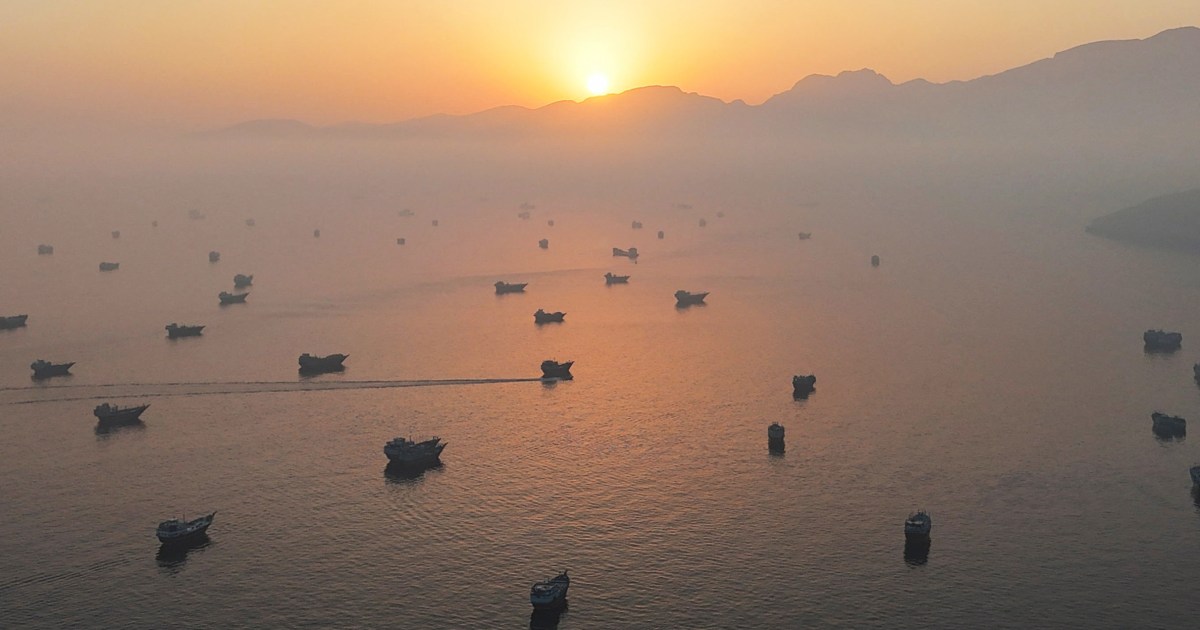
The war between Iran and the U.S.-Israel coalition has detonated a global fuel crisis, sending oil prices to levels not seen in years and threatening to tip vulnerable economies toward stagflation. With the Strait of Hormuz — the chokepoint for roughly a fifth of the world's traded oil — effectively closed, benchmark Brent crude has climbed about 50 percent since the conflict began and has not dropped below $100 a barrel for nearly two weeks.
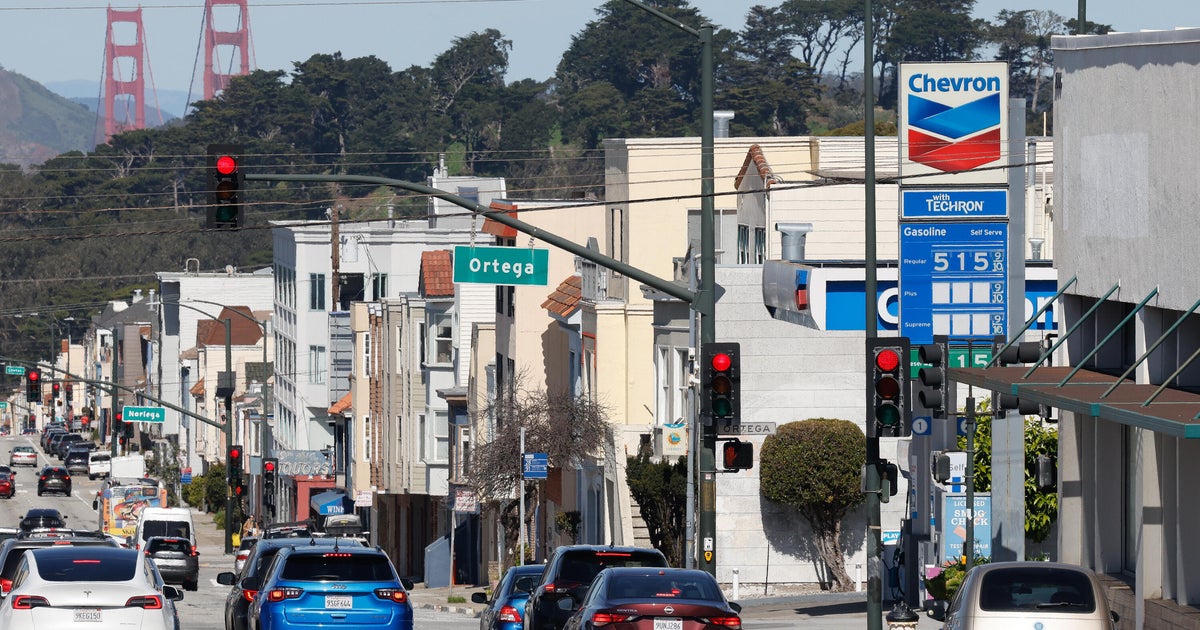
The pain has landed squarely on American drivers. Gas prices in the United States have risen $1.16 a gallon since the start of the war, and analysts have warned that the national average could reach $5.00 a gallon if the strait is not reopened. Shipping and logistics giants including the U.S. Postal Service, Amazon and FedEx have imposed fuel surcharges to offset soaring transportation costs, passing the squeeze on to consumers and businesses alike.
The disruption to supply has been staggering. Goldman Sachs estimates that the closure of the waterway, combined with attacks on energy infrastructure across the region, has reduced global daily production by roughly 14.5 million barrels. War-risk insurance premiums for vessels transiting the Gulf have surged to four or five times their prewar levels, adding another layer of cost to every cargo that still attempts the passage.
Economists warn that the shock is rippling far beyond the pump. The International Monetary Fund and World Bank have flagged the risk that sustained high energy prices could add close to a percentage point to global inflation, eroding the hard-won progress central banks made bringing prices under control. The specter of stagflation — stagnant growth paired with persistent inflation — has returned to forecasts for the first time in years, with developing economies that import most of their fuel especially exposed.
Governments have scrambled to respond, releasing strategic reserves, courting alternative suppliers and pressing producers outside the Gulf to pump more. President Donald Trump has appealed to China, France and other powers to help keep the strait open, while threatening further strikes on Iranian energy targets. So far, those measures have failed to calm jittery markets, where traders remain fixated on the daily ebb and flow of the conflict.
For households from Ohio to Indonesia, the abstract geopolitics of the Gulf have translated into concrete hardship: higher bills, pricier groceries and shrinking paychecks. Until the guns fall silent and tankers resume their transits through Hormuz, the world economy will remain hostage to a war being fought thousands of miles from the gas stations and grocery aisles where its costs are being tallied.