Gas Hits $3.99 a Gallon as Iran War Reignites the Inflation Fight Americans Thought Was Over
Pump prices are up 34% since fighting began, and a Houthi threat to a second oil chokepoint has traders bracing for a fresh energy shock just as the Federal Reserve was closing in on its 2% target.

The war between the United States and Iran is landing squarely on American wallets, with the national average price of gasoline climbing to $3.99 a gallon—up roughly 34 percent since the conflict began in late February—and threatening to reignite an inflation fight that policymakers had believed was nearly won.
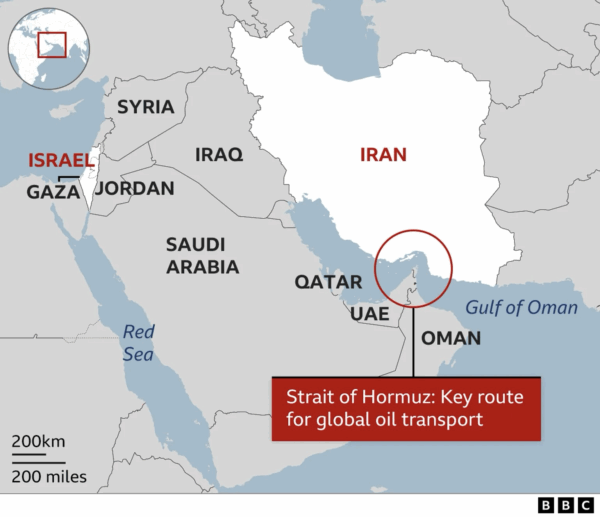
The latest jolt came Monday, when Yemen's Houthi militias declared a naval blockade of Saudi Arabia at the Bab el-Mandeb Strait. With the Strait of Hormuz already largely shut, energy analysts warned that closing a second major chokepoint could put as much as a quarter of the world's oil and gas flows at risk, sending crude futures higher and rattling equity markets that had recently touched record highs on optimism about artificial intelligence.
The timing is awkward for the Federal Reserve. June's consumer price index had cooled to 3.5 percent, below the 3.8 percent economists expected, and core CPI eased to 2.6 percent, with the biggest monthly decline in headline prices since 2020. But the Fed's preferred gauge, core PCE, ticked up to 3.4 percent in May, its highest reading since October 2023 and the 63rd straight month above the central bank's 2 percent goal.
Fed Chair Kevin Warsh, who took over the central bank this year, has scrapped the traditional forward guidance that once telegraphed the Fed's next move in favor of what he calls pure "data dependence." The Fed has held its benchmark rate in a range of 3.50 to 3.75 percent, but Cleveland Fed President Beth Hammack said business leaders are pressing the central bank to act on inflation, even as a war-driven energy spike makes the path forward murkier.
For households, the math is simple and painful: every sustained dollar increase at the pump drains spending power from the rest of the economy, from groceries to travel. Airlines have already trimmed Middle East routes, shipping firms are rerouting tankers around Africa, and economists warn that if the Houthi blockade holds and Gulf tensions grind on, the disinflation trend of the past two years could stall—or reverse—heading into the fall.
The political stakes are considerable. Voters routinely cite gas prices as a barometer of the broader economy, and a war-driven spike heading into the November midterms could scramble the messaging of both parties. The White House has emphasized that pump prices remain below crisis-era peaks and has pointed to strong job growth and cooling core inflation as evidence the economy is healthy. But energy analysts caution that the market's fate now hinges less on Washington than on the battlefield: as long as tankers face the risk of attack in two of the world's most important waterways, a durable return to cheaper fuel is unlikely, no matter what central bankers decide about interest rates.