Xi Jinping Pitches China as the World's AI Referee, Launching a 29-Nation Governance Body as U.S. Chip Curbs Bite
Opening Shanghai's World Artificial Intelligence Conference, Xi called for a “symphony of global cooperation” and unveiled a new China-headquartered organization to write the rules of AI — a direct challenge to Washington.
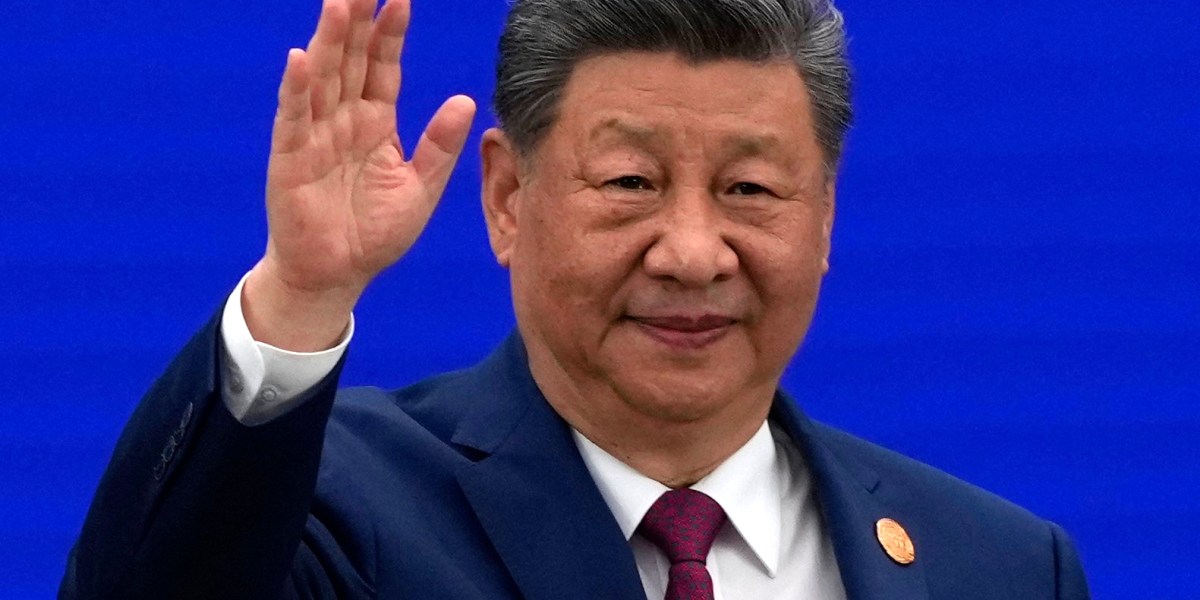
SHANGHAI — President Xi Jinping used the opening of China's flagship artificial-intelligence summit on Friday to position Beijing as the natural steward of the technology's future, calling for AI development and governance to become a shared global project rather than the province of any single superpower.
“The development of artificial intelligence should not be a solo performance by any single country but rather a symphony of global cooperation,” Xi told delegates at the opening of the World Artificial Intelligence Conference, which runs July 17 to 20. It was the first time the Chinese leader delivered the keynote at the annual Shanghai gathering, a signal of how central the technology has become to his ambitions.
The centerpiece of the announcement was a new World Artificial Intelligence Cooperation Organization, an intergovernmental body to be headquartered in Shanghai. Chinese state media said 29 countries, including Pakistan, Russia and Kazakhstan, had signed on to establish the group, which Beijing framed as a forum for setting international standards on a technology that is reshaping economies, militaries and information itself. Xi also pledged 5,000 training and seminar slots for developing nations over the next five years.
Xi took a thinly veiled swipe at the United States, warning against “overstretching the concept of national security” in the AI field — a reference to the export controls that have blocked Chinese firms from buying the most advanced American chips. Those restrictions have squeezed Beijing's access to cutting-edge hardware while spurring a wave of domestic development. U.N. Secretary-General António Guterres and leaders from Kazakhstan, Cambodia and Thailand were among those in attendance.
The diplomacy was paired with a hardware-and-software flex. Coinciding with the conference, the Chinese startup Moonshot released its newest model, Kimi K3, which the company said runs on 2.8 trillion parameters — a scale it claimed makes it the world's largest open-source model, ahead of rival DeepSeek's 1.6-trillion-parameter V4 Pro. Chinese labs have increasingly leaned on open-source releases to win global developers even as they are cut off from top-tier U.S. silicon.
The pitch lands amid an intensifying technological rivalry between Washington and Beijing, with each side racing to set the terms on which the rest of the world adopts AI. Analysts note that a China-led standards body would give Beijing leverage far beyond its own borders, embedding its preferences into the systems used by developing economies. Whether Western governments engage with the new organization or treat it as a competing bloc will shape the coming fight over who governs the most consequential technology of the era.