In a First for Libya, the ICC Sends a Notorious Tripoli Prison Official to Trial on 17 War-Crimes Counts
Judges confirmed charges against Khaled Mohamed Ali El Hishri, tied to torture, rape and murder at Mitiga prison — the court's first case to reach trial after 15 years of investigating atrocities in Libya.
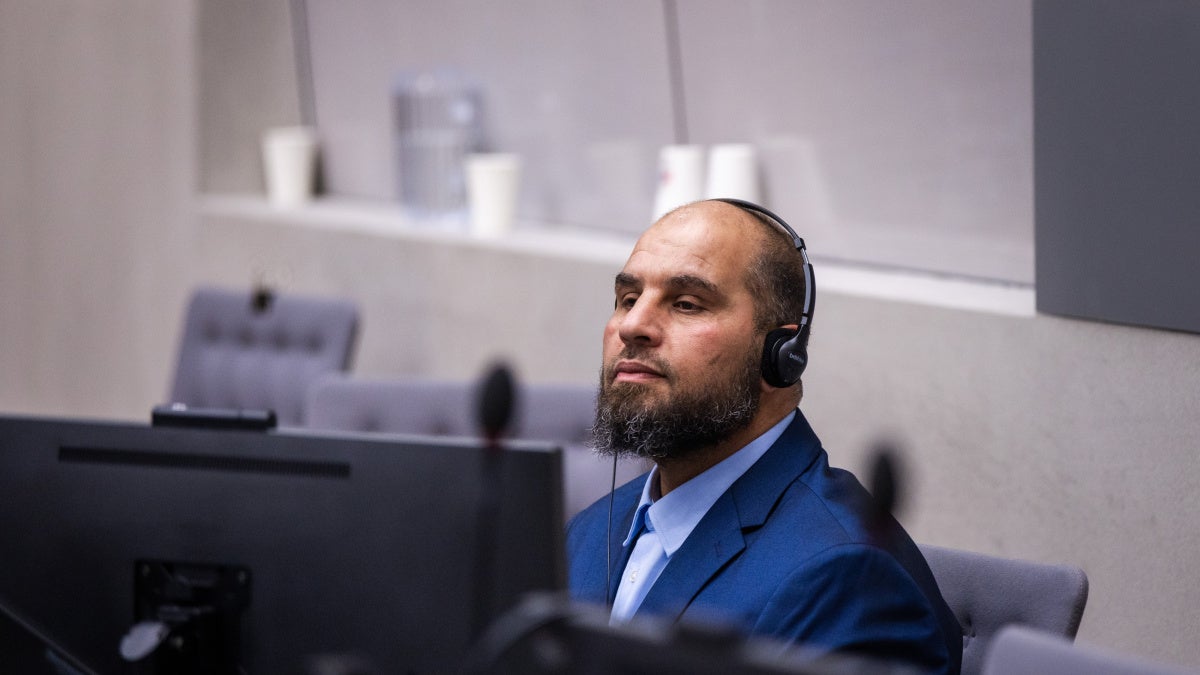
THE HAGUE — The International Criminal Court has ordered a senior Libyan detention official to stand trial on 17 counts of war crimes and crimes against humanity, marking the first case from its long-running Libya investigation to reach that stage after 15 years.
On July 16, a panel of three pre-trial judges unanimously confirmed the charges against Khaled Mohamed Ali El Hishri, finding substantial grounds to believe he was responsible for torture, rape, sexual violence, murder, enslavement and persecution committed against detainees at Tripoli's Mitiga prison since 2015. A separate panel will later set a date for the trial to begin.
Prosecutors allege El Hishri was a senior figure in the Special Deterrence Force, an armed group known as RADA that controlled Mitiga, and that he oversaw the section of the prison where women and young children were held. Human-rights investigators have for years documented systematic abuse inside the facility, describing it as emblematic of the impunity that took hold across Libya after the 2011 fall of Muammar Gaddafi.
The decision is a milestone for a court that has faced persistent criticism over the slow pace of its Libya work. The U.N. Security Council referred the situation in Libya to the ICC in 2011, but for a decade and a half no case advanced to trial, leaving victims and advocacy groups frustrated that mounting evidence of atrocities had not translated into accountability.
Human Rights Watch, which welcomed the ruling, called it a signal that the years of documentation could finally yield justice, while cautioning that much depends on cooperation from Libyan authorities and other states. El Hishri's transfer to The Hague earlier this year and the confirmation of charges suggest renewed momentum in a docket that had long appeared stalled.
For survivors of Mitiga, the case carries weight beyond a single defendant. It is the first time the machinery of international justice has formally committed to trying someone for the specific horrors many of them describe enduring — and, advocates hope, a warning to other commanders that command of a prison does not confer immunity from the reach of the court.
The case has moved unusually quickly by the standards of the court's Libya file. El Hishri appeared before judges for a landmark first hearing in May, and Thursday's confirmation of charges came just two months later, after judges also affirmed the court's jurisdiction over the alleged crimes. The Special Deterrence Force he is accused of helping lead operated as one of Tripoli's most powerful armed factions, wielding control over Mitiga — a former air base converted into a sprawling detention complex — with little oversight. Rights groups say the ruling sends a message that even commanders who long operated with impunity in Libya's fractured post-Gaddafi landscape can eventually be called to account.