Trump-Appointed Judge Orders White House to Give CNN, MS NOW and Politico Their Passes Back
Judge Timothy Kelly granted a 14-day restraining order shortly after midnight, writing that he was skeptical national security was the real reason for the ban. Some reporters were still turned away at the gate hours later.
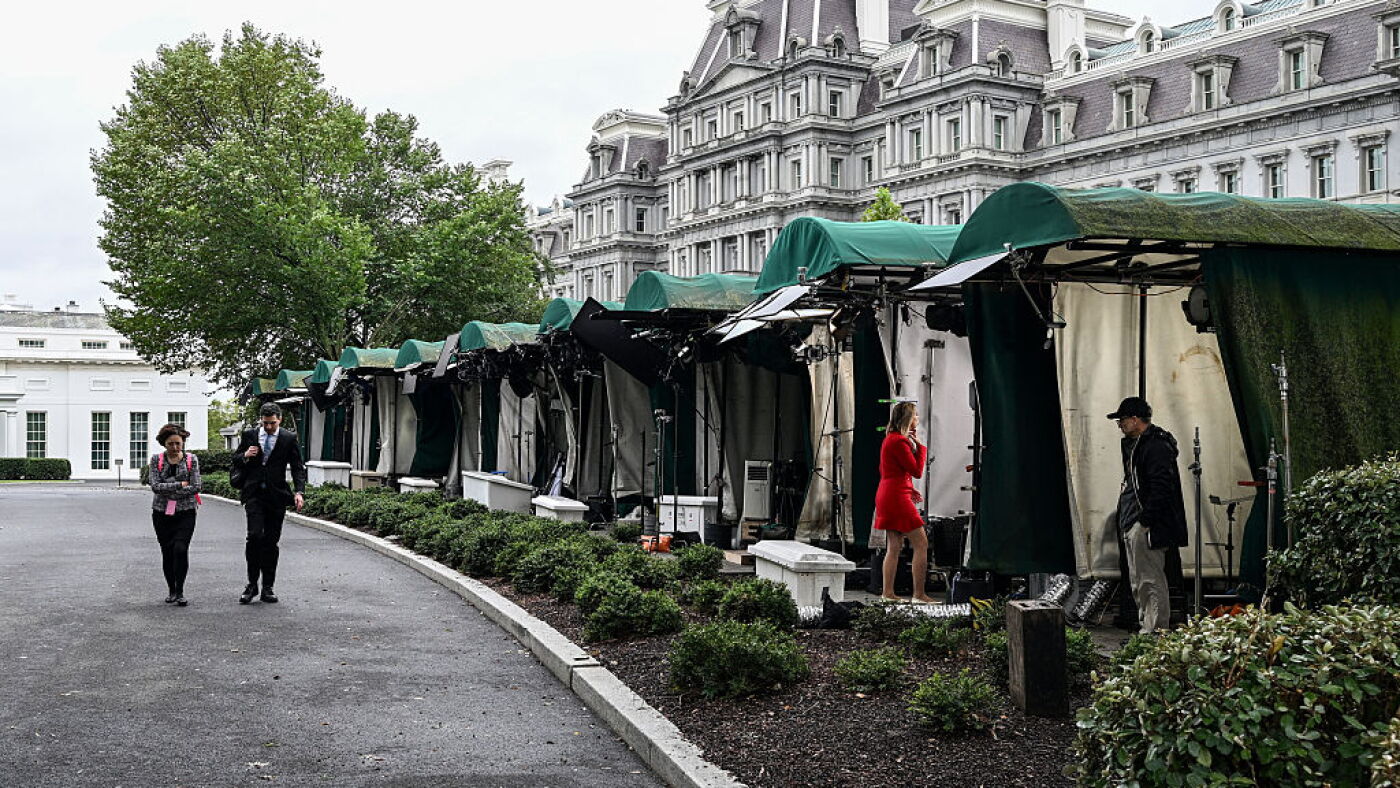
A federal judge ordered the Trump administration early Thursday to restore White House access for CNN, MS NOW and Politico, finding that the three news organizations are likely to prove their reporters' permanent press credentials were stripped without the due process the Constitution requires.
U.S. District Judge Timothy J. Kelly of the District of Columbia, whom President Donald Trump nominated to the bench in 2017, issued a 14-day temporary restraining order shortly after midnight. He directed White House officials to "immediately return, reinstate, and restore" the so-called hard passes held by employees of the three outlets. Those credentials were confiscated by the Secret Service on Saturday morning, a day after Trump announced the ban on Truth Social, citing what he called "constant 'reporting' FAKE NEWS."
The ruling did not end the standoff right away. Politico reported that one of its reporters was denied entry and had credentials taken Thursday morning, and CNN and MS NOW reported similar problems at the gate. Trump said on Truth Social that the administration would appeal "because fake news people" should not be allowed access. Kelly noted in his order that temporary restraining orders are generally not appealable, and he said the court would set expedited briefing on a longer-lasting preliminary injunction.
The judge was blunt about the government's main justification. In a filing Wednesday, the Justice Department argued the outlets were barred because their reporting jeopardized national security and spread falsehoods. It attached White House letters dated Sept. 22 that accused the organizations of "trafficking in verifiable falsehoods about national security and other issues." The letters cited stories on a "top secret" bunker under the new White House ballroom, talks with Iran and the mood at the recent Republican convention in Dallas. "Nothing in the record that predates this suit suggests that the revocation of Plaintiffs' hard passes was motivated by national security concerns," Kelly wrote. He said the court was "skeptical" that national security "is the actual motivation for, or is even advanced by," the revocations. He also pointed out that the reporters who wrote the cited stories did not even hold hard passes.
Kelly found that the conduct standard the White House invoked was "so vague it hardly does the trick." He also said there was no emergency that could excuse skipping notice and a hearing, since some of the stories in the government's letters went back "months or years." He called them "routine." Trump himself told reporters Friday that the ban was not about any single story but about "two years of unfair and negative coverage."
At Wednesday's emergency hearing, the outlets' lawyer, Theodore Boutrous, called the ban "probably the clearest case in history" of viewpoint discrimination. He said the national security argument only surfaced days after the ban was imposed. Justice Department lawyer Michael Velchik countered that White House access "is a privilege, not a right." After the ruling, Boutrous called it "a strong ruling vindicating freedom of the press, due process and the rule of law."
The fight has already spilled beyond the three outlets. When CNN was dropped from a presidential trip to the United Nations General Assembly on Monday, the other four networks in the television pool, CBS News, ABC News, NBC News and Fox News, suspended the pool in solidarity. CBS News and dozens of other news organizations filed briefs supporting the lawsuit. The order runs for two weeks unless the court extends it, while the judge weighs whether to block the ban for the rest of the case.