Secret Service Races to Counter Drone Swarms as Threats Against Protectees Jump 40%
The agency's deputy director tells 60 Minutes the swarm problem is not solved, as 10,000 threats have been logged this year and Iran has vowed revenge on the president.
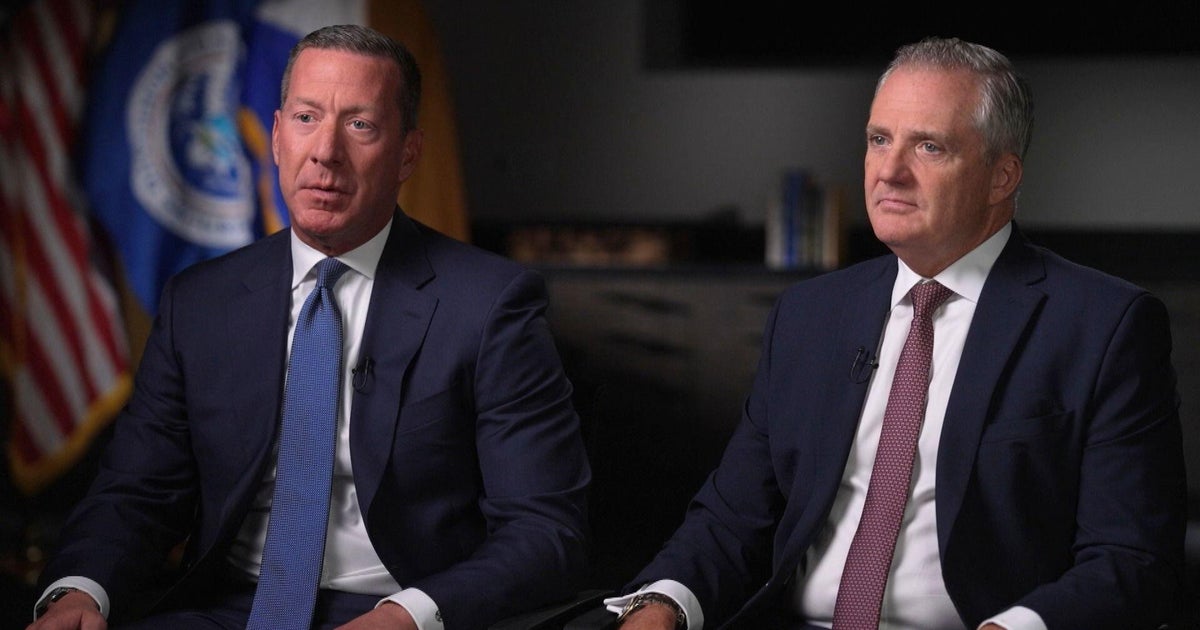
The Secret Service is working out how to handle threats that have moved beyond the lone gunman to attack drones, the agency's leaders told 60 Minutes in an interview broadcast Sunday. Deputy Director Matthew Quinn is leading a new multimillion-dollar program to develop both offensive and defensive drone capabilities. Among the tools in the arsenal is an artificial-intelligence and radar-guided drone hunter that disables enemy drones and captures them in a net.
"Swarms are a huge problem and a big threat," Quinn said. "I'd love to tell you the swarm problem is solved. It's not. I will tell you that at the White House, White House is the safest place on Earth." He said the war in Ukraine has become a testing ground for weaponized drones, and that the agency is borrowing lessons from it. "We know that technology is going to hit the homeland at some point," Quinn said. Director Sean Curran put it more bluntly: "We have to assume that it's possible. The second we're not, we're going to get caught flat-footed."
The fear is that a small, rudimentary drone could be armed with explosives and used against a large concert, sporting event or campaign rally. 60 Minutes reported that the Secret Service used electronic jamming equipment to take down a drone at the December Army-Navy game, which the president and members of Congress attended.
The agency is also facing a rising volume of threats. Curran said 10,000 threats have been made against Secret Service protectees so far this year, a 40% year-over-year increase in cases involving full-time protectees. "I think a lot of it has to do with the internet," he said. "People are more accessible. Information is more accessible." Quinn pointed to mental health as the biggest factor. "More people are being pushed over the edge in either direction," he said. Curran said the agency does not track which side of the political aisle threats come from. Research by the Center for Strategic and International Studies found attacks from the left outnumbered those from the right in 2025 for the first time in 30 years, but this year that trend has reversed, with more attacks coming from the right so far.
Threats from abroad are growing too. Top Iranian leaders have vowed revenge against the United States for the killing of their supreme leader. "Turn on the TV and you can see the funeral where there are massive banners saying 'Kill President Trump.' So do we recognize the threat environment has increased? Absolutely," Quinn said. In July, after intelligence reports of an Iranian plot to fire a missile at the presidential jet, the Secret Service would not let Mr. Trump fly home from Turkey on the new Air Force One. He was secretly moved to another plane, while Cabinet members, staff, the press and Secret Service agents flew on the decoy, the old Air Force One. "We wish that wasn't reported, because that takes some of our tactics away," Curran said, declining to say whether the president had used a decoy plane on other occasions.
The new Air Force One is a 747 donated by Qatar, and the Air Force says it cost the United States nearly $400 million to add security enhancements. Curran said the plane is trusted but would not explain why. He has also added a medical response truck with a trauma unit and a field surgeon, plus a new armored personnel carrier in the motorcade. The president's limousine, which weighs up to 10 tons, is regularly updated, mostly in classified ways.
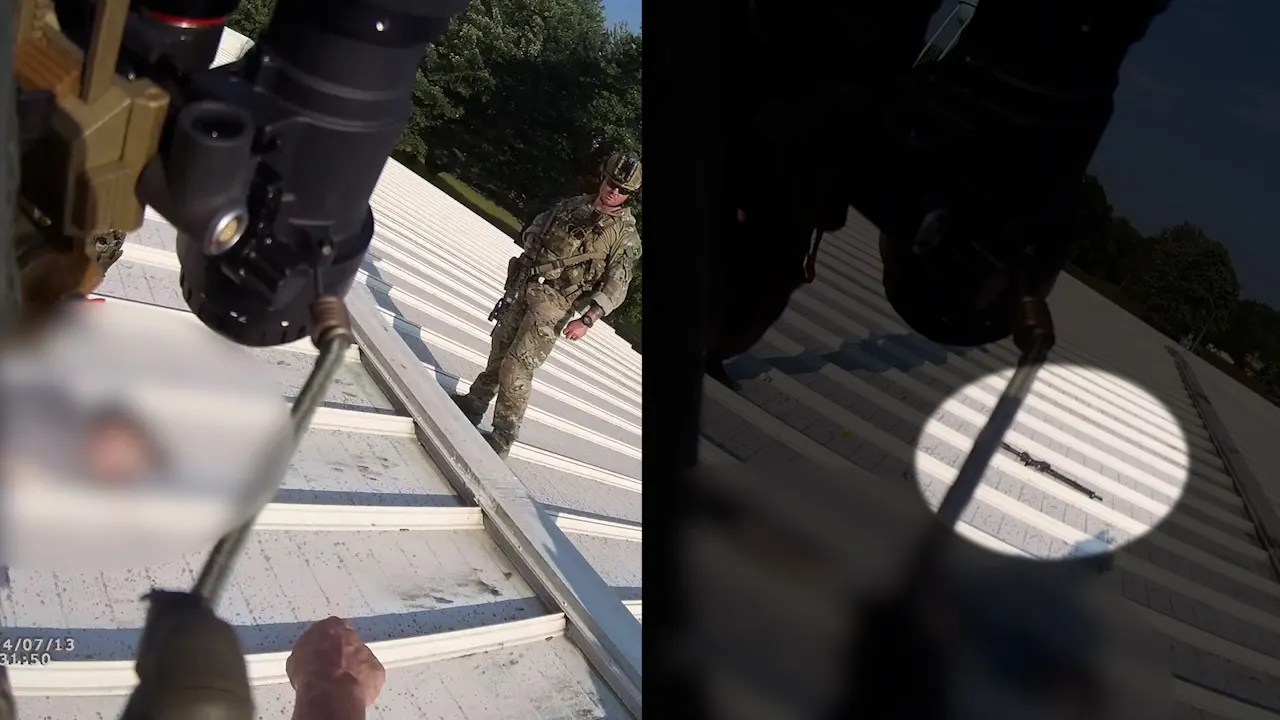
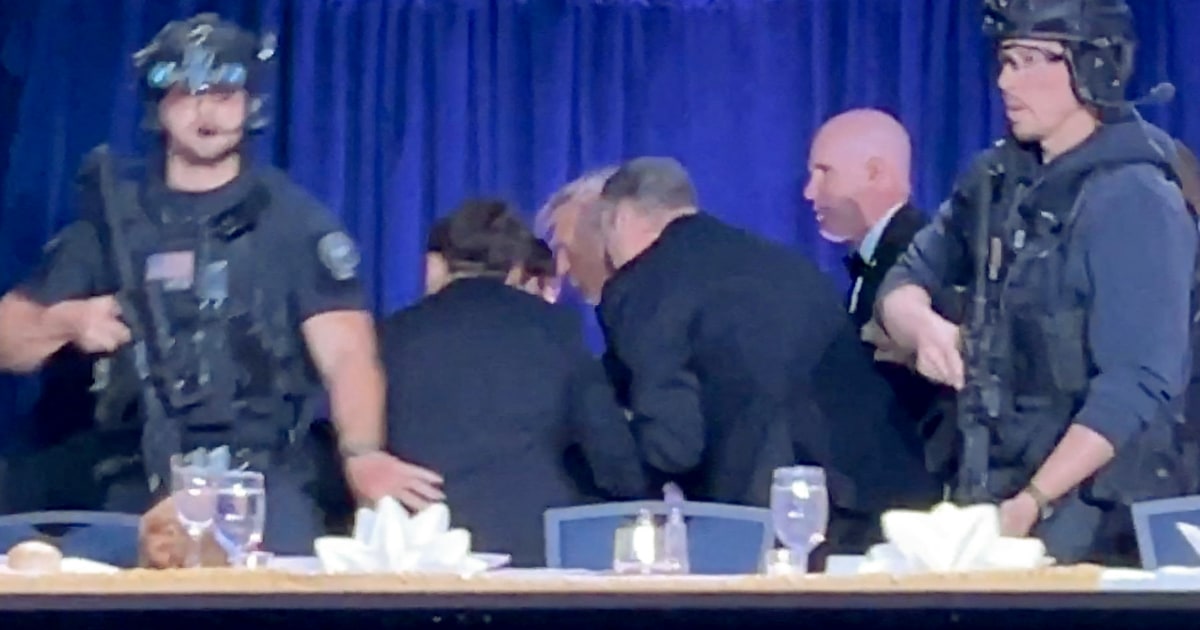
The agency has been rebuilding since the failure to stop Thomas Crooks' attempt on Mr. Trump's life in Butler, Pennsylvania, in 2024. A Homeland Security inspector general's report released in June found the Secret Service "missed multiple opportunities to detect, prevent, and disrupt the assassination attempt." Curran, who was the lead agent protecting Mr. Trump that day, says he is convinced nothing like it will happen again. The agency has long been understaffed. The same inspector general found the counter-sniper team is staffed 73% below the level needed. Quinn said 942 people are now in training, compared with "maybe 200" last year, as the president returns to the campaign trail ahead of the midterms.