The Government Was Supposed to Hand States Citizenship Lists by Friday. It Missed Its Own Deadline
A March executive order told USCIS and Social Security to build a list of every adult citizen in every state. Sixty days before the midterms, the portal still is not open.
The federal government has never tried to compile a list of American citizens. An executive order signed on March 31 directed it to do exactly that, state by state, and to hand the results to state election officials no fewer than 60 days before every federal election. That deadline for the November midterms fell on Friday, and it passed without the lists being delivered.
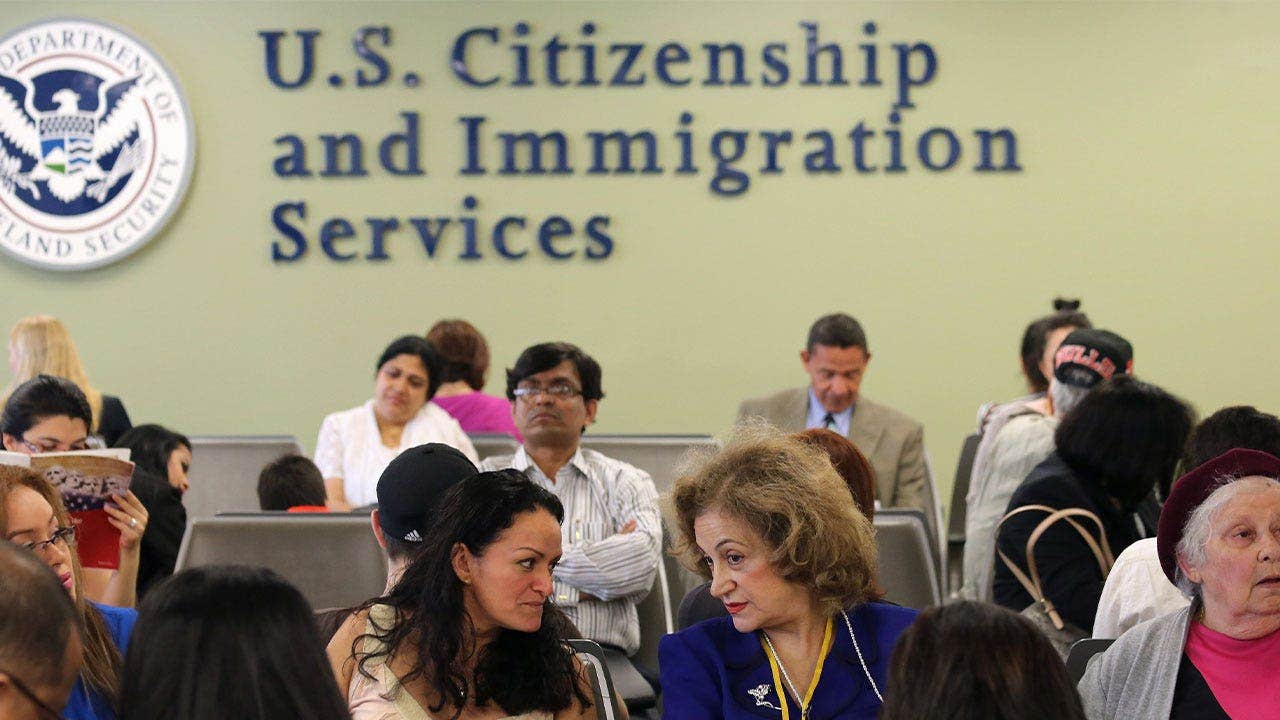
The order assigns the work to U.S. Citizenship and Immigration Services and the Social Security Administration, with the Department of Homeland Security overseeing the project. A June 8 implementation memo signed by USCIS director Joseph Edlow laid out how the "State Citizenship Lists" would be assembled and distributed through a portal for state officials. The Justice Department has now told a court it will give 48 hours' notice before that portal goes live, which is as close to a schedule as anyone outside the administration has.
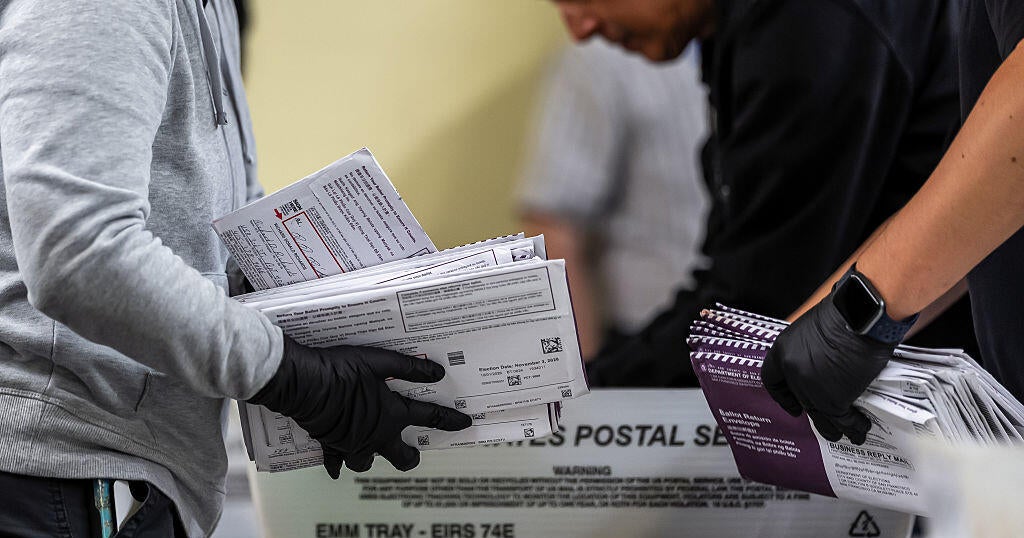
The constitutional problem is who is supposed to be doing this. States, not the federal government, run elections and maintain voter rolls. The order does not order states to use the lists, but it pairs them with an instruction to the attorney general to prioritize investigating and prosecuting state and local officials who issue federal ballots to people who are not eligible. Lawyers at Protect Democracy, one of the groups suing, argue that the combination gives states a strong incentive to use the lists whether or not they trust them, simply to avoid becoming a target.
The accuracy objection is more concrete. In a lawsuit filed by the Electronic Privacy Information Center, joined in separate cases by Protect Democracy, Citizens for Responsibility and Ethics in Washington and Democratic party committees, the plaintiffs argue that no federal agency holds reliable citizenship data on the general adult population. Social Security records frequently are not updated when someone naturalizes. The USCIS SAVE database often has no record at all for people who became citizens as children when a parent naturalized. People who move frequently or change their names fall out of matches. Each of those gaps produces a citizen who shows up on the list as not verified.
The suits claim the program violates the Privacy Act, the Social Security Act and the Administrative Procedure Act, and they ask courts to stop the transfers before any state receives a file. Courts have already blocked several adjacent efforts this year, including an attempt to build a federal voter list and a Postal Service rule on mail ballots, so the administration is litigating this program alongside the others rather than in isolation.
The missed deadline does not kill the project. It does mean that whatever the lists eventually contain, they will reach states with less time to check them against their own rolls than the order itself said was necessary — which is the scenario election officials in both parties have been warning about since spring.