Trump's Red-Dyed Diesel Order Leaves Truckers and Farmers Afraid of a Tax Bill Later
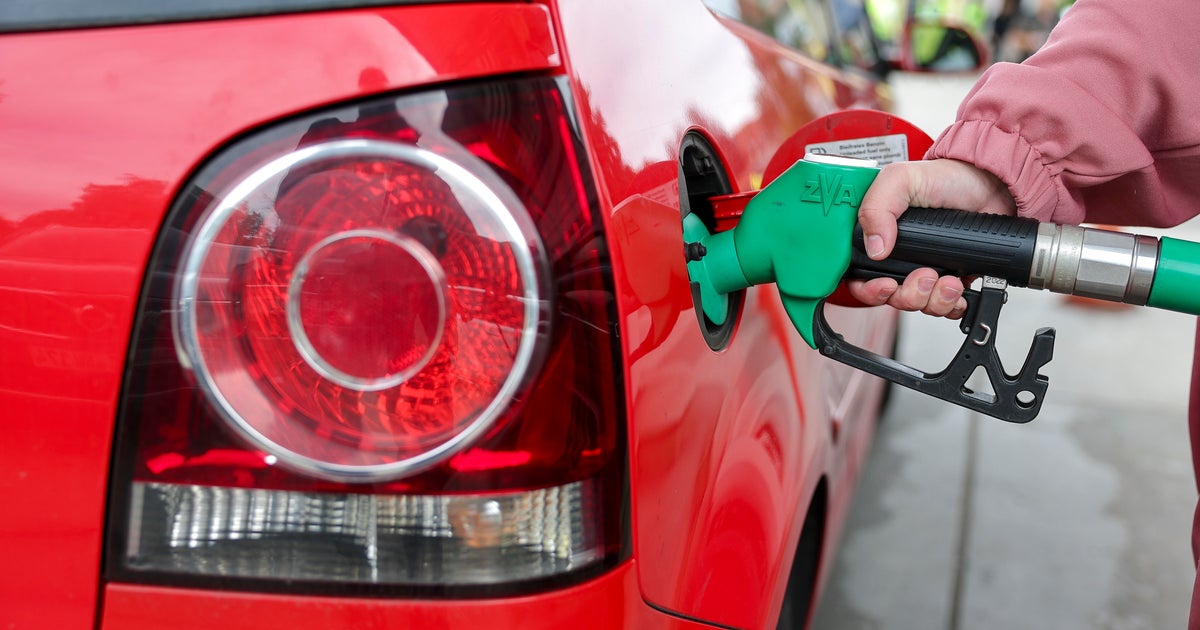
The president's order lets drivers fill highway vehicles with cheaper untaxed diesel through December, but it only defers the 24.4-cent federal tax, and states and trucking groups are telling people to keep buying regular fuel.
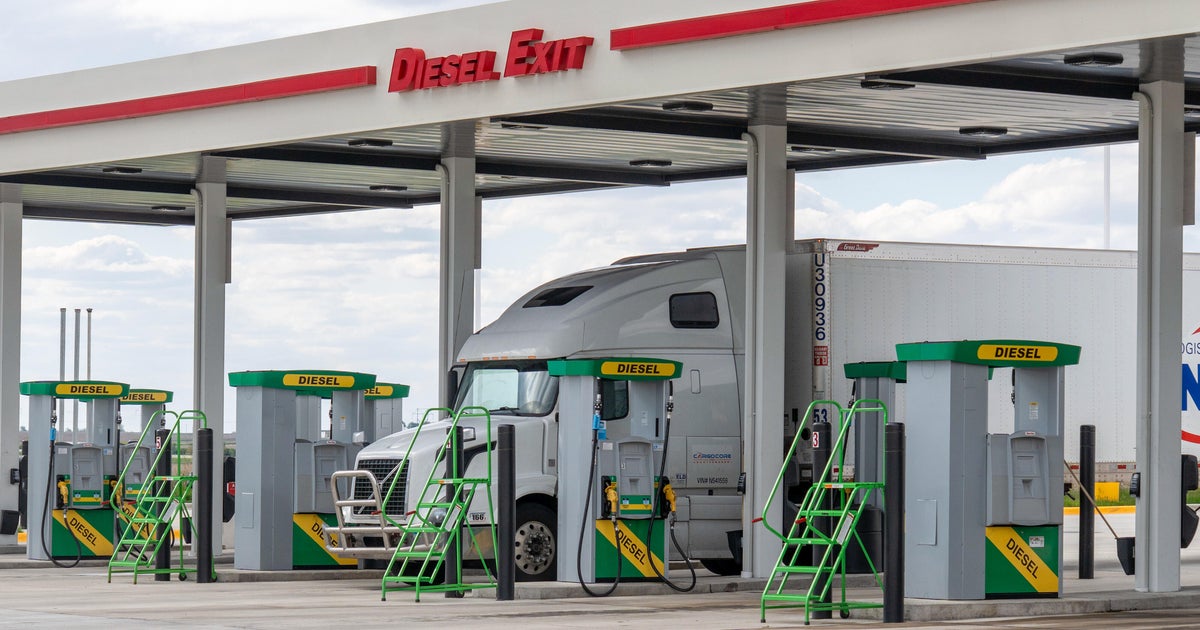
At a farm co-op in Salem, South Dakota, trucker Gerald Otte topped off an 18-wheeler full of soybeans last week and did the math out loud. A year ago he was paying about $3.50 a gallon for diesel. Now it is $5.89. "It's a lot," he said. Two kinds of diesel sit at the pump: regular, and a red-dyed version that is 24.4 cents a gallon cheaper because it is exempt from the federal highway tax. President Trump has said Otte can legally put the red fuel in his truck. Otte's company told him not to.
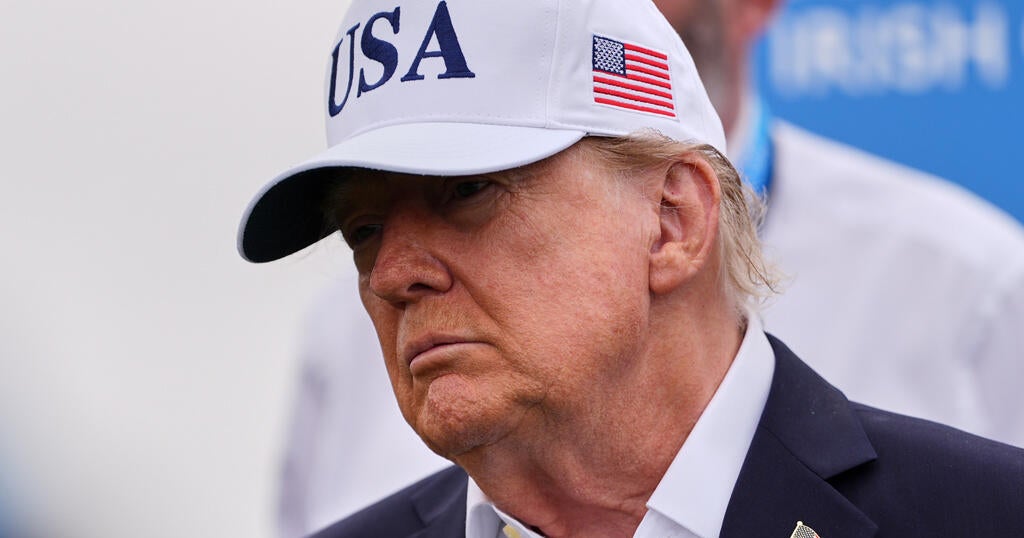
Trump announced the executive order on Oct. 6 at a midterm rally in Nebraska, saying it would "officially waive the off-road requirement and allow anyone to purchase tax-free red-dye diesel for any reason." Red-dyed diesel is normally limited to farm and construction equipment, and the dye exists so police can spot drivers dodging highway taxes. Under the order, anyone may burn it on public roads through the end of 2026. The White House says drivers who rely on diesel could save more than $100 each time they fill up.
The catch is that the order does not erase the tax. It defers the federal excise tax for the rest of the year and directs the Treasury secretary to explore ways to eliminate the requirement to pay it. "The president really doesn't have the legal authority to say to the IRS, don't collect the tax," said Molly Nixon, a senior fellow in executive power at the libertarian-leaning Cato Institute. She said getting rid of the tax might require legislation. A White House official told CBS News that drivers will owe the deferred tax only if the IRS, at the Treasury secretary's direction, moves to enforce it.
On Wednesday the IRS said it will not inspect vehicles or impose penalties on people using dyed diesel on highways for the rest of the year. It said it "anticipates that it will offer further guidance" about postponing the tax and will "explore avenues to eliminate" the requirement to pay it. For many drivers, that falls short of a promise that no bill will arrive later. "Whether anyone who makes the switch to dyed diesel suddenly gets a tax bill is the most unanswered question I have," Patrick De Haan, a petroleum analyst at GasBuddy, wrote on X.
States add another layer of confusion. Many ban red-dyed diesel on roads and highways, and the White House says it is working to persuade them to waive those bans. De Haan warned of a "convoluted patchwork" of enforcement that could deter trucks crossing state lines. South Dakota Gov. Larry Rhoden, a Republican up for reelection in a state Trump carries easily, has told residents not to fill highway vehicles with dyed diesel. He has also directed state officials not to check fuel tanks for it this year. "We're going to take our time and make sure that nobody's caught in the backwash of unintended consequences because it is very confusing," Rhoden said. State Democrats want him to call a special session to suspend South Dakota's 28-cent diesel tax, and the state trucking association has told members not to change fuel practices.
The order arrives as diesel stays near record highs. It hit $6.53 a gallon last month, and the AAA national average was $6.32 on the day Trump announced the order, compared with $3.76 before the war in Iran began. A second driver in Salem, who gave only his first name, Scott, said he had heard Trump approved the cheaper fuel but does not trust it "unless they gave you a piece of paper." Trump has won the county by nearly 70% in each of the last three elections, and Scott called paying over $1,000 to fill a truck "ridiculous." Experts say the benefit will mostly reach farmers who haul their own goods on public roads, while large trucking companies are unlikely to see much relief.