Judge Strikes DOJ's Midnight Unsigned Charges Against Two Ex-FBI Officials
Magistrate Judge Zia Faruqui said he had never seen an unsworn, unsigned complaint filed on the public docket in the Hunter Biden laptop case, a week before the midterms.
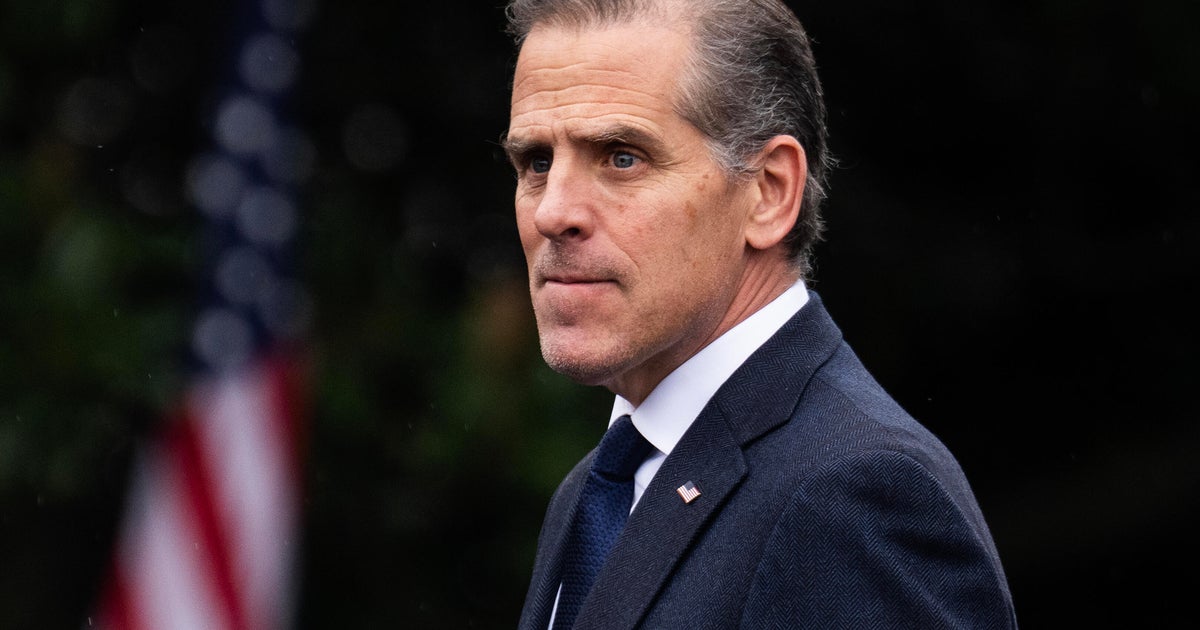
A federal magistrate judge on Tuesday rejected the Justice Department's last-minute attempt to file new criminal charges against two former FBI counterintelligence officials accused of lying to Congress about their role in the Hunter Biden laptop probe. During an often-tense, hourslong hearing, Magistrate Judge Zia Faruqui of the U.S. District Court for the District of Columbia said he would order the new charging papers "struck from the record."
The two former officials, Bradley Benavides and Nicole Floris, were already facing a criminal complaint filed last week. It accuses them of falsely suggesting to the House Judiciary Committee that they were not aware of the government's investigations surrounding Hunter Biden. After midnight on Tuesday, prosecutors put a superseding complaint on the public court docket that added a new charge of obstructing a congressional proceeding. The document was unsworn and unsigned, and Faruqui noted he never reviewed it to determine whether there was probable cause that a crime had been committed.
Faruqui was openly angry. "We have never had complaints filed that are unsigned," he said, calling it "inappropriate" and saying it "harms the defendants." He added: "I am unaware of that ever happening before in this court. I am frustrated that I got it in the middle of the night. But I am much more concerned that it is filed on the public record." The docket was later updated to say the filings were entered "in error." The original complaint, which was reviewed by a magistrate judge, remains in place.
John Borchert, a prosecutor from the U.S. Attorney's Office in Washington, conceded that adding fresh charges in a complaint without judicial review was a first for him as well. He asked whether Faruqui would let the FBI agent who filed the supporting affidavit swear to it and then hold a probable cause hearing. Defense attorneys balked, with one calling the idea "Kafkaesque," and Faruqui compared it to serving as a notary. "Why today on this one case have you changed the entire history of how you charge cases?" the judge asked. "It makes it look like the United States is afraid of me trying to find probable cause." Borchert replied: "We are not afraid of a probable cause finding."
Faruqui said the court would still hold a preliminary hearing to decide whether the original complaint meets the probable cause standard. He accused the government of repeatedly making bizarre moves that only raise concerns, saying it was like throwing gasoline on a fire, and he pointed to the way the case was charged and the decision to bring in a special assistant U.S. attorney from out of town. "Everything you're doing is making me more and more concerned," he said.
The FBI agent assigned to the investigation also acknowledged to a defense attorney that when he was put on the case over the summer, he was concerned it could be seen as "controversial" and "political." Mary Dohrmann, one of Floris' attorneys, told the court that the differences between the original complaint and the one prosecutors tried to file were substantial and raised concerns about accuracy. "The evidence is mounting that this prosecution is about some political football, and not the law or the facts in this case," she said.
Criminal complaints in felony cases are typically reserved for more urgent circumstances, such as ongoing threats to public safety or national security. Justice Department guidelines and norms have also long urged prosecutors to avoid overt investigative steps in politically sensitive cases so close to a national election. The overnight filing is likely to deepen questions about whether the case is politically motivated, a charge the department has not conceded in court.