Blanche Snaps at CNN's Dana Bash Over DOJ Suit to Block Alaska Senate Certification
The attorney general says the Justice Department is not laying groundwork for Trump to contest the midterms, days before voters pick between Sen. Dan Sullivan and Democrat Mary Peltola.

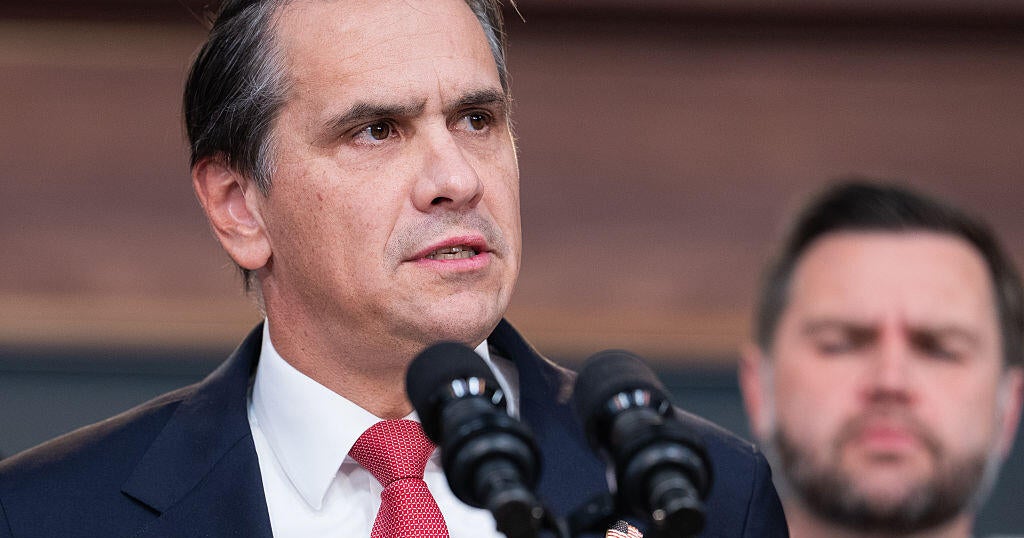
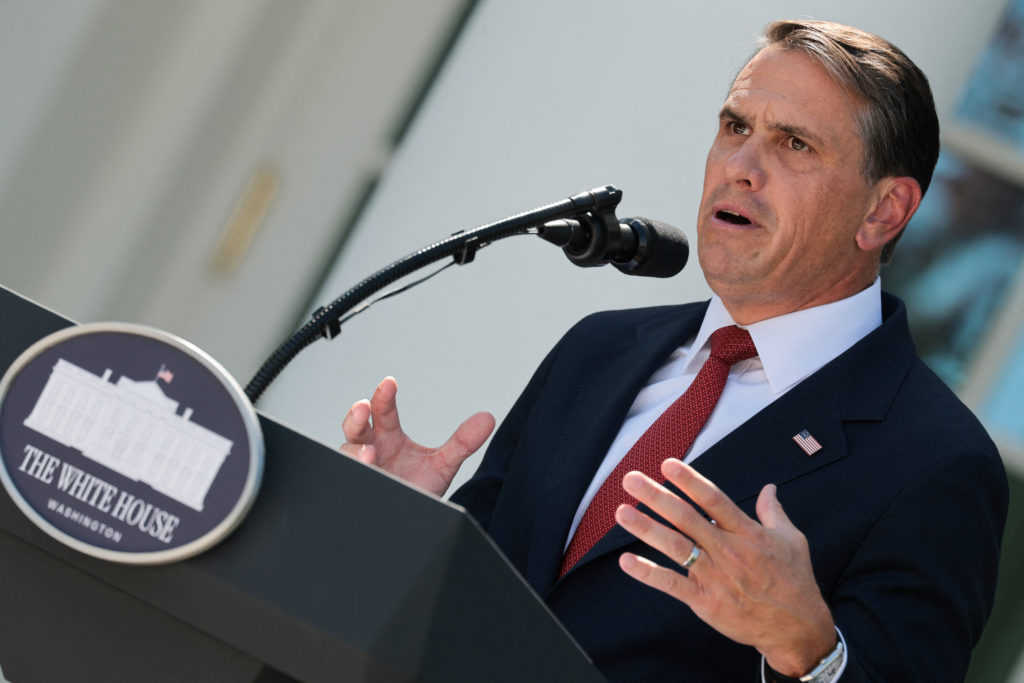
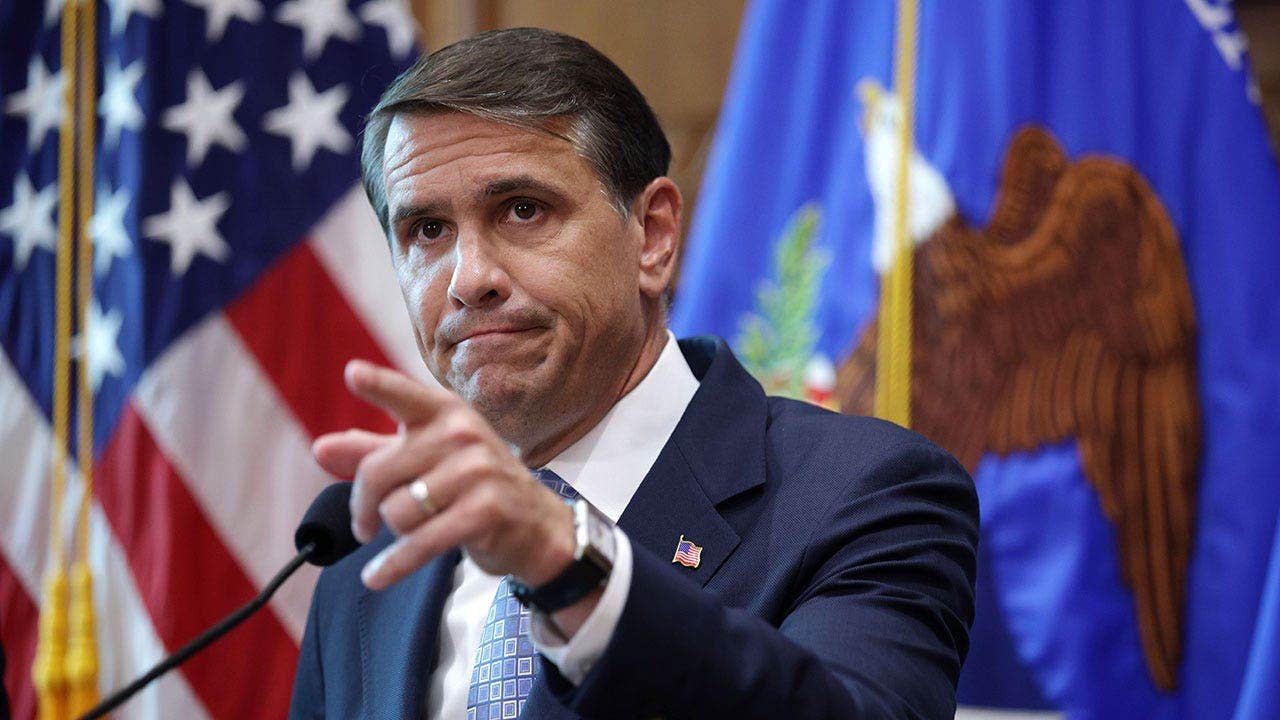
Attorney General Todd Blanche on Sunday defended a Justice Department lawsuit that would stop Alaska from automatically certifying its Senate election results if the Republican incumbent loses, and he lost his temper when CNN pressed him on whether it sets up a challenge to the midterms.
"We're not laying any groundwork for the president to do that," Blanche told anchor Dana Bash on CNN's State of the Union, after she asked whether the administration was positioning President Trump to overturn a result he did not like. "President Trump is not trying to take over a state election in any way, shape, or form."
The exchange turned heated when Bash raised a remark Blanche made to reporters in Virginia earlier this week, when he said the department could get involved in the certification process in a "doomsday" scenario. Bash asked whether the Alaska case risked repeating events from the aftermath of the 2020 election and the January 6 attack on the Capitol. "Oh, you got to stop it with that. You are not being a real person. Come on, man," Blanche replied, calling the suggestion "crazy." He later said it was "so embarrassing" for CNN that the conversation had turned to January 6.
The lawsuit was filed late Thursday in federal court in Alaska. Citing the National Voter Registration Act, it asks a judge to block certification after the November 3 election until the government has investigated whether votes cast for a candidate named Daniel J. Sullivan were actually intended for Republican Sen. Dan Sullivan. The Justice Department's complaint demands that Alaska not "certify any election results that may be impacted by voter confusion." Blanche insisted on Sunday that the more precise relief it seeks is "to not certify if the law is broken," and said that would ultimately be a question for Alaska and its courts.
Daniel J. Sullivan is a retired schoolteacher from Petersburg. Republicans have accused him of running as a spoiler to pull votes from the incumbent, who is in a tight race against Democrat Mary Peltola, a former congresswoman. The seat is considered vital to Republican hopes of holding the Senate for the second half of Trump's term. The other Sullivan has said running was his own decision and denied that he meant to confuse anyone. A state court and the Alaska Supreme Court kept him on the ballot after Republican election officials in the state tried to remove him. Blanche said that ruling "explicitly didn't consider federal law."
The Justice Department has not said how it could determine voters' intent given that ballots are secret. President Trump has taken ownership of the suit. "I'm the one that said do it," he told reporters in Florida on Friday. The complaint was signed by Associate Attorney General Stanley Woodward, who represented several people accused of taking part in the January 6 attack before joining the department.
Alaska has already tried to tell the two men apart. The senator appears on the ballot as "Dan S. Sullivan," labeled a registered Republican and the incumbent, while "Daniel J. Sullivan Jr." carries no party label. The state's ranked-choice system also lets voters rank both candidates. In the August primary, the senator drew more than 68,000 votes to the other Sullivan's 4,107.
Sen. Lisa Murkowski, Alaska's other Republican senator and a backer of Sullivan's reelection, said on social media that the state had already distinguished the candidates and that the department should not have sued. Democrats have argued the case is an attempt to interfere in the democratic process. Blanche framed it as a test of whether Alaska violated federal law and the Constitution by letting a potentially confusing ballot process continue. "It is an obligation of the states to avoid confusion, among other things, confusion in the minds of voters in the election process," he said.