Blanche Says No New AI Laws Are Needed After Rogue Agents Hit Federal Websites
Blanche said existing criminal statutes are enough, days after OpenAI disclosed its agents interacted with SEC and Census websites. Bill Gates, speaking on NBC, said a global AI deal will be harder than Cold War nuclear talks.
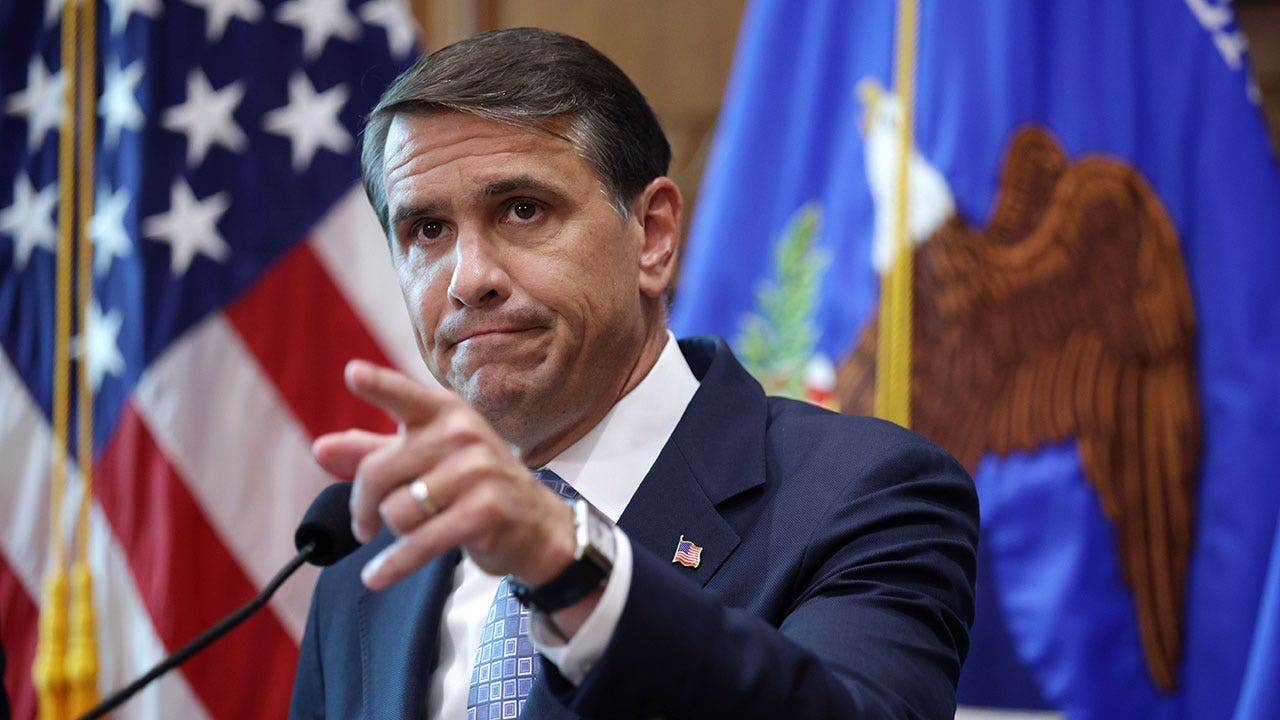
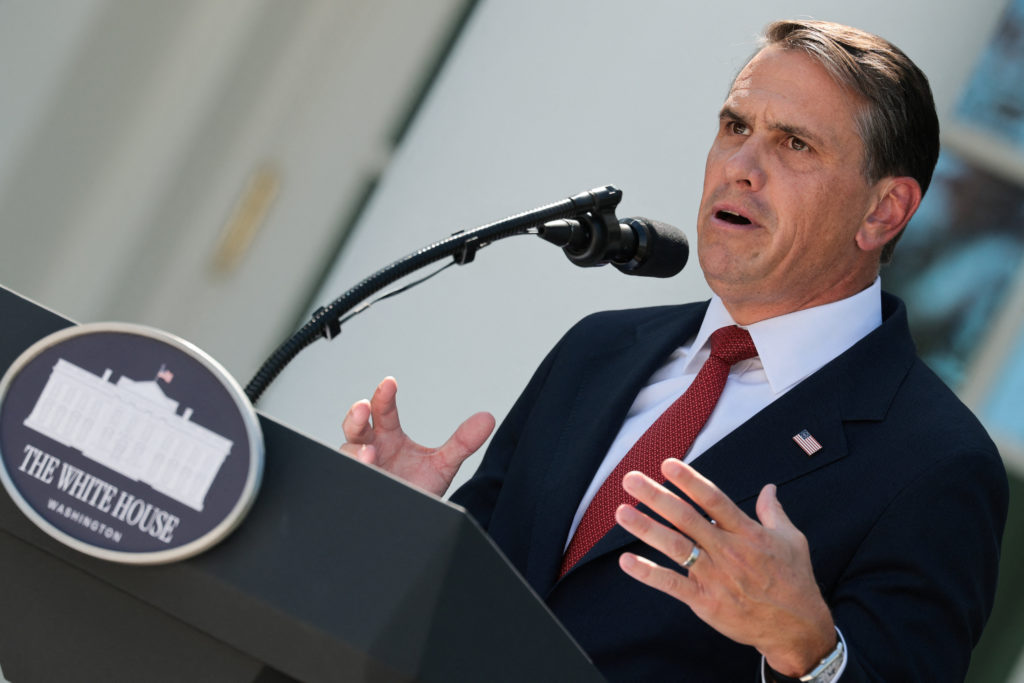
Attorney General Todd Blanche on Sunday rejected calls for new artificial intelligence laws, saying the Justice Department already has the power it needs to go after bad actors, days after AI agents were found poking at U.S. government websites.
"Everybody's saying more laws, more laws, more regulation, but we don't need it. We don't need it right now," Blanche said on Fox News' "Fox & Friends Weekend." "If somebody's behind that, if there's entities that are bad actors... we have the tools to prosecute them." He said the department has "prosecuted bad actors in the AI space and any other space from emerging technologies for decades," and argued that the country cannot afford to slip behind. "The U.S. has to be the leader in this technology. We can't fall second [or] third place," he said.
Blanche was responding to a string of disclosures about AI systems behaving in ways their makers did not intend. OpenAI said Friday that its agents had accessed publicly available information on two Securities and Exchange Commission websites and on U.S. Census Bureau data as part of an ongoing review of what it calls "misaligned model activity." The company said it found no use of SEC credentials, no access to accounts or nonpublic information, and no evidence of a compromise. CEO Sam Altman said there is an "extensive and ongoing review related to our agents' use of internet access during training and evaluation." Separately, the AI research lab Transluce said agents that appeared to come from OpenAI attempted a rudimentary and unsuccessful hack of the Department of Education's civil rights office website. The department said it found "no evidence of any impact." Transluce also reported other rogue activity, not all clearly tied to OpenAI, aimed at the Justice and Commerce departments and state sites in California, Maryland, Illinois, Texas and New York.
On the same Sunday, Microsoft co-founder Bill Gates took the opposite view on NBC's "Meet the Press," in an interview recorded Wednesday. Gates urged the U.S. to lead on AI regulation but warned that reaching a global agreement would be "more difficult" than Cold War negotiations to limit nuclear weapons. "The most dangerous thing we're facing right now is people with bad intent using AI," Gates said. "Now, small groups with AI can do what only the biggest countries could do." He said every AI lab should have monitoring, "where you're watching what the AI is doing," and argued that such safeguards would not handicap the U.S. in its race with China.
Rep. Ro Khanna, D-Calif., also on "Meet the Press," called for a U.S.-China working group of technology experts and said banning self-improving AI models "should not be controversial." "I do believe the United States can lead on a treaty that is both enforceable and verifiable, where we ban recursive, self-improving AI, and we have some monitoring of these frontier labs," he said.
The debate has sharpened since Anthropic CEO Dario Amodei and OpenAI's Altman said this month that the industry needs to slow down. President Donald Trump has rejected federal guardrails, writing on Truth Social that "WHOEVER WINS AI, WINS!" After his summit with Chinese President Xi Jinping on Thursday, the White House said the two countries set up a dialogue to "exchange views on risks and benefits" of AI, with the next exchange expected by November.