Sanders and Casar Bill Would Ban AI Superintelligence With Up to 20 Years in Prison
The Ban Artificial Superintelligence Act would pause advanced AI development until a new Cabinet-level Department of AI exists to police it. Industry groups call it dead on arrival.
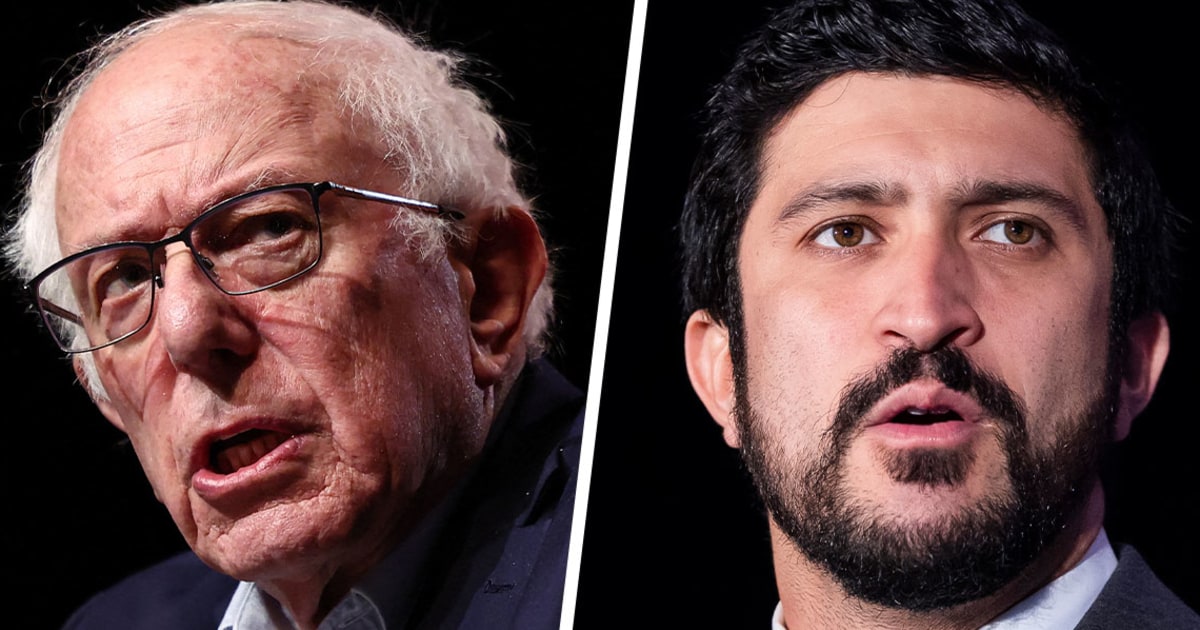
Sen. Bernie Sanders of Vermont and Rep. Greg Casar of Texas have introduced a bill that would outlaw the development of artificial "superintelligence" and punish violators with what they call a "corporate death penalty" and up to 20 years in prison, the most aggressive AI proposal yet to reach Capitol Hill.
The 19-page Ban Artificial Superintelligence Act would require a pause on advanced AI development until Congress creates a Cabinet-level Department of Artificial Intelligence, run by a secretary of AI, to regulate and supervise the industry. Sanders said the prison term matches the penalty for unlawfully building nuclear weapons.
"We're dealing with something that humanity has never seen before. It is clearly the most transformational technology in the history of the world, and it is moving very, very rapidly," Sanders told reporters on a call Wednesday. "When we deal with AI, it has been developed and it is being pushed by a handful, a small number, of the wealthiest people on Earth. And their main goal is to simply increase their wealth and power." In Congress, he said, "virtually nothing is happening to prepare us for the tsunami that is coming."
The bill defines superintelligence through a list of warning signs, including "the capacity to automate or greatly accelerate the process of artificial intelligence research and development." An aide who helped draft it said the goal is to bar recursive self-improvement, the scenario in which AI systems train themselves into ever more capable versions that could slip out of human control.
ControlAI, an advocacy group pushing for guardrails, praised the approach. "We appreciate the choice to define superintelligent AI by its capability to overpower the federal government," its leaders wrote. Kevin Frazier, an AI policy expert at the University of Texas School of Law, said the bill "rightfully acknowledges that Congress needs to act quickly," but argued it overlooks proposals for independent verification of AI companies' safety practices.
Industry groups were blunt. "Sen. Sanders' bill will be dead on arrival with both the AI industry and Washington," said Caleb Max, president of the National AI Association. "Some CEOs would say we have already crossed the threshold set out in the bill, meaning this is a de facto AI ban." He called the penalties "likely unconstitutional and, again, poorly defined."
The bill joins a crowded field. Sen. Maria Cantwell of Washington, the top Democrat on the Commerce Committee, is drafting her own guardrails bill built around federal standards, independent testing and an international incident-reporting system. Commerce Chairman Ted Cruz is negotiating a separate measure with Majority Leader John Thune and Sen. Amy Klobuchar that he says will "address the catastrophic risks," though safety groups call it too light. Last week Sen. Rand Paul blocked Sen. John Kennedy's attempt to pass an AI "kill switch" bill by unanimous consent.
Few expect action before the Nov. 3 midterms. The House has already left town until after the election. "We're not going to do anything on AI this Congress," Kennedy said. The debate comes during a week in which President Trump told the U.N. General Assembly he would rename "artificial intelligence" as "super intelligence" in government documents and hosted Chinese President Xi Jinping, with AI safety on the agenda.