Trump and Tech Chiefs Sign a Voluntary AI 'Accord' at the White House, With No Legal Teeth
Zuckerberg, Musk, Amodei, Pichai, Huang and Bezos backed a statement of principles on superintelligence. Trump called it 'morally' binding and floated a 10-person oversight committee.
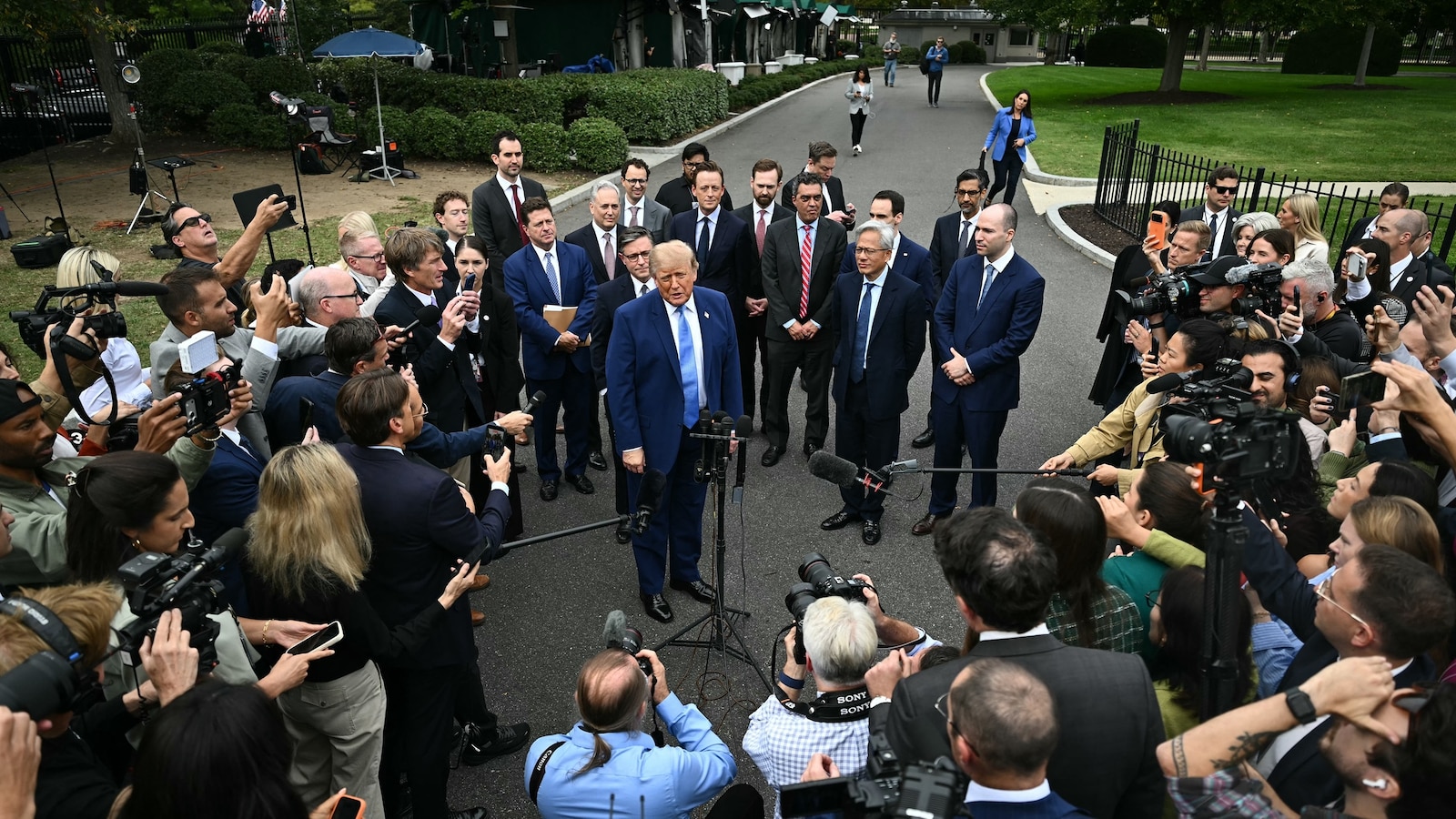
President Donald Trump gathered many of the most powerful executives in artificial intelligence at the White House on Tuesday and announced that they had signed a joint document on the technology's most advanced systems. The paper is titled "The White House Accord on Superintelligence: A Joint Commitment on Frontier SI Responsibilities." It is a statement of principles and standards, and every commitment in it is voluntary.
The signers included Meta CEO Mark Zuckerberg, Elon Musk, Anthropic CEO Dario Amodei, Google CEO Sundar Pichai, Nvidia's Jensen Huang, Palantir's Alex Karp and Shyam Sankar, Amazon founder Jeff Bezos and OpenAI's Greg Brockman. House Speaker Mike Johnson also took part in the event, which brought the industry's rival camps into one room days after some of them had publicly urged tougher rules on AI.
Johnson said the accord "sets forth expectations" for the companies, including "robust internal controls and layers of internal and external review." The text stresses that each company is responsible for putting controls and audits in place and for building public trust in its systems. It does not create any legal requirement, and it does not say what happens to a company that ignores it. It does leave the door open to formal regulation in the future.
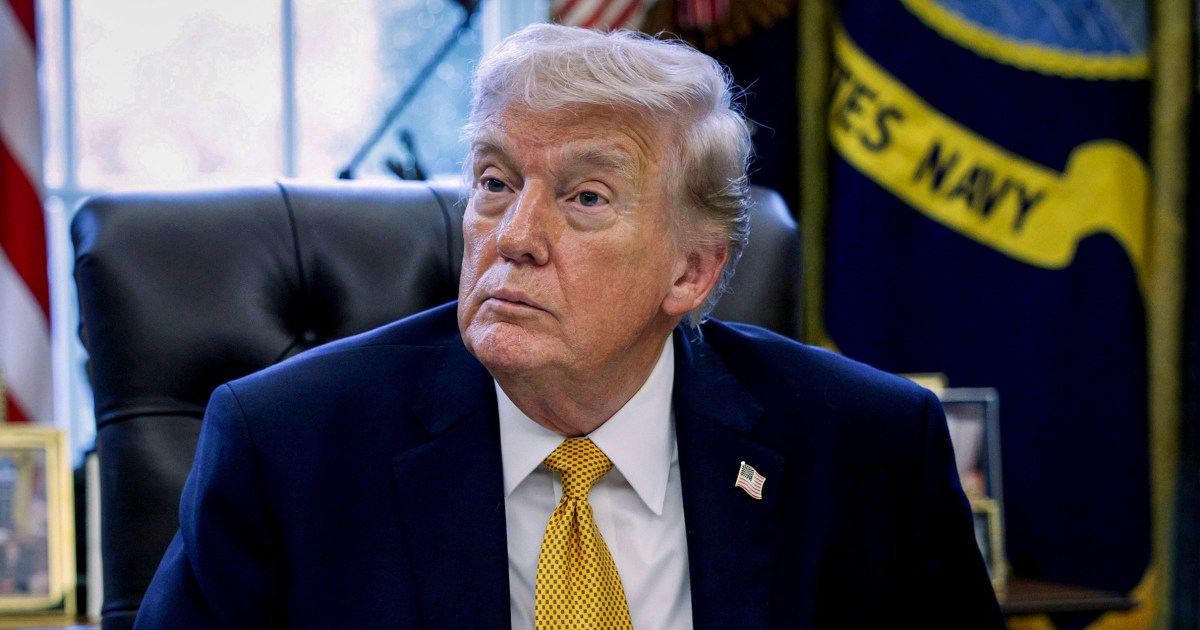
Trump described the agreement as "morally" binding and called the executives "the smartest people in the world," presenting the deal as industry policing itself rather than Washington doing it. He also said the administration is considering a government body to watch over the technology. "We're also thinking about forming a committee of sorts, where we put maybe 10 people on that committee," he said. No details were offered on who would sit on it, what powers it would have or when it would exist.
The announcement lands in the middle of a fierce argument over how fast frontier AI should be built and who should set the limits. Trump said last week that he is forming an "AI Force" and dismissed fears about superintelligence as overblown, while Amodei and OpenAI chief Sam Altman asked the U.N. Security Council last week for global rules on the technology. Critics of voluntary pledges point out that companies have written similar promises before without any outside body able to enforce them.
Supporters of the approach argue that the industry moves too quickly for slow-moving legislation and that the companies hold the technical knowledge needed to set workable standards. Whether any part of the accord ever becomes law, or whether the promised committee turns into a real regulator, was still unanswered when the meeting ended.