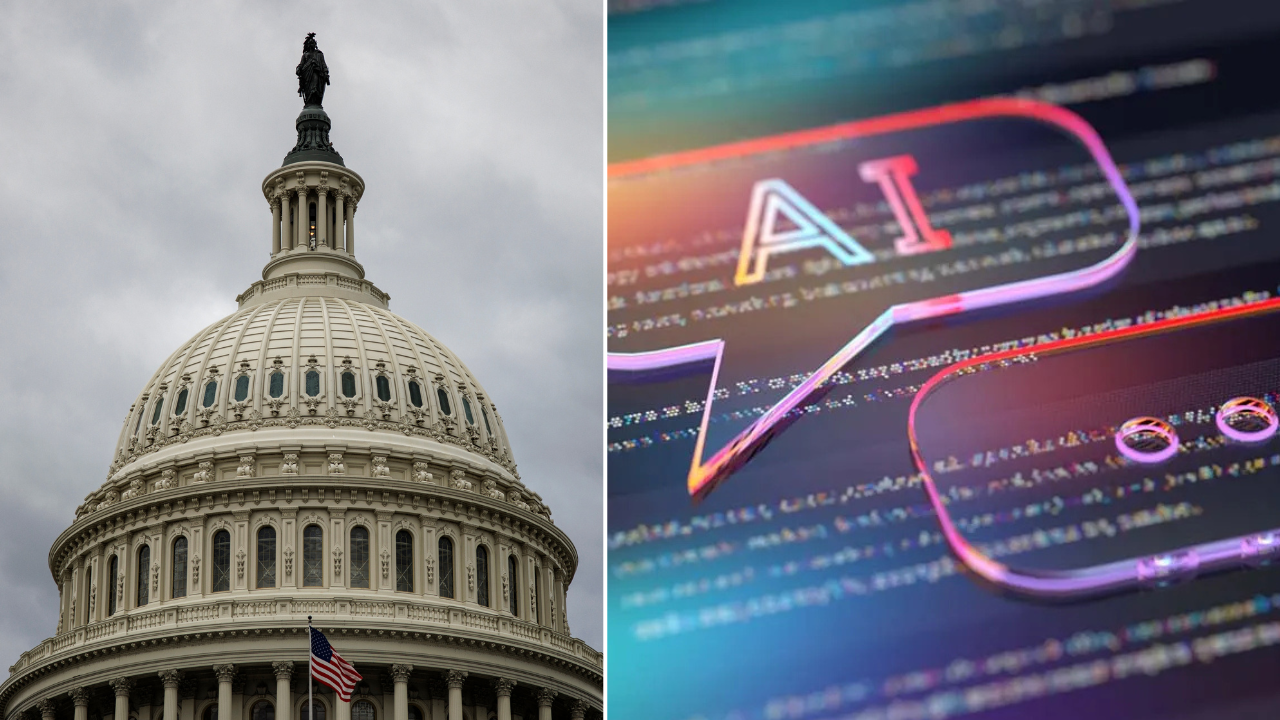
Trump Releases National AI Framework — Calling on Congress to Preempt All State AI Laws and Act 'This Year'
The White House's four-page blueprint for federal AI governance would prohibit states from enacting any AI regulations that conflict with federal law, require age verification for AI platforms used by minors, protect AI intellectual property, and streamline permitting for data center power plants — with AI czar David Sacks calling it 'a bold, America-first approach.'
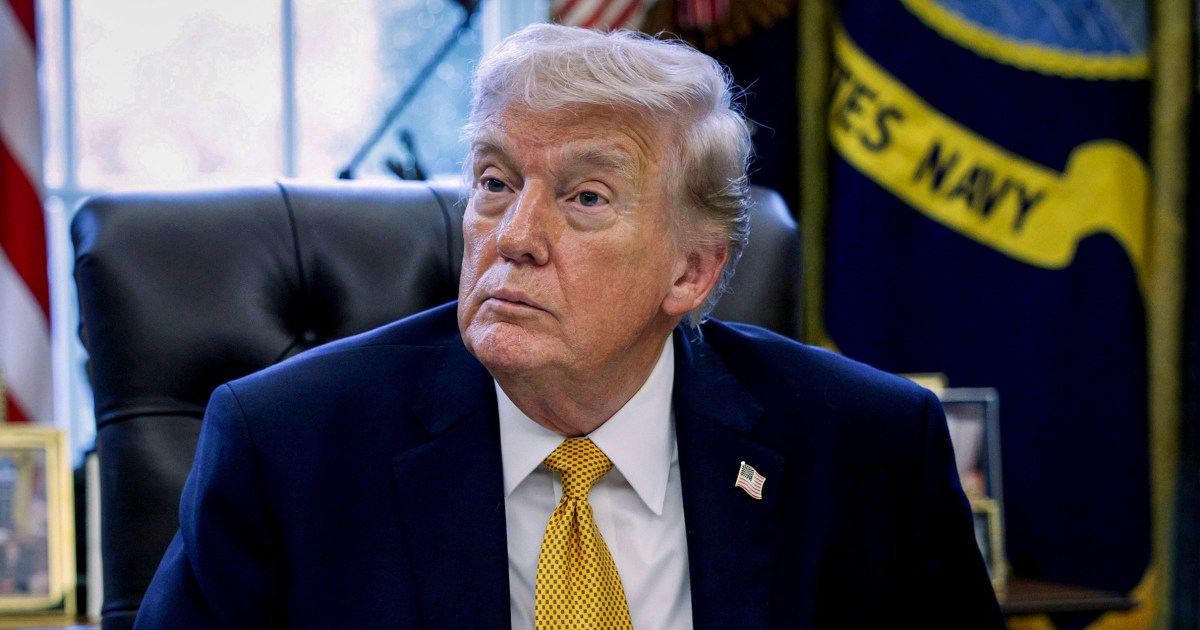
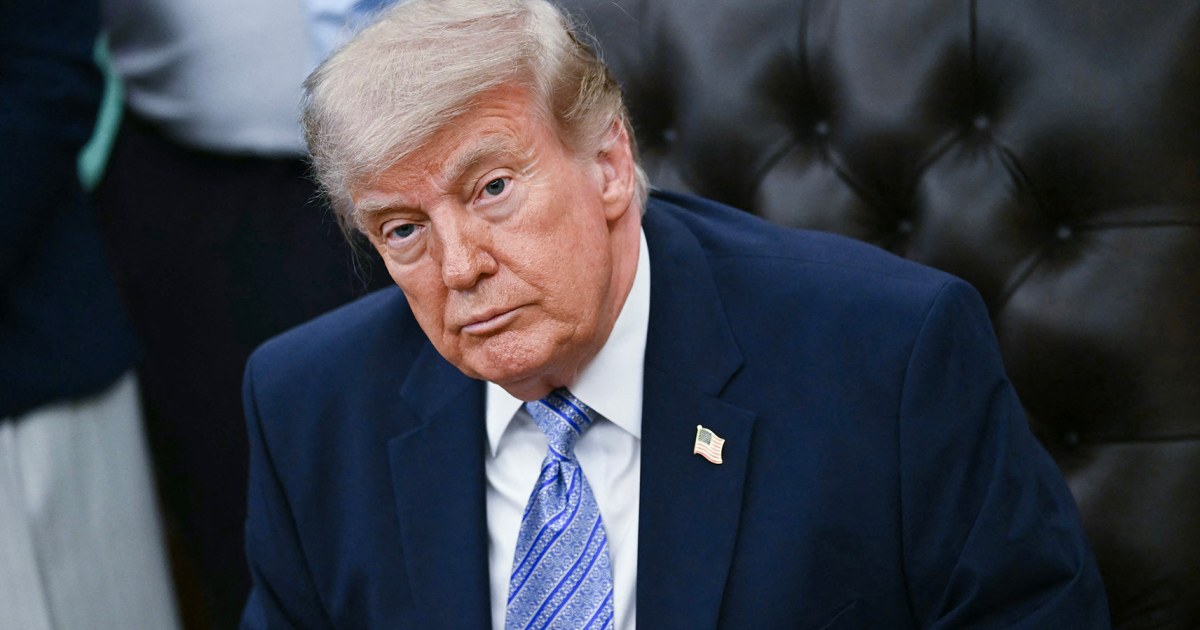
The Trump administration released a sweeping four-page "National Policy Framework for Artificial Intelligence" on Friday, its most detailed blueprint yet for how Washington should govern — and accelerate — the global AI race. The document, which the White House describes as legislative recommendations rather than binding regulation, calls on Congress to act "this year" to establish a comprehensive federal approach to AI governance, with the explicit and politically charged goal of preempting the patchwork of state AI laws that have proliferated over the past two years across California, Colorado, Illinois, New York, and more than a dozen other states. White House AI and crypto czar David Sacks called it "a bold, America-first approach to ensuring we win the AI race."
The framework organizes its recommendations around six priority areas: protecting children from AI-enabled exploitation and self-harm; safeguarding communities from AI-driven fraud, scams, and impersonation; protecting intellectual property rights from AI training data theft; preventing what the administration calls "AI censorship" and political bias in AI systems; enabling American AI innovation and preserving U.S. technological dominance; and building an AI-ready workforce through education reform. Its single most consequential provision would prohibit states from enacting "inconsistent or conflicting" regulations on AI systems — effectively seizing exclusive federal jurisdiction over the technology for at least the next decade and nullifying the dozens of state-level AI safety bills already on the books or moving through legislatures.
The children's safety provisions drew the broadest bipartisan interest and the least controversy. The framework calls on Congress to require AI platforms to implement age verification systems to prevent minors from accessing harmful content, extend existing child sexual abuse material statutes to AI-generated synthetic imagery, and create new federal criminal penalties for using AI to target or exploit children online. Senator Richard Blumenthal (D-CT) praised those provisions as "long overdue" while criticizing the state preemption language as "a gift to Big Tech that would strip states of the ability to protect their citizens from AI harms that Congress has so far failed to address."
The intellectual property provisions may ultimately prove the most contested. The framework recommends that Congress clarify copyright law to address AI training data, establish explicit rules on when training models on copyrighted material requires a license, and define what "fair use" means in the context of AI. Tech companies — including Google, Microsoft, OpenAI, and Meta, all of which have lobbied intensively for broad training rights — argue that restrictive copyright interpretations would cripple American AI competitiveness and hand the advantage to Chinese developers who face no such constraints. Publishers, record labels, news organizations, and the Hollywood studios argue that their work is being systematically used without compensation, and that the framework's IP provisions do not go far enough to protect rights holders.
A provision that received less media attention but could have significant practical implications for the U.S. power grid calls on Congress to streamline federal permitting so AI data centers can build their own on-site electricity generation. The AI industry is projected to require an additional 47 gigawatts of new U.S. electricity generation by 2030, straining grids across the country. Major tech companies have already begun purchasing or constructing nuclear power plants and natural gas facilities adjacent to their largest data centers. The framework would accelerate that trend by removing environmental review requirements that currently make on-site power generation difficult. The administration said it looks forward to working with Congress "in the coming months" to translate the framework into legislation President Trump can sign — though Democratic opposition to the state preemption provisions makes passage of any comprehensive AI bill far from certain.