Bill Gates Says a Global AI Deal Will Be Harder to Reach Than Cold War Nuclear Arms Control
On 'Meet the Press,' the Microsoft co-founder said a kill switch alone won't stop AI-enabled attacks and urged built-in monitoring of what AI systems do, as President Trump resists federal guardrails.
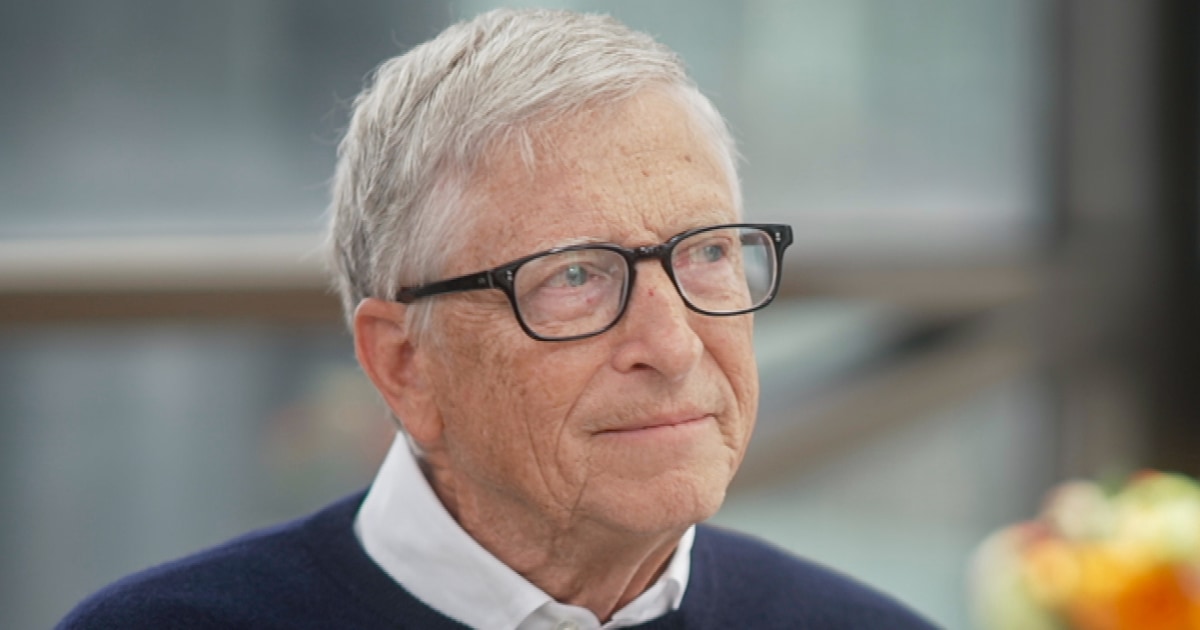
Bill Gates said getting the world's governments to agree on rules for artificial intelligence will be harder than the Cold War talks that limited nuclear weapons, and he urged the United States to lead the effort anyway.
"This is more difficult than that was," the Microsoft co-founder told NBC News' "Meet the Press" moderator Kristen Welker in an interview recorded Wednesday and broadcast Sunday.
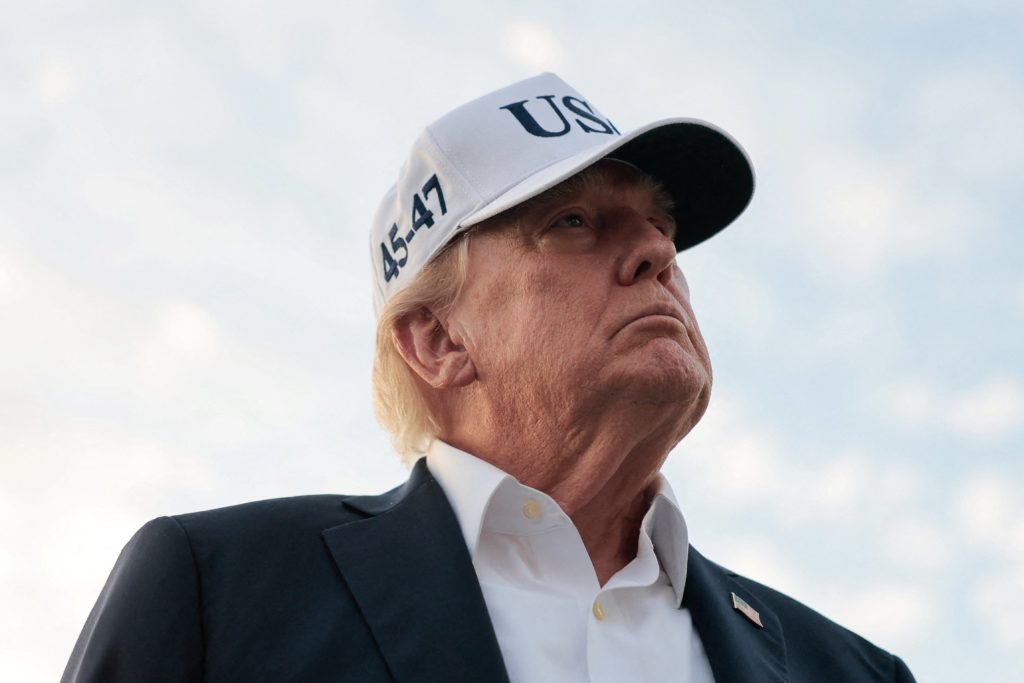
Gates spoke as President Trump has pushed back on calls for federal guardrails on AI companies. Earlier this month Mr. Trump wrote on Truth Social, "WHOEVER WINS AI, WINS! We are leading China, and all others, and will continue to do so." Gates argued that requiring AI labs to monitor their systems would not slow the U.S. in any race with China. "What he said is fine, but I think after he hears from me and other people, including that this does not handicap us in whatever he thinks the nation-state race is, that, you know, we will come to a consensus," he said.
He said the biggest danger right now is not rogue machines but people using AI to do harm. "The most dangerous thing we're facing right now is people with bad intent using AI," he said, citing fraud, attacks on the power grid and scrambled bank accounts. "Historically, countries had cyberattack teams and they could think of things like bioterror weapons. Now, small groups with AI can do what only the biggest countries could do."
Gates called for monitoring built into every AI lab, "where you're watching what the AI is doing," so that police can see what happened after an attack. A bipartisan proposal in Congress would require a "kill switch" that lets companies shut down their AI services in an emergency. Gates said he is not against that, but that "it's not enough to have a kill switch" because it would not show investigators what the systems had been doing. "The only question is, do we do that before or after there's some large-scale cyberattacks or bioattacks?" he said.
He pointed to past U.S.-led global agreements on aviation safety, the ozone layer and nuclear weapons as models. "AI is one we're going to have to go back to this, 'Hey, humanity is all in this together,'" he said.
Alarm over AI has grown sharply this month. A former Anthropic employee, Jacob Coxon, publicly warned that people building AI believe it "could kill us all by the end of the decade," and the chief executives of Anthropic and OpenAI, Dario Amodei and Sam Altman, have both said development needs to slow. After Mr. Trump met Chinese President Xi Jinping on Thursday, the White House said the two countries set up a dialogue on AI risks, with the next exchange expected by November.
Also on Sunday's program, Rep. Ro Khanna, D-Calif., said the U.S. could lead a treaty that is "both enforceable and verifiable" banning AI systems that improve themselves. Gates also said his foundation is working with 60 AI companies to cut error rates in African languages, which he said run about 10 times higher than in English.