Vance Says 870,000 People Suspected of Stealing Pandemic Loans Are Now Banned From Federal Lending. 'If You Screwed the American Taxpayer, You're Cut Off.'
The suspensions, tied to an estimated $39 billion in suspected PPP and EIDL fraud, were announced in Kansas City alongside a summer 'Heartland fraud surge' that produced more than 160 defendants. One Missouri man is accused of claiming to own dozens of businesses, including 'Fur Lives Matter.'
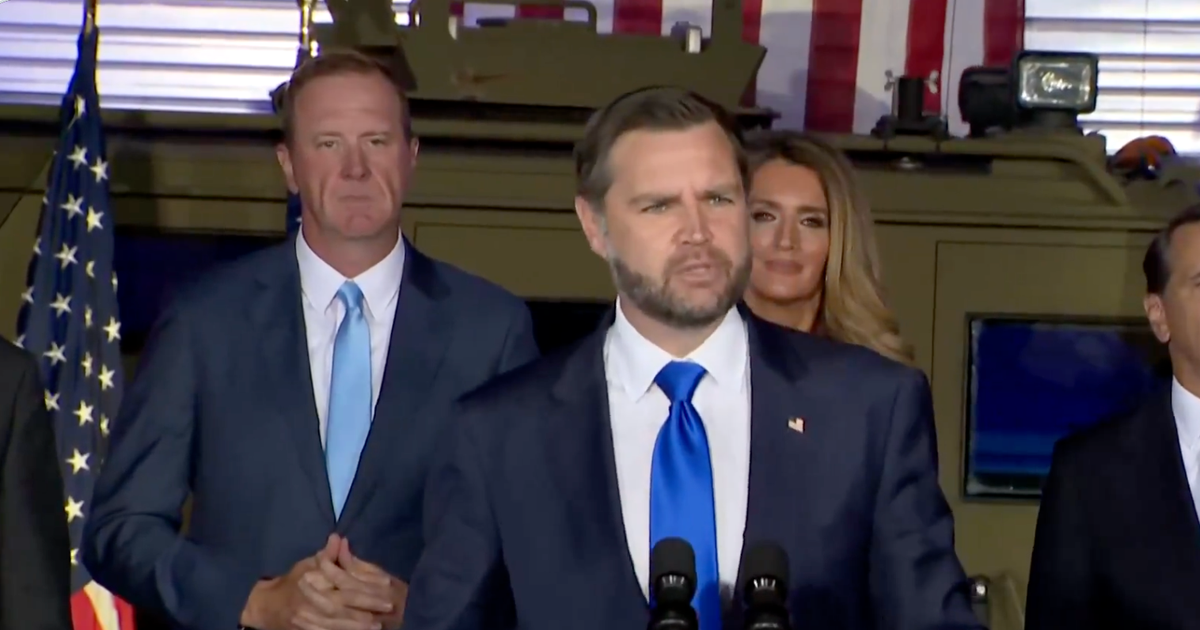
Vice President JD Vance announced in Kansas City on Monday that the Trump administration is suspending roughly 870,000 people suspected of defrauding pandemic-era small business programs from ever receiving another federal loan, the largest single enforcement action yet against a wave of fraud that government watchdogs estimate topped $200 billion.
"If you screwed the American taxpayer, the federal government is now going to say you're cut off, no more," Vance told reporters, flanked by Attorney General Todd Blanche and FBI Director Kash Patel. "You shouldn't be applying anymore, and if you do apply, you're no longer able to get those benefits."
Small Business Administration Administrator Kelly Loeffler said the new suspensions are tied to an estimated $39 billion in suspected fraud spread across 45 states and territories. Combined with earlier actions, she said, the SBA has now cut off borrowers connected to roughly $49 billion in alleged fraud in all 50 states. Suspended borrowers are barred from future small-business and disaster loans and from the agency's 8(a) federal contracting program. "Exposing these criminals is only the first step," Loeffler said. "This summer, we referred $22 billion to the United States Treasury for collections." The agency had previously sent more than 560,000 suspected fraudulent borrowers, tied to about $22.2 billion in delinquent Paycheck Protection Program and COVID Economic Injury Disaster Loan debt, to Treasury for collection.
The announcement coincided with the Justice Department's release of results from what it called the "Heartland fraud surge," a coordinated push that ran from June 12 through Sept. 1 and involved prosecutors from 44 U.S. attorney's offices and more than 20 federal and state investigative agencies. The department said the surge produced actions against more than 160 defendants involving roughly $245 million in intended losses. Nearly 80 people were charged with felonies in cases worth about $100 million, roughly 43 pleaded guilty in cases involving about $44 million, and around 40 were sentenced in cases totaling close to $100 million. The schemes ranged from fabricated businesses and false payroll figures to identity theft.
Among the cases highlighted was that of Jamie Gray in the Western District of Missouri, charged with wire fraud and money laundering in an alleged scheme with nearly $56 million in intended losses. Prosecutors say Gray filed PPP and EIDL applications claiming ownership of dozens of businesses that supposedly predated the pandemic, nearly all of which were not operating before the eligibility cutoff. One of the companies Gray allegedly claimed was "Fur Lives Matter," a real Texas business that prosecutors say had no connection to him. In the Northern District of Iowa, a grand jury indicted Adrian Rafael Pupo Perez and Helen Yaima Leyva Santiesteban on 47 counts in a scheme that allegedly involved more than 100 people and roughly 470 fraudulent PPP applications filed in the names of people across the country.
Congress created the PPP in March 2020 as businesses collapsed under lockdown orders; lenders ultimately issued about 11.8 million loans totaling roughly $800 billion, most of them forgivable. Screening tools lagged far behind the flood of applications, and the SBA's inspector general later estimated that more than $200 billion distributed through the PPP and the disaster-loan program showed signs of fraud. A March 2025 Government Accountability Office report found that about two million of nearly three million fraud referrals contained incomplete, wrong or duplicate information.
Asked why investigators are still uncovering huge schemes five years after the program stopped lending, Blanche told CBS News that prosecutors finally have the money and staff to pursue cases they once passed over. "We have 500 prosecutors now in D.C. and around the country focused on this. We have prosecutors in all 93 U.S. attorneys' offices now directly focused on this," he said. "What we're saying now is, yes, you do. You do have the time. You do have the resources. You need to take that case and investigate it." The department created a National Fraud Detection Center last month to cross-reference data held by different agencies. The open question, for investigators and for the 870,000 people now on the SBA's blacklist, is how many of the remaining cases are individuals who exploited loose rules and how many are organized networks of brokers and application mills that have yet to be found.
Originally reported by CBS News.