Fed Holds Rates at 3.75%-4% as Two Officials Push for a Hike
The central bank paused less than a week before the midterms, but inflation at 3.7% and a split committee point toward a December increase.
The Federal Reserve left its benchmark interest rate unchanged at 3.75% to 4% on Wednesday, but signaled that it is not backing away from the fight against rising prices. The decision came after a September meeting at which the central bank raised rates for the first time in more than three years.
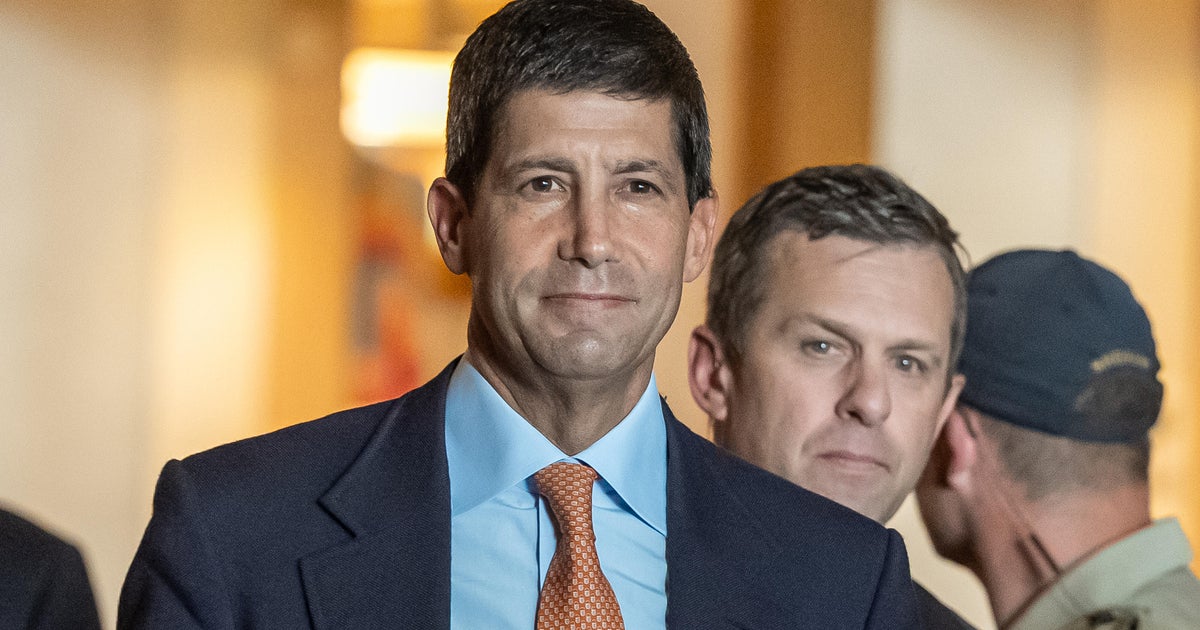
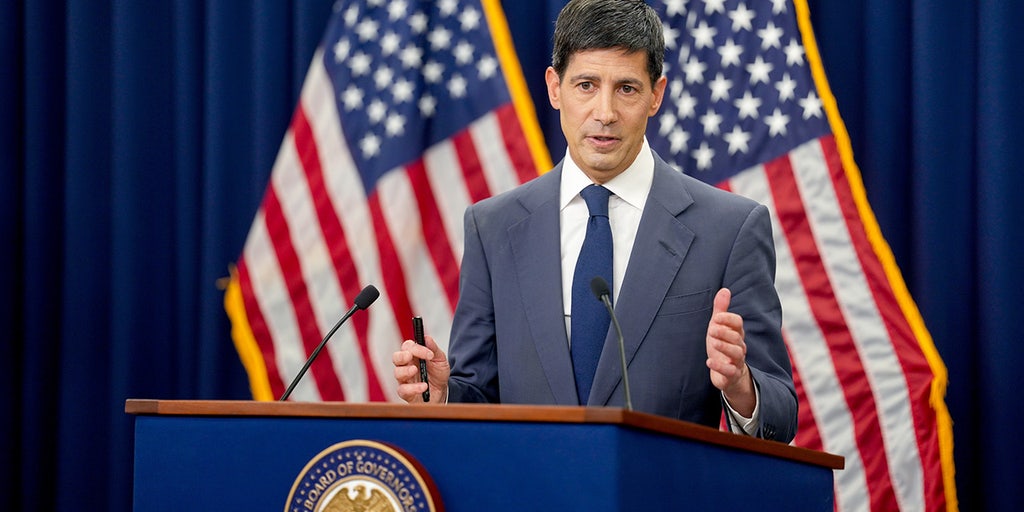
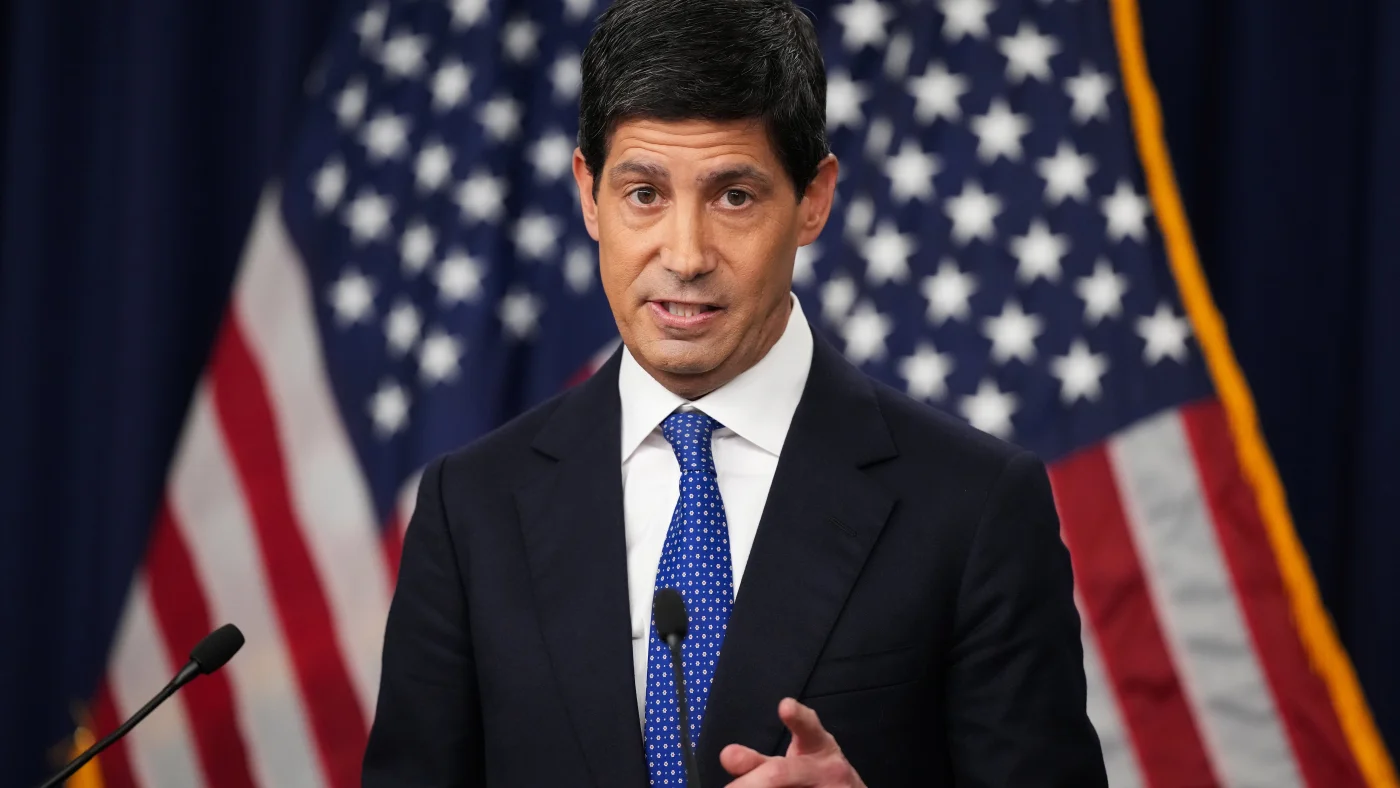
"Inflation remains elevated," the Fed's rate-setting committee said in its statement. The central bank renewed its pledge to deliver price stability, a goal made harder by a spike in energy prices tied to the U.S. war with Iran. Fed Chair Kevin Warsh held a press conference after the announcement.
The vote was not unanimous. Fed governor Lisa Cook and Cleveland Fed President Beth Hammack voted to raise rates by a quarter percentage point, while the majority of policymakers chose to stand pat. Two dissents on the side of tightening is a clear sign of where the committee's center of gravity is moving.
The data explains why. Consumer prices in September were up 3.7% from a year earlier, a bigger annual increase than the month before. "It's 'wrong way,'" said Dan North, a senior economist at the insurance company Allianz Trade. "That inflation line is going up, not down."
The pause comes less than a week before votes are counted in the midterm election, which may have contributed to the Fed's caution. "It would be suspicious if there were a hike before the midterm," North said. After this week's pause, policymakers are widely expected to raise the benchmark rate at their next meeting in December in an effort to tamp down demand and bring prices under control.
The benchmark rate helps set the cost of short-term borrowing such as credit cards. Longer-term rates are set by the bond market but are influenced by the Fed's moves. Mortgage rates climbed to a three-year high of 7.4% earlier this month before easing slightly, and the high cost of home loans has been a drag on the housing market.
The economy itself is sending mixed signals. Consumer spending has stayed resilient, fueled in part by upper-income shoppers who benefit from a rising stock market. That is not the case for less wealthy families, whose wages are not keeping pace with the cost of living. Average wages rose just 3% in the 12 months ending in September, below the rate of inflation.
"Lower and middle-income Americans are having a real struggle," said Mark Zandi, chief economist at Moody's Analytics. "Their purchasing power is actually declining. And that's a pretty uncomfortable place to be." Zandi said that likely goes a long way toward explaining why people don't feel good about the economy.
For households, the message is that relief on borrowing costs is not coming soon. A Fed that is already raising rates, with energy prices elevated by the Iran war and inflation still accelerating, leaves little room for the cuts that homebuyers and credit card borrowers had hoped for earlier in the year. The next test is the December meeting, where the two dissenters may no longer be alone.