The Fed Chair Went to Jackson Hole and Said the Quiet Part: If Inflation Doesn't Fade, 'We Have Work to Do'
Kevin Warsh never used the word 'hike.' Economists heard one anyway, with unemployment at 4.1% and underlying inflation refusing to improve.
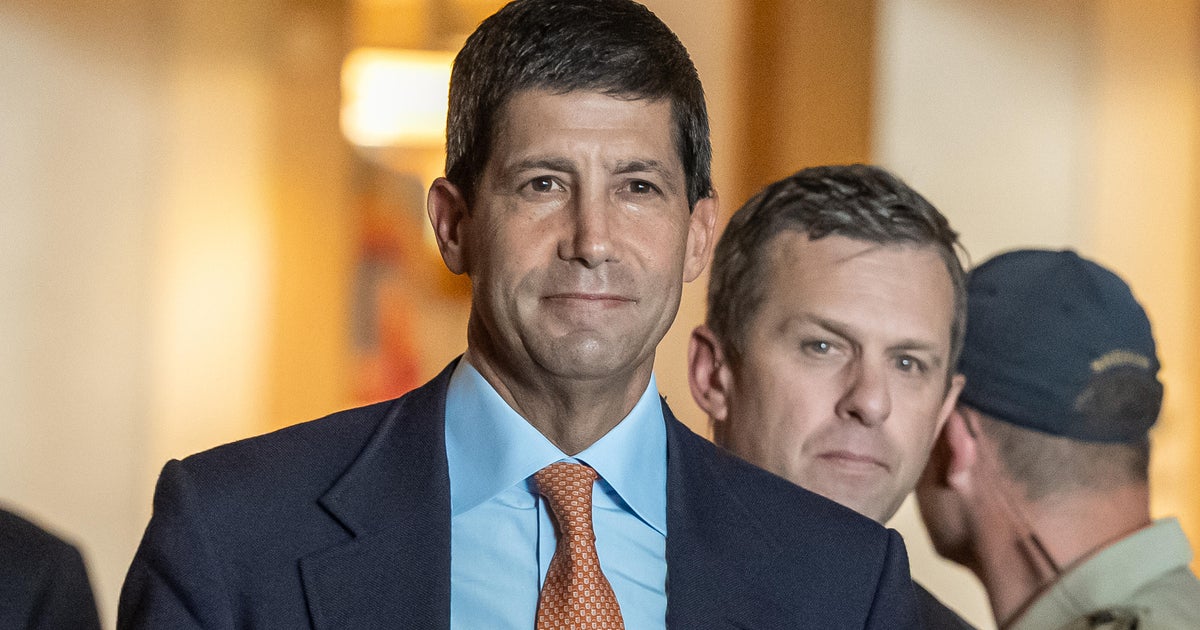
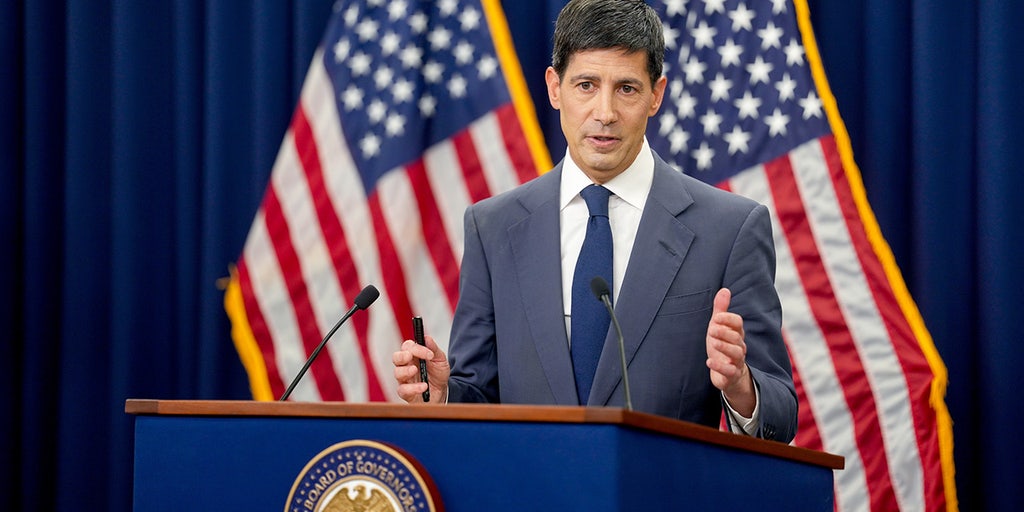
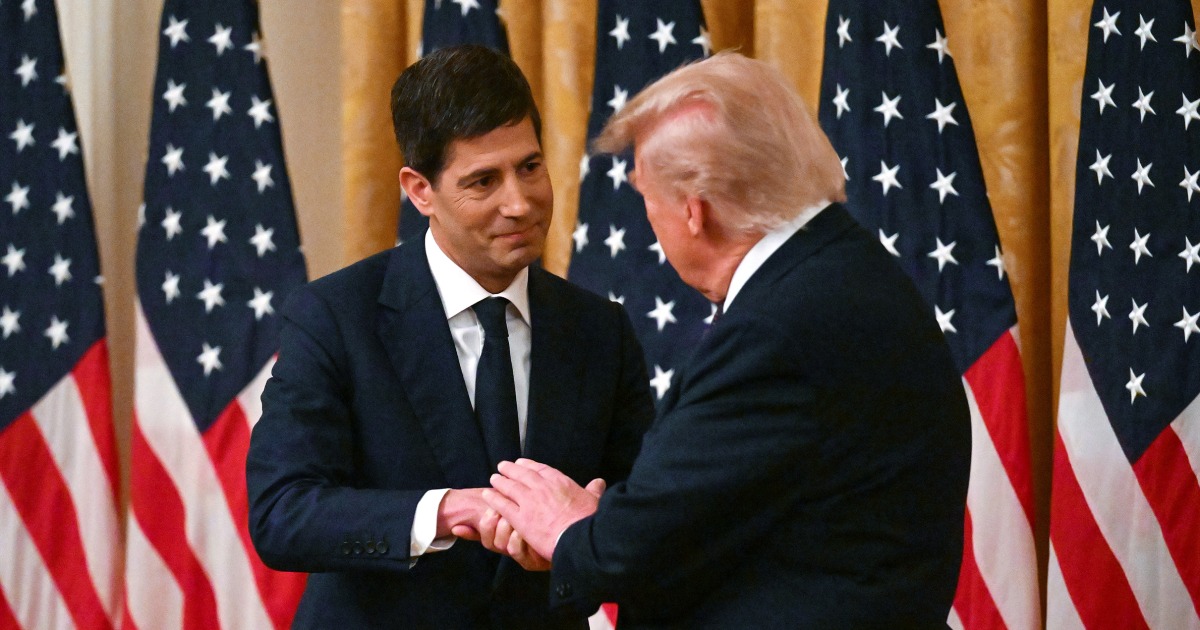
Federal Reserve Chair Kevin Warsh told central bankers gathered in Jackson Hole, Wyoming, on Friday that the Fed remains committed to pushing consumer prices down, and warned that the job is not finished.
"We must be confident that underlying inflation is moving to our objective clearly and at sufficient speed," Warsh said. "Otherwise, we have work to do." He did not say the words "rate hike." Economists in the room did not need him to.
The line was aimed at a specific problem. Headline inflation has cooled since hitting a three-year high in May, when it reached 4.2%, and July data put it at 3.4%. But Warsh's argument was that the improvement is concentrated in volatile components rather than in the underlying trend, which he said has not meaningfully improved. Inflation continues to run above the Fed's 2% annual target, and gasoline remains roughly 24.6% more expensive than it was a year ago, a direct pass-through from the six-month conflict with Iran and the disruption of shipping through the Strait of Hormuz.
Warsh paired the warning with an unusually upbeat read on growth. He said he has been "impressed by the overall performance of the economy," pointing to a July unemployment rate of 4.1% — a labor market that, in his telling, gives the Fed room to keep policy tight without breaking anything. That combination is what markets reacted to: a chair who thinks the economy can absorb higher rates and thinks inflation may require them.
Traders now see the September meeting as a likely hold with the risk shifted later in the year. "A hike probably won't come in September, but it will by October or December," one economist said after the speech. That is a striking place for the debate to have landed. Twelve months ago the argument inside the Fed was about the pace of cuts; the June meeting pushed cuts out to 2027, and Friday's remarks moved the conversation past holding and toward tightening.
Warsh, who took over the chairmanship this year, also used the speech to restate a structural view he has argued since well before he had the job: that the Fed talks too much about what it will do next. Forward guidance, he said, "has overstayed its welcome," constraining the central bank's flexibility and encouraging markets to trade the Fed's promises instead of the incoming data. In practice that means fewer signposts and more meeting-by-meeting decisions — and it is part of why his refusal to rule anything out on Friday carried weight.
The Jackson Hole symposium, hosted each August by the Kansas City Fed, has historically been where chairs signal turns in policy before formalizing them. Warsh's predecessors used it to preview the taper, the pandemic framework shift and the 2022 tightening campaign. His first turn at the lectern produced no announcement, only a condition — and a deadline implied rather than stated.