Kevin Warsh Takes Charge of Federal Reserve Facing Rising Inflation Threat
The economic backdrop that the new Fed chair inherits does not call for the interest rate cuts that President Trump wants.

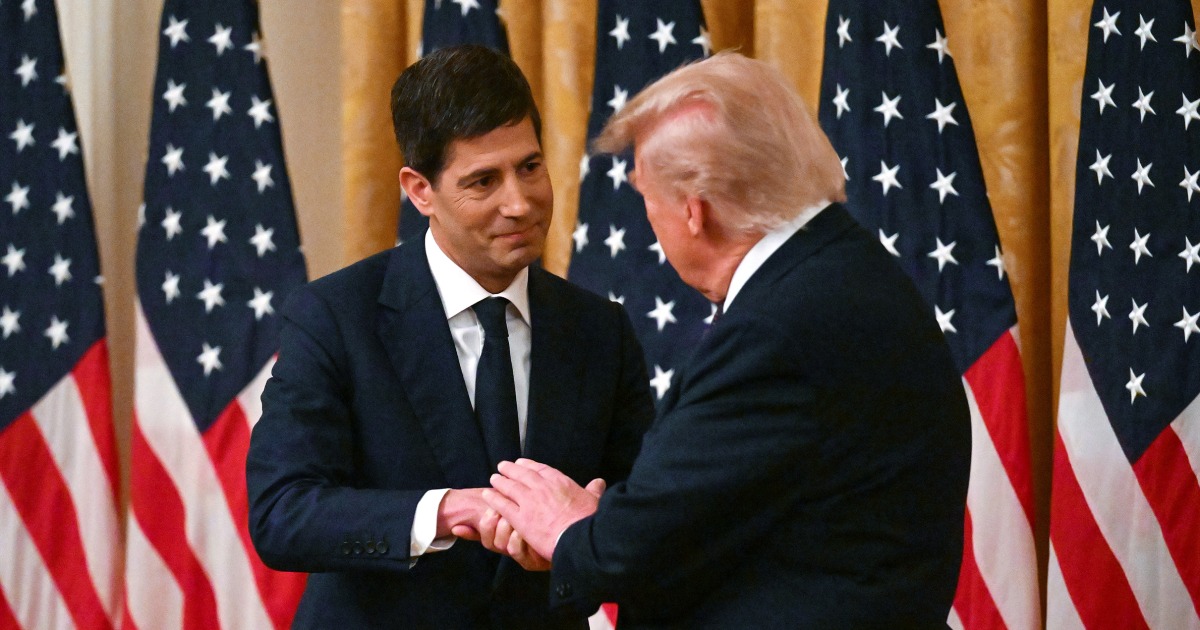
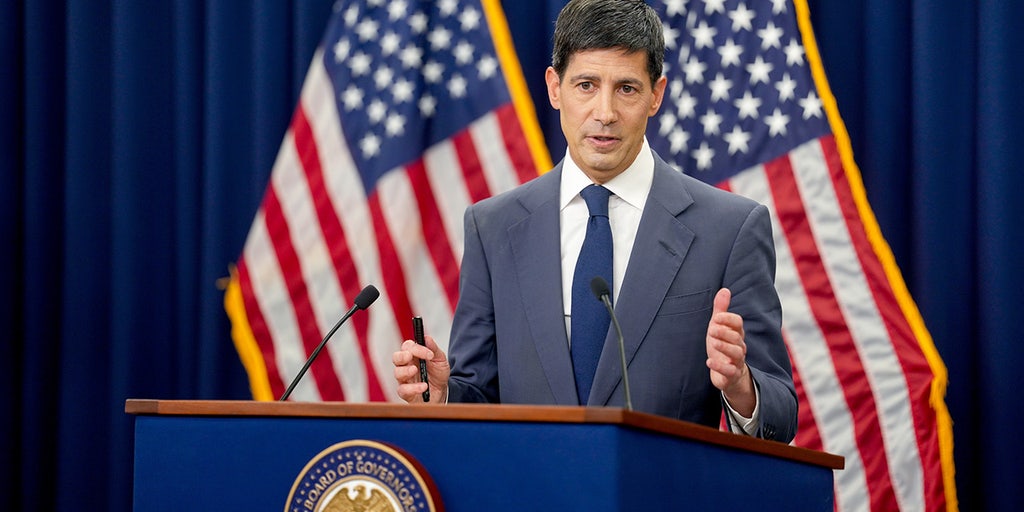
Kevin M. Warsh has been sworn in as the new chairman of the Federal Reserve, taking control of the nation's central bank at a critical juncture marked by rising inflation pressures and potential conflict with President Trump's economic preferences. The appointment comes as Warsh inherits an economic landscape that appears to contradict the president's desire for lower interest rates, setting up a potential clash between monetary policy independence and political pressure from the White House.
The timing of Warsh's appointment could not be more challenging, as economic indicators suggest inflationary pressures may be building rather than subsiding. Current economic conditions appear to call for maintaining or potentially raising interest rates to combat inflation, directly opposing Trump's stated preference for rate cuts to stimulate economic growth. This fundamental disagreement over monetary policy direction places the new Fed chairman in the difficult position of potentially defying presidential expectations while fulfilling the Federal Reserve's dual mandate of price stability and maximum employment.
Warsh brings significant experience to the role, having previously served on the Federal Reserve Board of Governors from 2006 to 2011 during the financial crisis and its aftermath. His background includes extensive work in financial markets and economic policy, providing him with the expertise needed to navigate complex monetary policy decisions. However, his appointment occurs amid broader questions about Federal Reserve independence and the appropriate relationship between central bank policy and political leadership.
The economic backdrop facing Warsh includes several factors that typically warrant cautious monetary policy rather than aggressive rate cuts. Rising energy costs, supply chain disruptions, and wage pressures in key sectors have contributed to inflationary concerns that could require the Federal Reserve to maintain a more hawkish stance. These conditions create a challenging environment for a new chairman seeking to establish credibility while potentially resisting political pressure for easier monetary policy.
Markets and economic observers will closely watch how Warsh balances the Federal Reserve's independence with political realities in the coming months. His approach to monetary policy communications and decision-making will likely set the tone for Federal Reserve operations throughout his tenure. The success of his leadership may depend on his ability to maintain the central bank's credibility and independence while navigating an increasingly complex political and economic environment that demands both technical expertise and diplomatic skill.