Kevin Warsh Sworn In as Federal Reserve Chair as Trump Rate Cut Hopes Fade
New Fed chairman takes control of world's most influential central bank, but prospects for interest rate reductions appear increasingly unlikely.
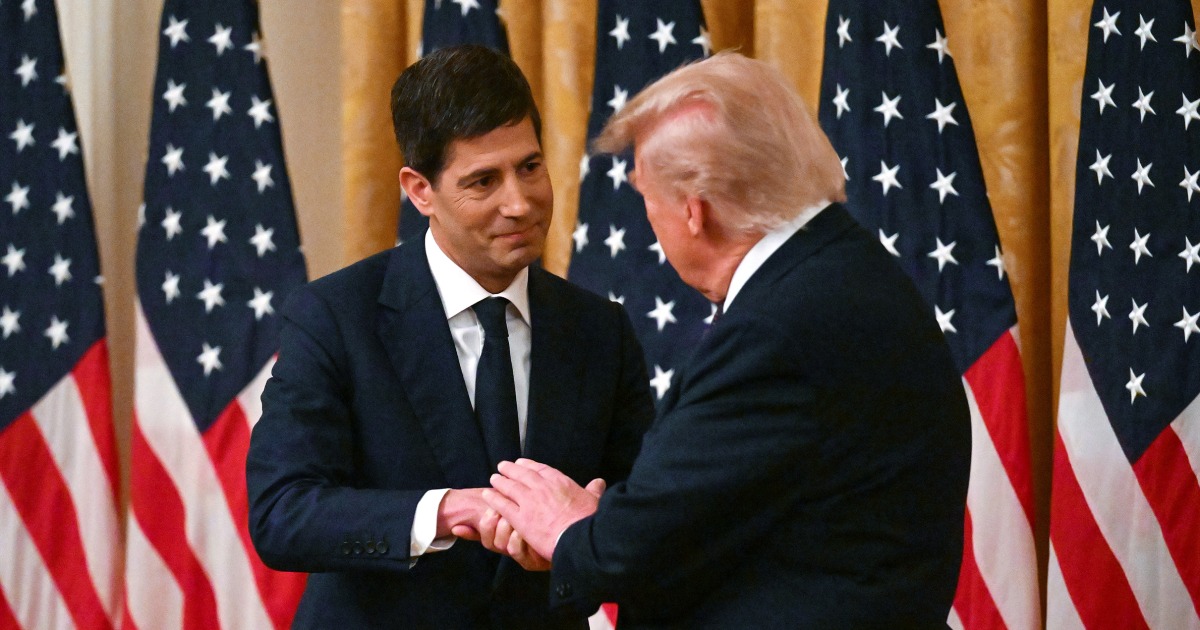
Kevin Warsh was sworn in Friday as the new chairman of the Federal Reserve, officially taking control of the world's most powerful central bank at a time when President Trump's hopes for interest rate cuts appear increasingly unlikely to materialize. The transition marks a significant shift in monetary policy leadership as the Fed grapples with complex economic challenges including inflation pressures and geopolitical uncertainties.
Warsh, who previously served on the Federal Reserve Board of Governors from 2006 to 2011, brings extensive experience in monetary policy and financial markets to his new role. His appointment was closely watched by financial markets and economists, who have been analyzing his past statements and policy positions for clues about the future direction of interest rates and monetary policy.
Despite President Trump's well-documented preference for lower interest rates to stimulate economic growth, current economic conditions appear to be pushing the Fed in a different direction. Rising energy costs, supply chain disruptions, and persistent inflationary pressures have created a challenging environment that may require the central bank to maintain or even raise rates rather than cutting them as the president might prefer.
Financial markets have already begun adjusting their expectations based on Warsh's appointment and the broader economic landscape. Bond traders and equity investors are closely monitoring indicators such as inflation data, employment figures, and global economic developments that will influence the Fed's policy decisions under its new leadership.
The independence of the Federal Reserve from political pressure will likely be tested during Warsh's tenure, particularly if economic conditions continue to conflict with the Trump administration's preferred monetary policy stance. Warsh's ability to navigate these competing pressures while maintaining the Fed's credibility and effectiveness will be crucial for both domestic economic stability and the dollar's role in global financial markets.


