Kevin Warsh Sworn In as Fed Chair as Trump Rate Cut Hopes Fade
New Federal Reserve chair takes control of world's most influential central bank amid mounting economic pressures and political expectations.
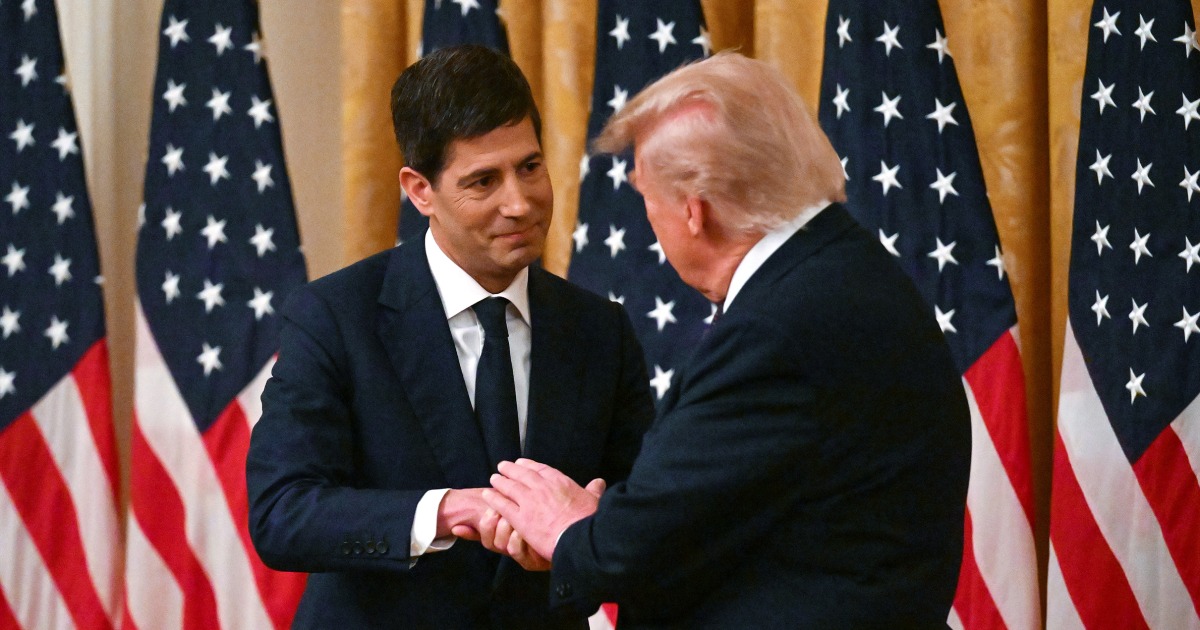
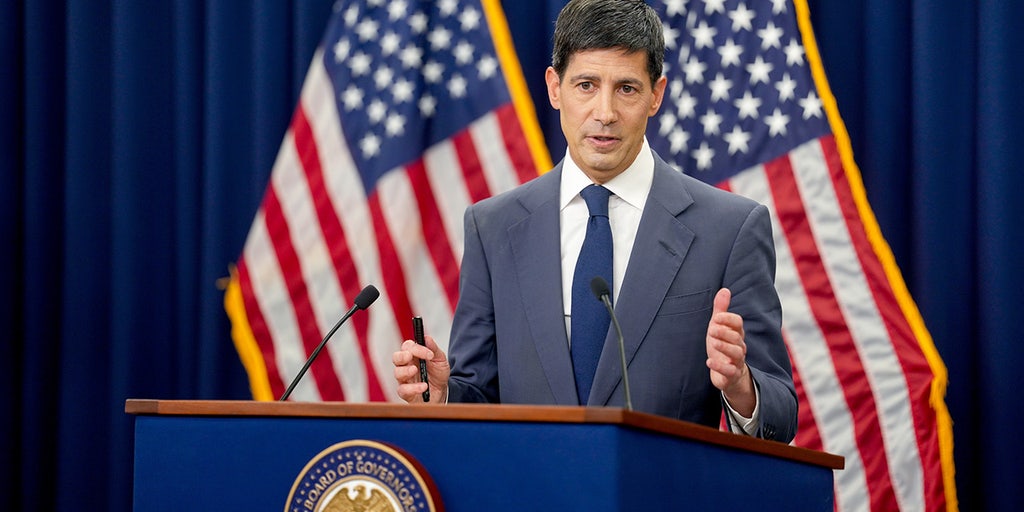
Kevin Warsh was sworn in Friday as the new chair of the Federal Reserve, taking control of the world's most influential central bank at a critical moment when President Trump's expectations for aggressive interest rate cuts appear increasingly unlikely to materialize. Warsh, a former Fed governor who served during the 2008 financial crisis, faces immediate pressure to balance Trump's political demands with the Fed's mandate to maintain price stability and full employment.
Warsh's appointment represents Trump's most significant effort to reshape monetary policy during his second term. The president has repeatedly called for substantial rate cuts to stimulate economic growth and offset the inflationary pressures created by his trade and immigration policies. However, current economic conditions—including persistent inflation concerns and a tight labor market—make dramatic rate reductions economically questionable and potentially counterproductive.
During his confirmation hearings, Warsh emphasized his commitment to Fed independence while acknowledging the political pressures facing the central bank. He pledged to base monetary policy decisions on economic data rather than political considerations, though observers note that his previous tenure at the Fed was marked by generally accommodative policies. Market analysts are closely watching for signals about Warsh's approach to the current interest rate environment.
The new Fed chair inherits an economy showing mixed signals that complicate monetary policy decisions. While unemployment remains relatively low, inflation has proven more persistent than initially expected, partly due to supply chain disruptions and energy price volatility related to ongoing geopolitical tensions. Consumer spending remains strong, but business investment has shown signs of cooling as companies grapple with regulatory uncertainty and trade policy changes.
Financial markets have responded cautiously to Warsh's appointment, with investors expressing uncertainty about the Fed's future direction. Bond yields have remained volatile as traders attempt to price in the likelihood of rate changes under the new leadership. Treasury markets are particularly sensitive to any hints about the Fed's approach to inflation fighting versus growth stimulation, with many analysts predicting that Warsh will face impossible political pressure to prioritize short-term economic growth over long-term price stability.