Senate Confirms Kevin Warsh as Fed Chair Amid Economic Uncertainty
President Trump's nominee takes control of monetary policy as Iran war complications raise inflation concerns.

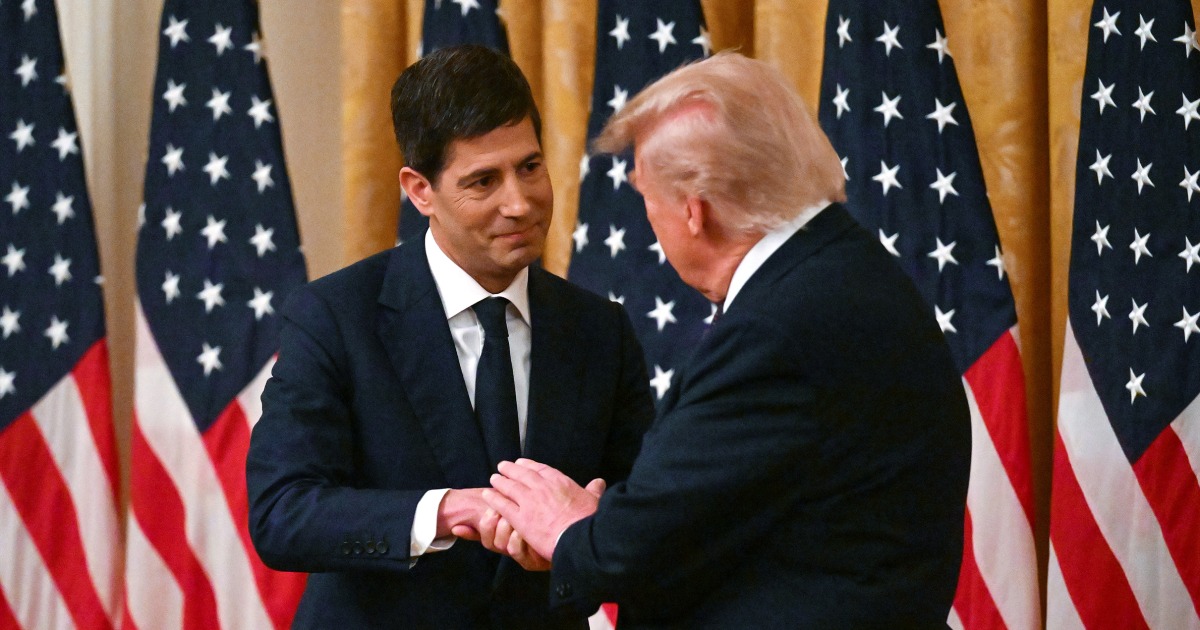
The U.S. Senate has confirmed Kevin Warsh as the new Federal Reserve Chairman, installing President Trump's nominee at the helm of the nation's central bank during a period of heightened economic uncertainty. Warsh, who previously served on the Fed Board of Governors from 2006 to 2011, replaces Jerome Powell at a critical moment when the ongoing war with Iran has contributed to rising inflation and volatile energy markets. The confirmation comes amid growing concerns about the Federal Reserve's ability to maintain its independence from political pressures.
Warsh's appointment represents a significant shift in monetary policy leadership as the economy grapples with the inflationary effects of the Iran conflict. Energy prices have surged dramatically since the war began in February, contributing to broader price increases across multiple sectors including food, transportation, and manufacturing. Economists warn that the full impact of these price pressures has not yet been felt throughout the economy, potentially forcing the new Fed chairman to navigate one of the most challenging inflation environments in decades.
The new chairman brings extensive experience from both his previous Fed tenure and his career in private finance, having worked at Morgan Stanley before his initial government service. During his earlier Fed stint, Warsh was involved in crafting responses to the 2008 financial crisis and has been a vocal advocate for more structured approaches to monetary policy. His confirmation hearing focused heavily on his plans for addressing current inflationary pressures while maintaining the Fed's dual mandate of price stability and full employment.
Senators from both parties raised questions during the confirmation process about Warsh's ability to resist potential political interference from the Trump administration. Several Democratic senators expressed concerns about maintaining the Fed's traditional independence, particularly given President Trump's history of publicly criticizing Fed policies during his previous term. Warsh assured lawmakers that he would prioritize data-driven decision-making and stressed his commitment to the Fed's institutional independence regardless of external political pressures.
Warsh assumes leadership as the Federal Reserve faces complex decisions about interest rate policy in response to Iran war-related economic disruptions. The central bank must balance the need to combat rising inflation against the risk of triggering a recession through overly aggressive monetary tightening. Financial markets are closely watching for signals about the new chairman's policy direction, particularly regarding how quickly the Fed might raise interest rates to address current price pressures. Warsh's first major test will likely come at the Federal Open Market Committee meeting scheduled for next month, where policymakers will assess the latest economic data and determine appropriate responses to ongoing inflationary trends.