Jerome Powell Steps Down as Fed Chair in 'Regime Change' Moment
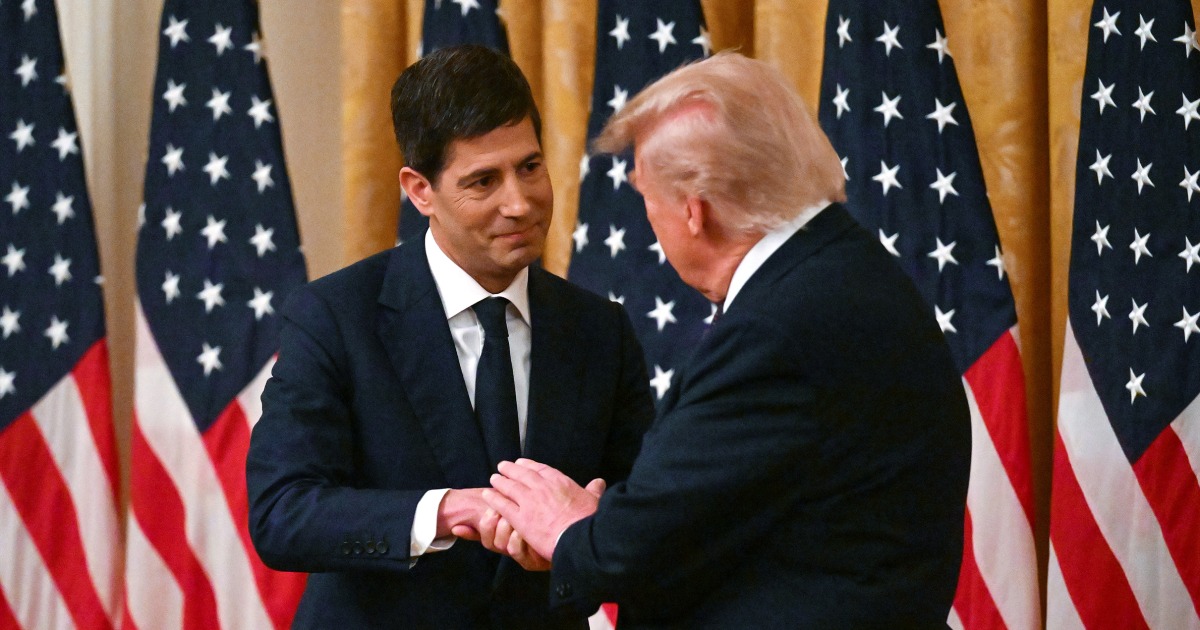
Kevin Warsh takes over as Federal Reserve chairman as Trump administration pushes for institutional overhaul of the central bank.

Jerome Powell is officially stepping down as chairman of the Federal Reserve, marking the end of his tenure at the helm of America's central banking system. The transition comes as President Trump's nominee, Kevin Warsh, prepares to take over leadership of the institution during a period the incoming chair has described as requiring significant reform. The leadership change represents what many economists view as a pivotal moment for the Fed's future direction and independence.
Warsh, who previously served on the Federal Reserve Board from 2006 to 2011, has been vocal about his belief that the institution needs substantial changes. According to sources familiar with his thinking, Warsh has indicated the Federal Reserve requires what he terms an "overhaul" to better serve the American economy. His appointment signals a potential shift in the central bank's approach to monetary policy and its relationship with the executive branch.
The transition occurs at a critical juncture for the U.S. economy, with inflation and interest rate policy remaining key concerns for policymakers and markets alike. Powell's departure marks the end of a tenure that included navigating the economic challenges of recent years, including pandemic-related economic disruptions and subsequent recovery efforts. His leadership style and policy decisions have been subject to both praise and criticism from various quarters throughout his time in office.
Warsh's background includes experience in both government and private sector roles, having worked in investment banking before his previous Fed service. His return to the central bank comes with expectations that he will implement changes aligned with the Trump administration's economic priorities. Industry observers are closely watching for signals about how his leadership might affect the Fed's traditional independence from political influence.
The leadership transition at the Federal Reserve represents more than just a personnel change, potentially signaling a broader shift in how the institution approaches its dual mandate of price stability and employment. Market participants and economic analysts will be monitoring Warsh's early decisions and policy statements for indications of the "regime change" he has suggested is necessary for the central bank's future effectiveness.