Kevin Warsh Vows to Shrink Fed's $6 Trillion Balance Sheet as Trump's Central Bank Pick
President Trump's nominee to lead the Federal Reserve wants to overhaul the central bank and reduce its massive market footprint.
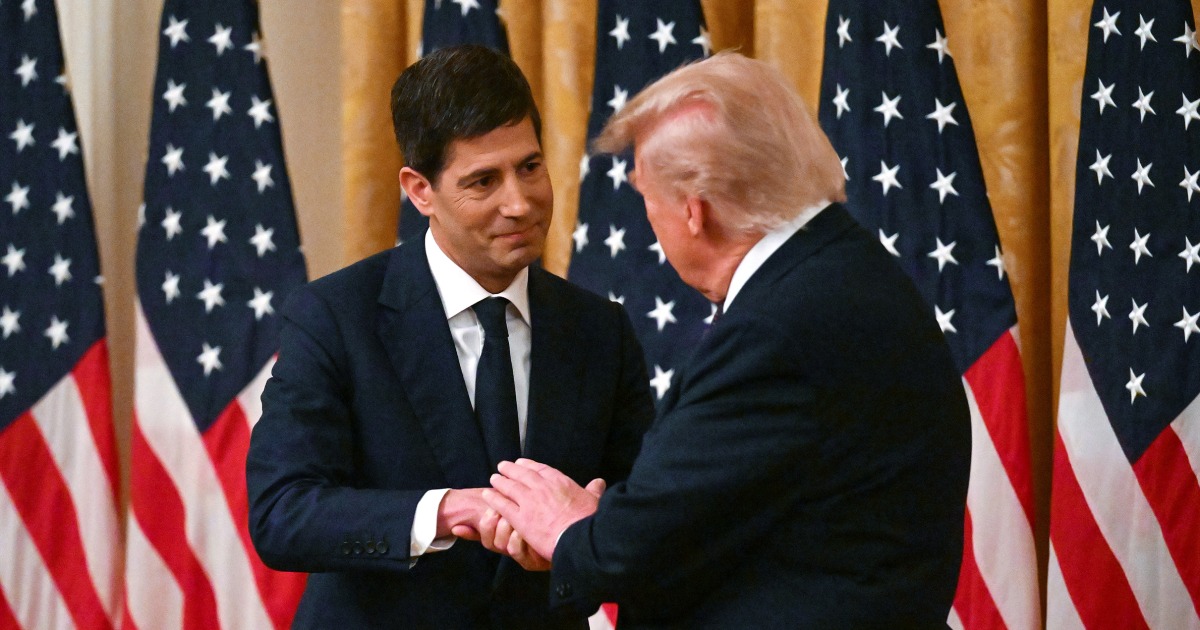
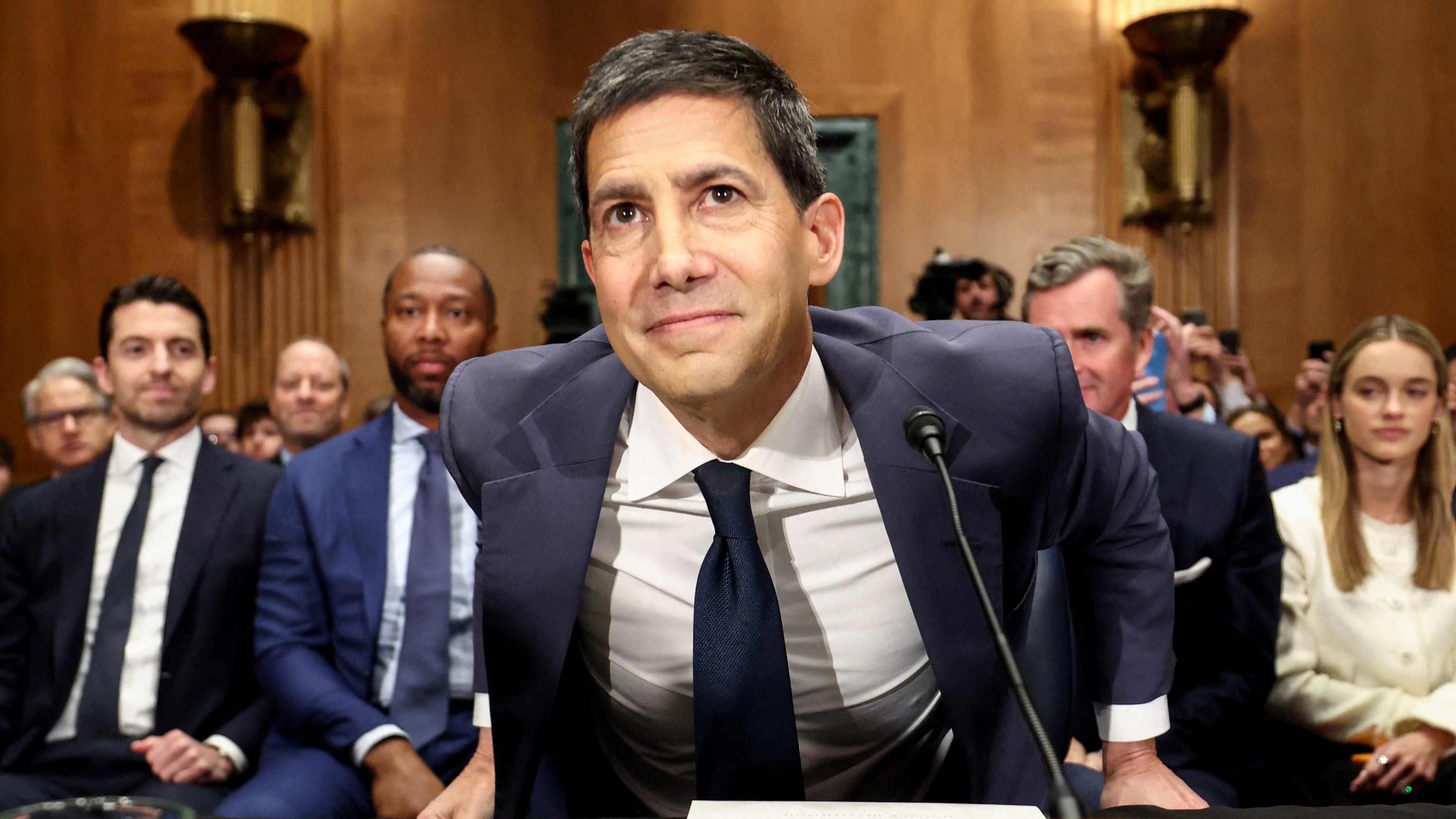
President Trump's nominee to become the next chair of the Federal Reserve is preparing a dramatic overhaul of the central bank, including significant changes to its more than $6 trillion balance sheet. Kevin Warsh, who previously served on the Fed's Board of Governors from 2006 to 2011, has outlined ambitious plans to reduce the Federal Reserve's footprint in financial markets during his confirmation process.
Warsh's appointment comes at a critical time for monetary policy, as the central bank continues to grapple with the economic aftermath of recent global events. The Fed's balance sheet, which expanded dramatically during previous crises, has remained at historically high levels, prompting concerns from some economists and policymakers about the central bank's outsized role in markets.
The nominee's plans would represent a significant departure from current Fed policy. Warsh has advocated for a more limited role for the central bank in market operations, arguing that the Fed's extensive holdings of Treasury securities and mortgage-backed securities have distorted normal market functioning. His approach would likely involve allowing securities to mature without replacement, gradually reducing the balance sheet over time.
The confirmation process has been smoothed by the Justice Department's recent decision to drop its criminal investigation into current Fed Chair Jerome Powell's handling of the Federal Reserve's renovation project. This development removes a potential obstacle to Warsh's confirmation, as it eliminates concerns about ongoing legal complications surrounding the central bank's leadership.
Warsh's nomination reflects Trump's broader economic agenda, which emphasizes reducing government intervention in markets and promoting private sector growth. If confirmed, Warsh would inherit an institution facing numerous challenges, including questions about inflation policy, financial stability, and the appropriate role of central banking in the modern economy. His success in implementing these changes will largely depend on building consensus among Fed governors and navigating complex financial markets without disrupting economic stability.