Supreme Court Skeptical of Boulder's Climate Suit Against Exxon and Suncor on Term's First Day
Conservative justices warned of 'chaos' if states can sue oil companies over climate change, while Kagan and Jackson pressed the companies. Justice Alito sat out the case.
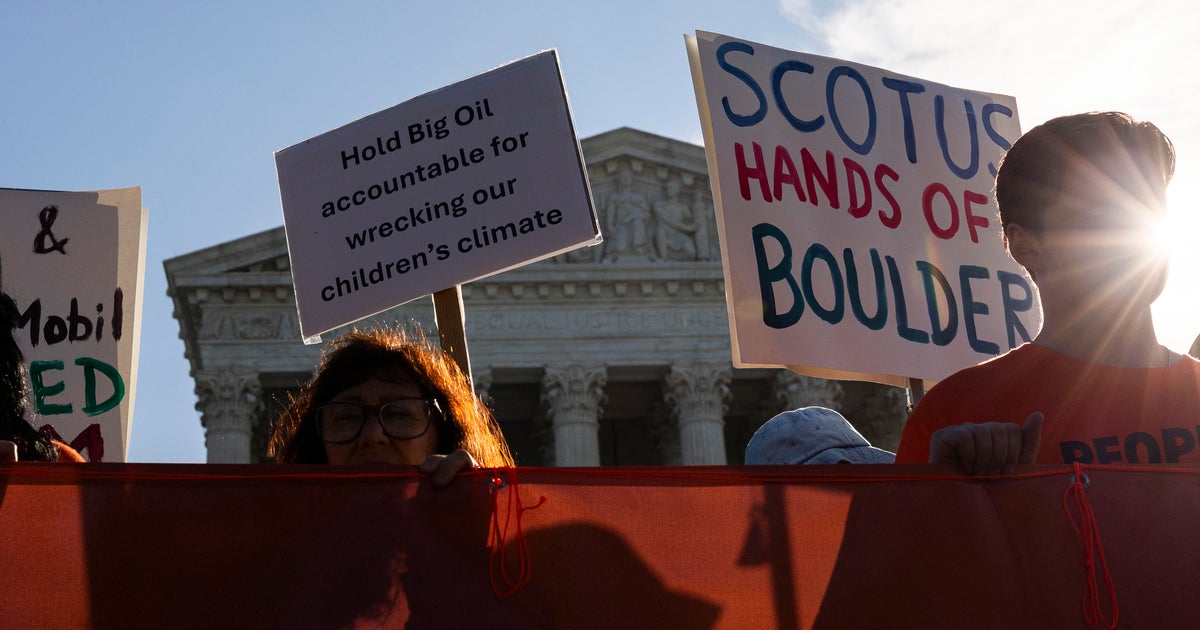
The Supreme Court opened its new term on Monday with a case that could decide whether American cities and states can use state tort law to make fossil fuel companies pay for the damage caused by climate change, and the conservative majority sounded wary of letting the lawsuit go forward.
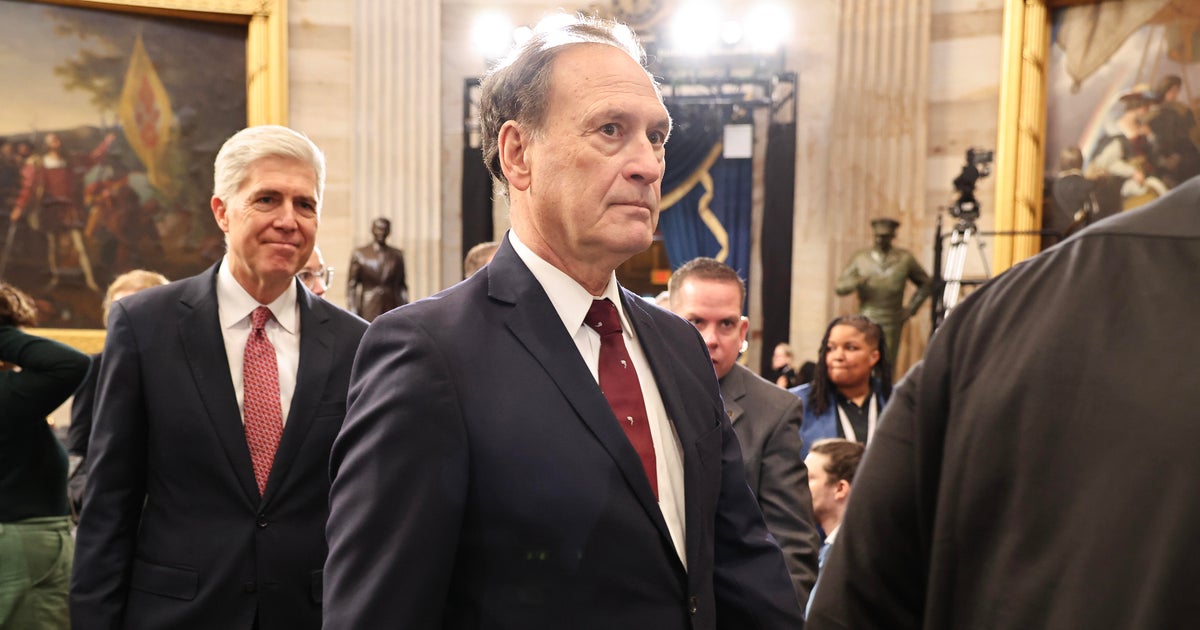
Eight justices heard nearly two hours of argument in Suncor Energy (U.S.A.) v. Commissioners of Boulder County. Justice Samuel Alito recused himself without explanation. His 2025 financial disclosures showed holdings in ConocoPhillips and Phillips 66. A decision is expected by the summer of 2027.
Boulder, Colorado, and surrounding Boulder County sued Exxon Mobil and Suncor in 2018. They say the companies' fossil fuel production and marketing contributed to climate impacts including wildfires, extreme heat and damage to local ecosystems. The Colorado Supreme Court allowed the case to proceed, and the companies appealed. The Trump administration is backing the energy companies.
Kannon Shanmugam, the lawyer for Exxon and Suncor, argued that federal law pre-empts state-law climate claims. He warned that allowing Boulder's case would let "90,000 municipalities" reshape "national and international energy policy." Sarah Harris, arguing for the Trump administration, urged the justices to end the case. Justice Brett Kavanaugh repeatedly said that Supreme Court decisions going back to 1972 show interstate air and water pollution is a matter of federal law. Several conservative justices described the prospect of thousands of local suits as a recipe for chaos.
Kevin Russell, representing Boulder, said the suit is aimed at deceptive marketing and production practices, not at emissions that the Clean Air Act regulates. He told the court the city and county want the companies to "bear their fair share of local costs."
Some of the liberal justices pushed back on the companies. Justice Elena Kagan compared the wave of climate litigation to the state-level lawsuits against tobacco companies in the 1990s and against opioid makers in the 2010s, and asked whether those cases should also have been blocked as pre-empted. Justice Ketanji Brown Jackson questioned whether the case had reached the Supreme Court too early, noting that the Colorado Supreme Court has not yet ruled on other federal-law defenses the companies have raised. Justice Amy Coney Barrett questioned a central part of the oil companies' argument.
The case is one of dozens of climate suits filed by state and local governments against the oil industry. The companies have fought to move them out of state courts and to have them dismissed. A ruling for the companies could end most of those cases. A ruling for Boulder would let them go to discovery and trial.
The argument also opened a term that includes fights over an AR-15 ban, religion and deportation. The court heard a second case Monday, Johnson v. United States Congress, which asks whether a veterans' benefits law bars district courts from hearing challenges to acts of Congress. The October session runs through Oct. 14.