Exxon and Chevron Bank $26.5 Billion in Three Months While Gas Sits at $4.11 a Gallon
Chevron's profit nearly quadrupled and Exxon's doubled as the Strait of Hormuz blockade pushed Brent crude past $100. Senator Sheldon Whitehouse wants a windfall tax; Exxon's CEO calls that short-sighted.
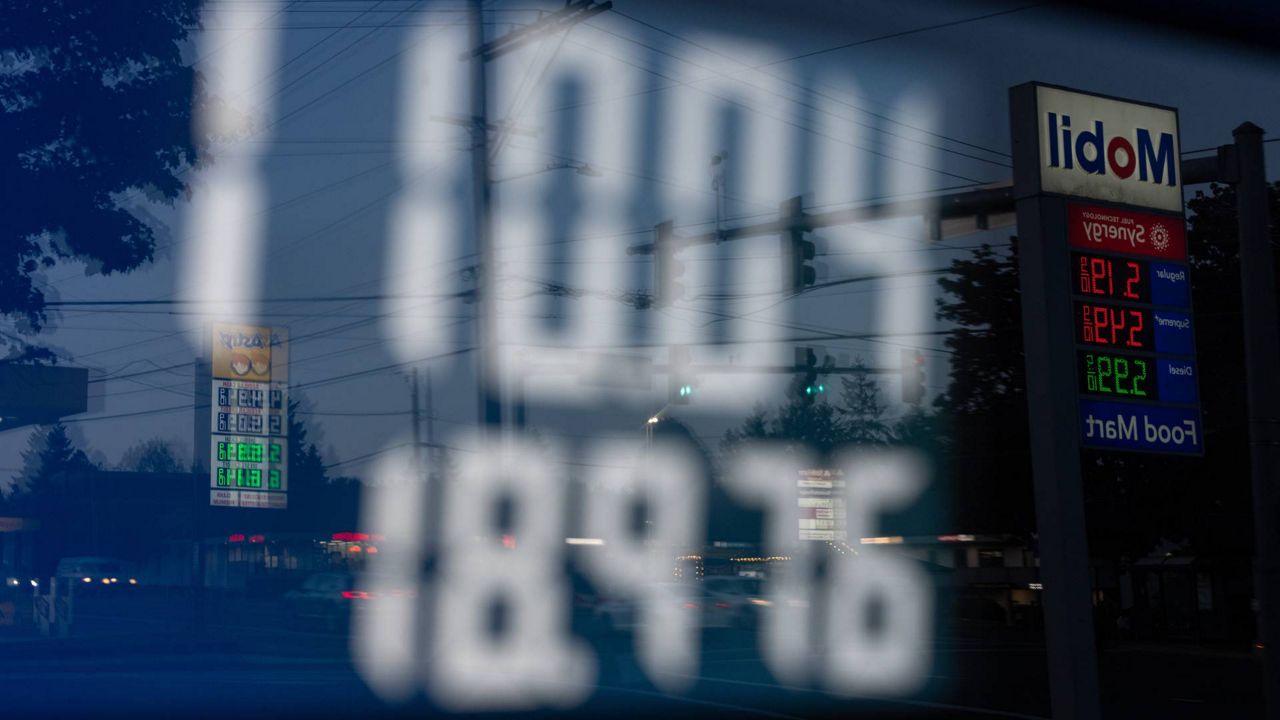
The war that has kept American drivers paying more than $4 a gallon all summer produced one of the most profitable quarters in the history of the oil business.
Exxon Mobil reported Friday that second-quarter profit doubled to $14.53 billion, on revenue of $116.02 billion — up 42% from a year earlier. That works out to roughly $160 million a day. Chevron's profit nearly quadrupled to $12.07 billion, from $2.5 billion in the same quarter last year, with revenue up 56% to $70.06 billion. Combined, the two American majors booked $26.5 billion in three months. Shell, reporting a day earlier, posted adjusted earnings of $9.84 billion, more than double its year-ago figure and its second-highest quarterly result on record.
The arithmetic behind those numbers is simple and it runs through the Strait of Hormuz. The conflict between the United States and Iran halted most shipping through the waterway that had carried roughly a fifth of the world's oil and natural gas. Brent crude, which started the year near $70 a barrel, climbed above $100 and touched $126 at its peak between March and May. U.S. crude swung between $68 and $115 during the quarter. Refining margins widened at the same time, giving the integrated majors a second source of gain.
Drivers absorbed the difference. Regular gasoline averaged $4.11 a gallon on Friday, about a dollar more than a year ago. Diesel is running roughly 41% higher in the United States than before the blockade. Brown University's Climate Solutions Lab estimates the conflict has cost American consumers more than $76 billion in higher gasoline and diesel prices. Beyond U.S. borders the strain has been sharper still: fuel shortages triggered sporadic rationing in Australia, and government offices closed in Nepal and Sri Lanka to conserve supply.
The results landed in the middle of a fight on Capitol Hill. Democrats introduced windfall profits tax bills in March that would redirect a share of the majors' gains back to consumers, and the latest earnings gave that push new fuel. "It's fair to put a windfall profits tax on inordinate profits rather than cut children's food programs," Senator Sheldon Whitehouse said. Patrick Galey of Global Witness was blunter: "When you compare that to the hundreds of millions struggling with blackouts, we don't think that's justifiable."
Exxon chief executive Darren Woods rejected the framing, arguing the companies kept supplying markets through the disruption. "Penalizing businesses who stood by those countries is very short-sighted," he said.
Wall Street's reaction was mixed. Chevron's adjusted earnings of $6.06 a share beat analyst estimates by 50 cents. Exxon's $3.52 a share came in 8 cents light, a rare miss in a quarter this strong — a reminder that even at $100 oil, production costs and asset write-downs still bite.
Originally reported by Associated Press via Spectrum News.