Supreme Court Opens Term Monday With Climate, AR-15, Religion and Deportation Fights
A docket loaded with politically charged cases begins with a six-justice conservative majority and the likelihood of more election disputes arriving on the emergency docket.
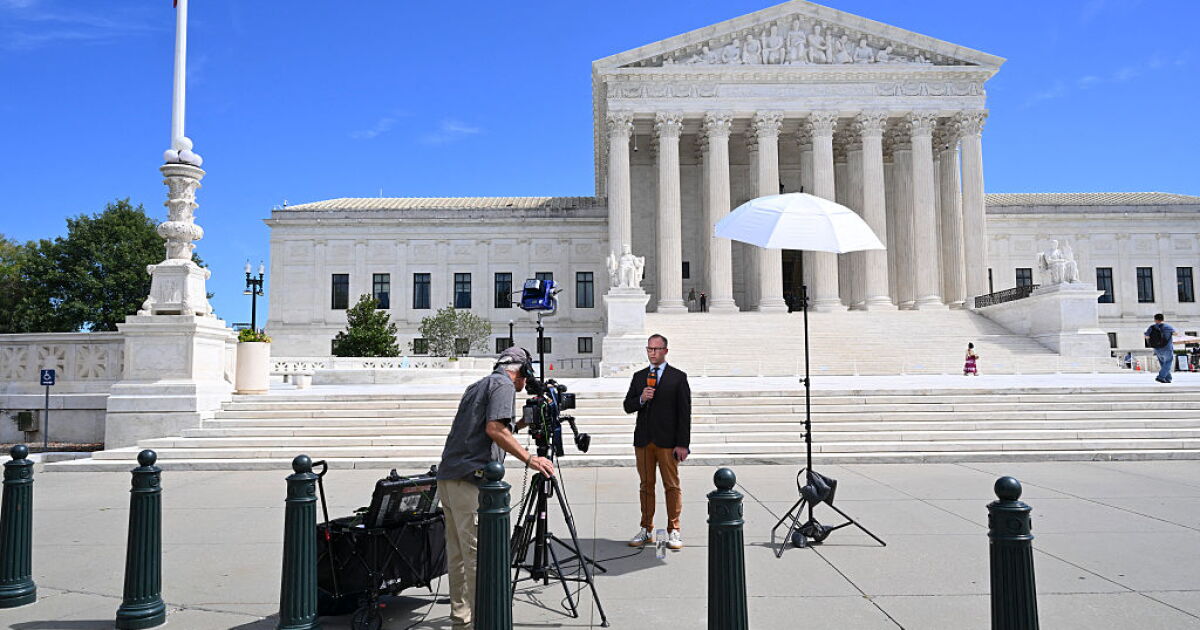
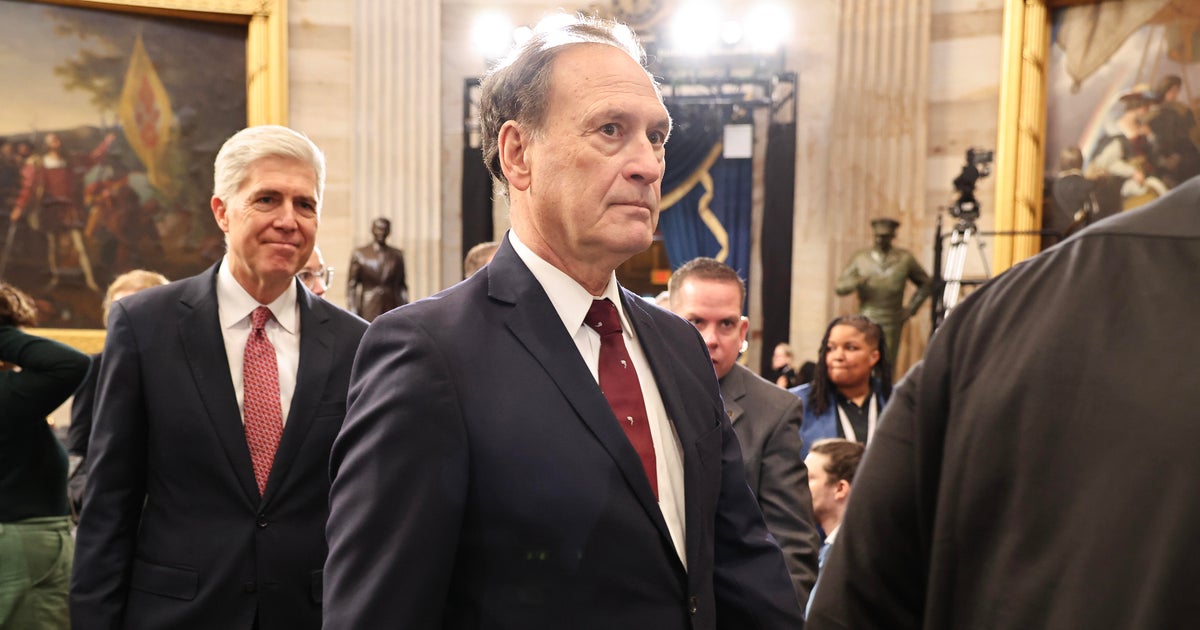
The Supreme Court begins its new term Monday with a docket full of cases that touch some of the most divisive questions in American life: climate change, religion, guns, immigration and elections. The court, which has six conservative appointees, will hear them as the midterms approach and as the Trump administration keeps bringing urgent requests to the justices.
One of the first major disputes involves climate change. State and local governments have sued energy companies, accusing them of deceiving the public for years about the damage caused by fossil fuels. Harvard Law professor Deepak Gupta told NPR that the governments' core theory is that the companies misled people about climate impacts their own scientists understood.
A religion case from Colorado may be the term's most consequential. St. Mary Catholic Parish wants to take part in the state's preschool funding program while declining to admit LGBTQ students. The question is whether taxpayers can be required to fund religious schools that exclude them. The conservative majority has repeatedly sided with religious groups seeking exemptions from state rules, and a ruling for the parish could widen that line of decisions.
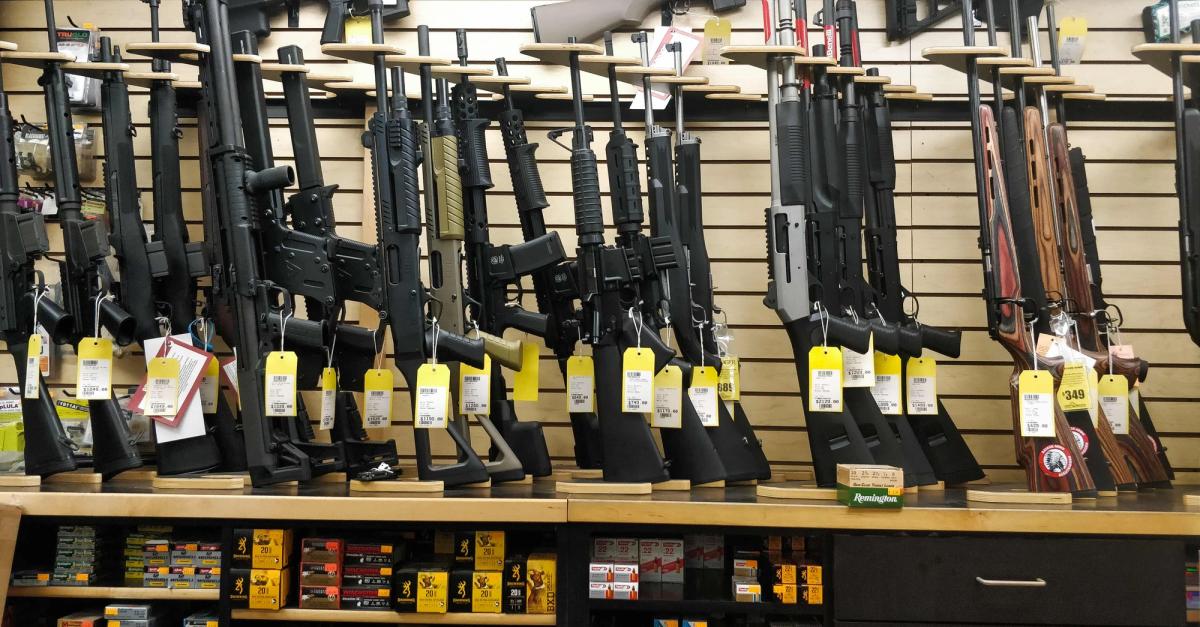
In December the court will take up a challenge to a ban on AR-15-style rifles, testing how far the Second Amendment reaches. Millions of Americans own the weapon, and former Solicitor General Don Verrilli pointed to its rate of fire in making the case for restrictions.
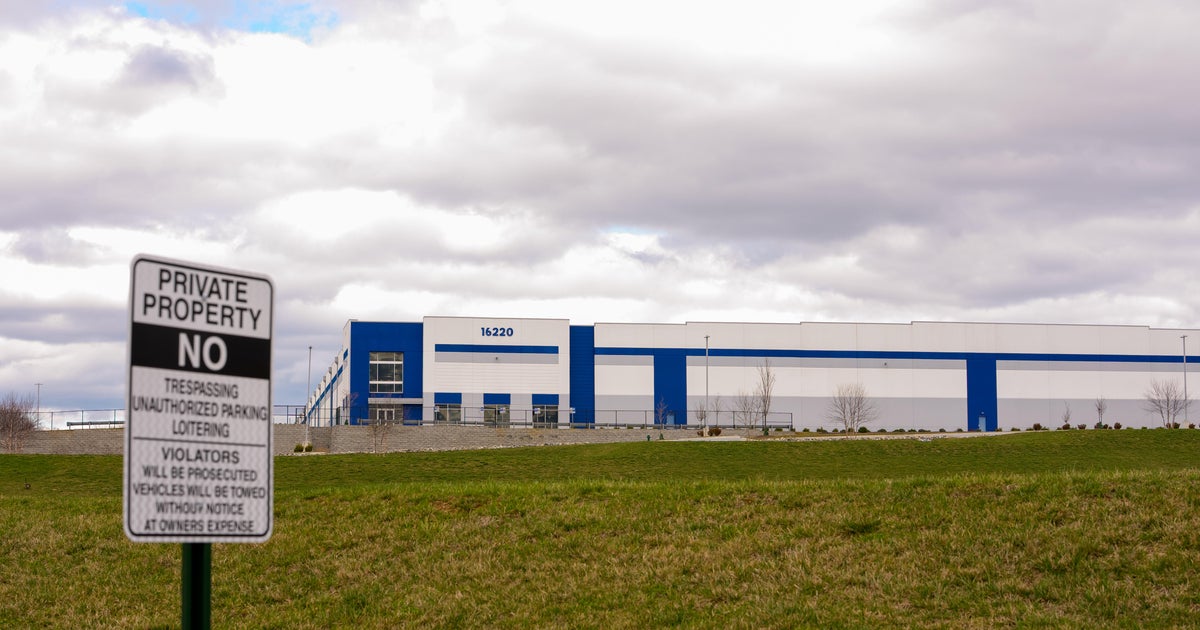
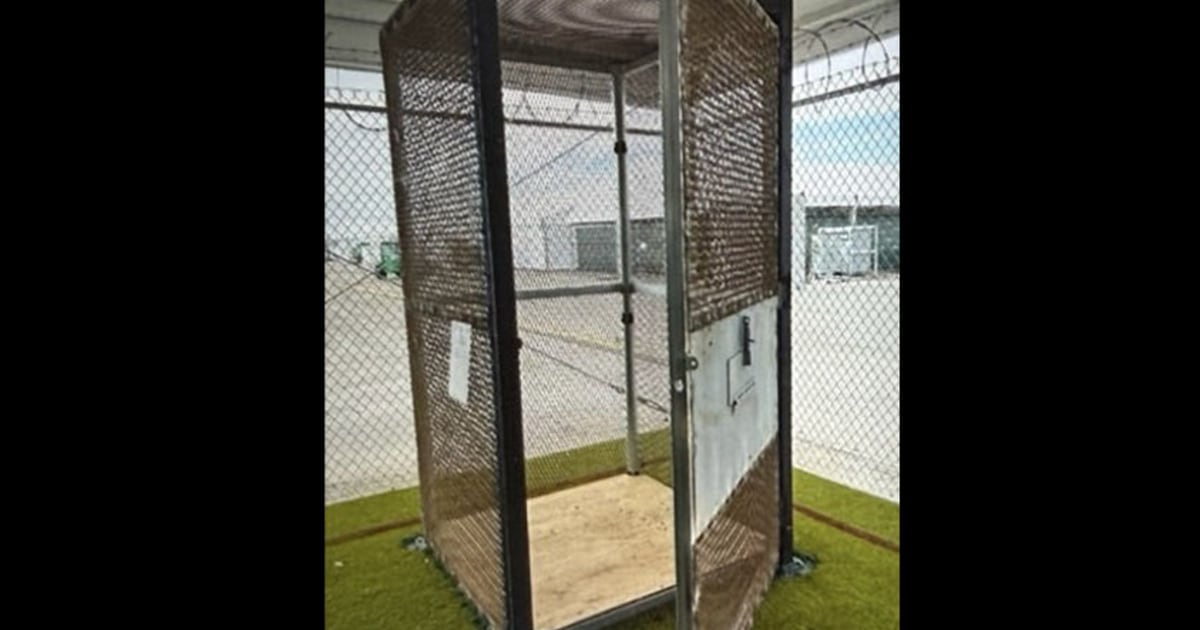
Immigration is the other major theme. In December the justices will hear arguments over the administration's policy of deporting migrants to countries where they have no connection. The court has twice allowed the policy to continue while litigation went on, including a ruling last week that let deportations resume. On Thursday it also agreed to hear Rhoney v. Barbosa da Cunha, a challenge to a July 2025 policy requiring that immigrants who entered the country without inspection be held without a bond hearing, even if they crossed the border decades ago. Most lower courts have found indefinite detention without a hearing unlawful, though the Fifth and Eighth circuits upheld the policy.
More cases could be added. NPR reported that the court may be asked to revisit its 1980 precedent barring the Ten Commandments in public school classrooms, and to decide whether states can regulate the prediction market Kalshi.
Election law is likely to come through the emergency docket rather than the regular calendar. With the Nov. 3 midterms a month away and election-related litigation likely to reach the court, the justices may be asked to rule quickly, sometimes with little explanation.
The court's rulings will draw intense attention, with decisions on climate liability, school funding, guns and detention scheduled to arrive by the end of June, in the middle of a presidential campaign cycle.