ICE Lost $20 Million on Warehouses It Won't Use, Government Watchdog Finds
A GAO report says the agency's rush to double detention capacity skipped basic planning, while $1.55 billion still sits with a title insurer for future purchases.
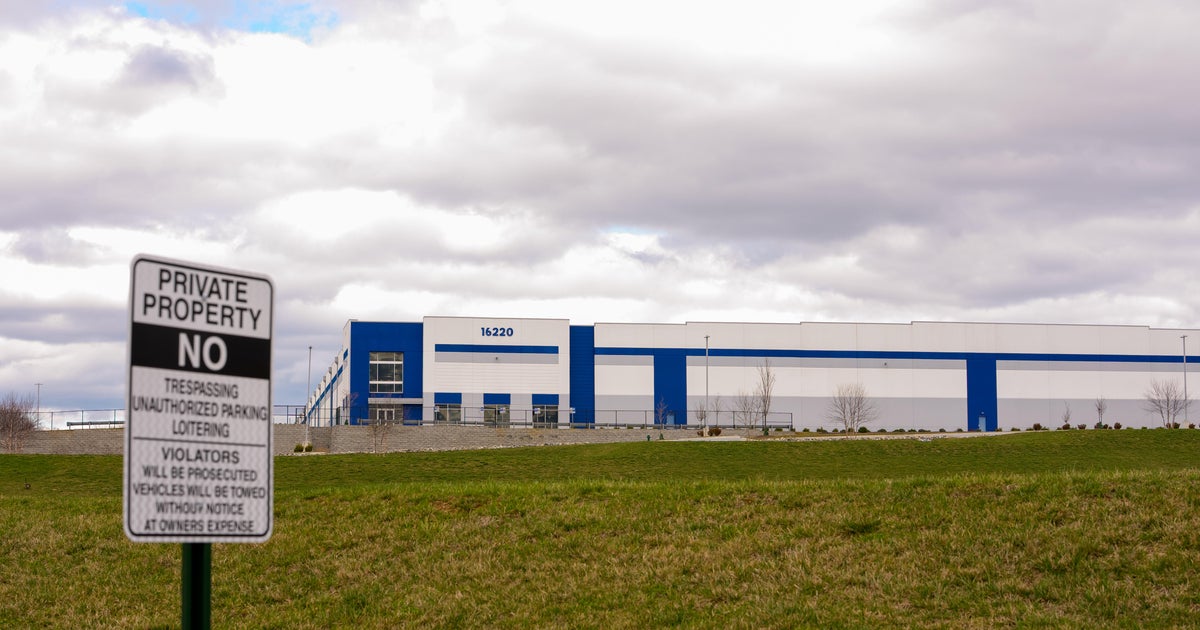
Immigration and Customs Enforcement wasted millions of taxpayer dollars in its race to expand detention capacity, the Government Accountability Office concluded in a report released Thursday. The watchdog found the agency failed to account for long-term costs when buying detention sites and lost $20 million in unrecoverable costs on warehouses it no longer plans to use.
The spending spree began with a single day in January, when ICE spent more money than on any other day in either of President Trump's terms, according to federal spending records reviewed by CBS News. The agency advanced billions of dollars in escrow to Chicago Title Insurance to acquire detention facilities. Over the next two months, it used $1.07 billion of that money to buy 11 warehouses it meant to convert into detention megacenters. It now plans to sell seven of them. CoStar, a real estate analytics firm, found ICE paid an 11% to 13% premium on the purchases.
After abandoning the warehouse plan, ICE moved $2.2 billion from Chicago Title in July and August to buy four detention centers from the private prison company CoreCivic, which it separately pays to keep running them. Two California facilities cost $1.47 billion, and two more in Kansas and Minnesota cost a combined $734 million. Barring undisclosed purchases, $1.55 billion still sits with the title company. This week alone, ICE awarded contracts that could reach a combined $10 billion to expand and build new facilities.
"We just saw a real lack of planning overall," said Heather MacLeod, director of Homeland Security and Justice at GAO. "The lack of planning has really led to stops and starts which have ultimately resulted in waste." The report found ICE had forecast costs for its new centers only three years out, with no plan for paying for them once the money Congress provided through 2029 runs out. ICE said it would produce a strategic plan by Aug. 31, 2027, a date the watchdog said was not soon enough.
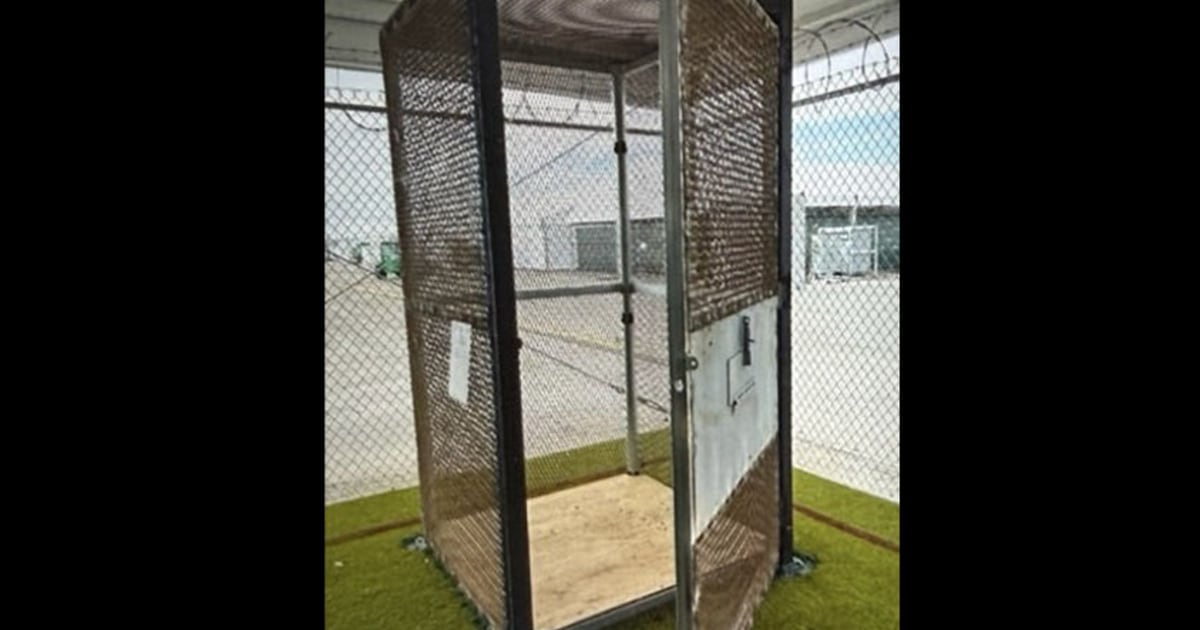
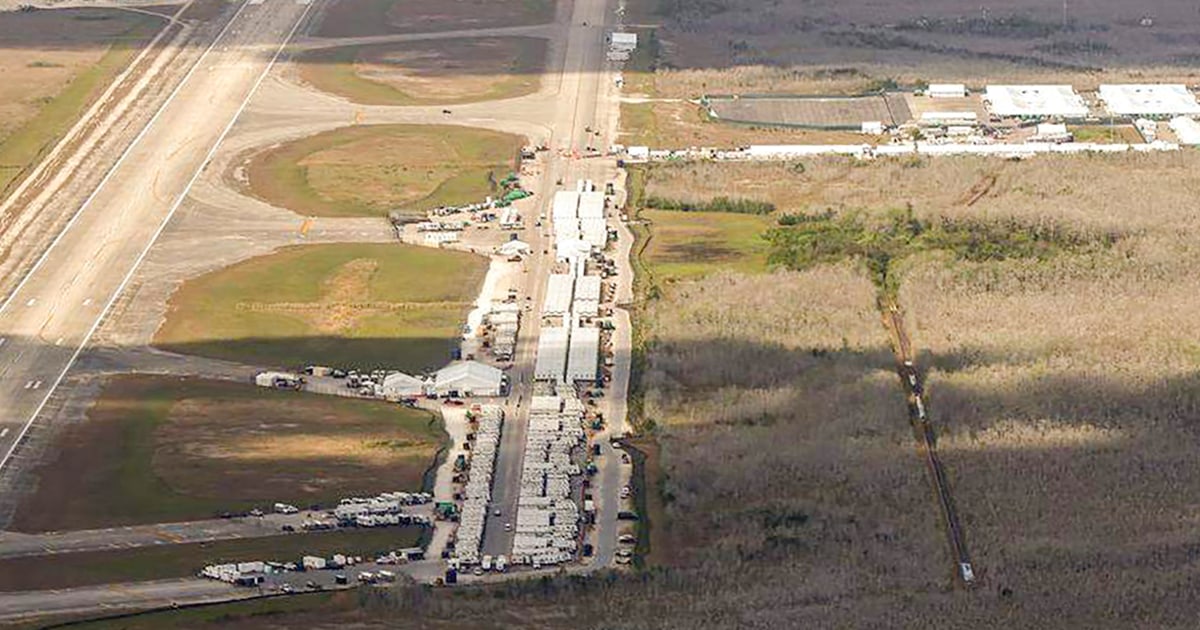
The auditors also flagged deals that cost far more than the norm. Through FEMA reimbursements, ICE paid Florida almost triple its typical per-bed rate for two state-run sites, including the now-closed facility known as "Alligator Alcatraz," for which FEMA paid a total of $608.4 million. ICE skipped normal contract negotiations and created a grant program for which Florida was the only eligible recipient. Beds at Bureau of Prisons facilities are running at double ICE's median rate. The agency also spent $2.85 million on tents at Guantanamo Bay that were never used, and a previous GAO review found $7.1 million spent on unneeded meals at Camp East Montana in El Paso.
The money came largely from the One Big Beautiful Bill Act, which sent ICE $75 billion, including $45 billion for detention. The agency spent $19 billion from last October through July, up from $11 billion in the previous full fiscal year. Kevin McNellis, a former Congressional Budget Office analyst, said funding outside the normal appropriations process has weakened oversight. "We have an unprecedented amount of money, appropriated outside those long-standing processes, trying to be spent very quickly," he told CBS News.
A DHS spokesperson said ICE is "working at turbo speed on cost-effective and innovative ways" to carry out mass deportations. DHS's inspector general is running its own audit of the detention purchases, and MacLeod said a second GAO review of ICE spending is already underway.