GAO Says $110 Billion of DOGE's Claimed Savings Was Wrong or Backed by Nothing at All
The government's own auditors could not verify 96% of the grant savings the Department of Government Efficiency advertised, and found that 108 of the 264 leases it took credit for cancelling were already being cancelled before it existed.
The Government Accountability Office released a report Thursday that takes apart the central public artifact of the Department of Government Efficiency: the running "wall of receipts" that DOGE used to show taxpayers how much it was saving them. The auditors found that as of July 7, 2026, some $110 billion in savings DOGE claimed from cancelled federal contracts, leases and grants was either incorrect or unsupported by evidence the agency was able to produce.
The failures the GAO catalogued are specific. Of the 264 federal leases DOGE said it terminated, 108 were already in the process of being eliminated before DOGE was created by executive order in January 2025 — meaning the office took public credit for cancellations that career property managers had already set in motion. In another case, DOGE reported $1.7 billion in savings from identifying a Pentagon Defense Health Agency information-technology contract for termination, but never actually terminated the contract or clawed back the funding.
The grant numbers fared worse. The GAO wrote that "DOGE did not provide sufficient information to verify the method used to calculate 96 percent of DOGE-reported savings" on grants. Auditors also said the office failed to apply its own published methodology consistently to the majority of savings tied to contracts it reported as terminated, and that DOGE did not respond to the GAO's requests for information or interviews during the review.
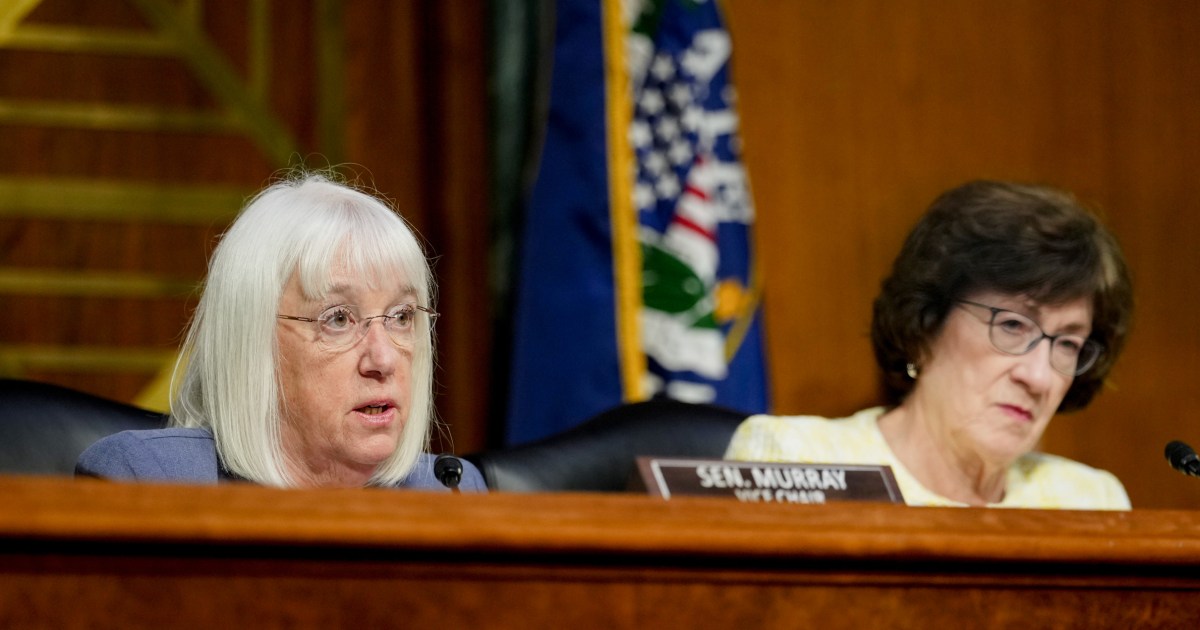
The report, numbered GAO-26-108615, covers claims made between January 20, 2025 and July 7, 2026, and was requested by Democratic Sens. Gary Peters of Michigan and Richard Blumenthal of Connecticut, the ranking members who pushed for an independent accounting after journalists repeatedly found errors in the receipts page. Both released the findings Thursday under the framing that DOGE misled the public about what it had accomplished.
DOGE itself no longer exists to answer. The office wound down operations on July 4, 2026, claiming roughly $215 billion in lifetime savings — about a tenth of the $2 trillion Elon Musk said it would find when the effort launched. Its final act, in the weeks before it closed, was to quietly delete several of the largest line items from the receipts page after reporters demonstrated the underlying contracts had not been cancelled.
The practical consequence is that there is now no reliable public number for what the two-year exercise actually saved. The GAO stopped short of producing its own estimate, saying the documentation it received was too inconsistent to support one. What the report does establish is that the figure DOGE put in front of the country was assembled without the paper trail that any federal program is normally required to keep, and that a substantial share of the savings it advertised belonged to somebody else or never happened.