FBI Told to Stop Investigating Confrontations With ICE Agents After Three Deadly Shootings, Sources Say
Written notice reached FBI managers that the bureau will no longer scrutinize whether immigration agents were assaulted before opening fire; the Justice Department and DHS deny any policy change.

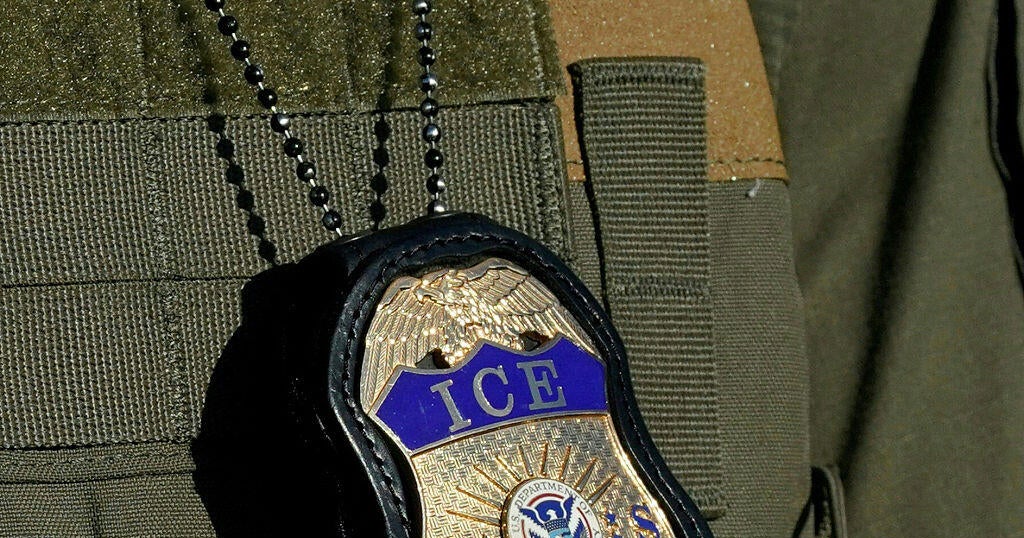
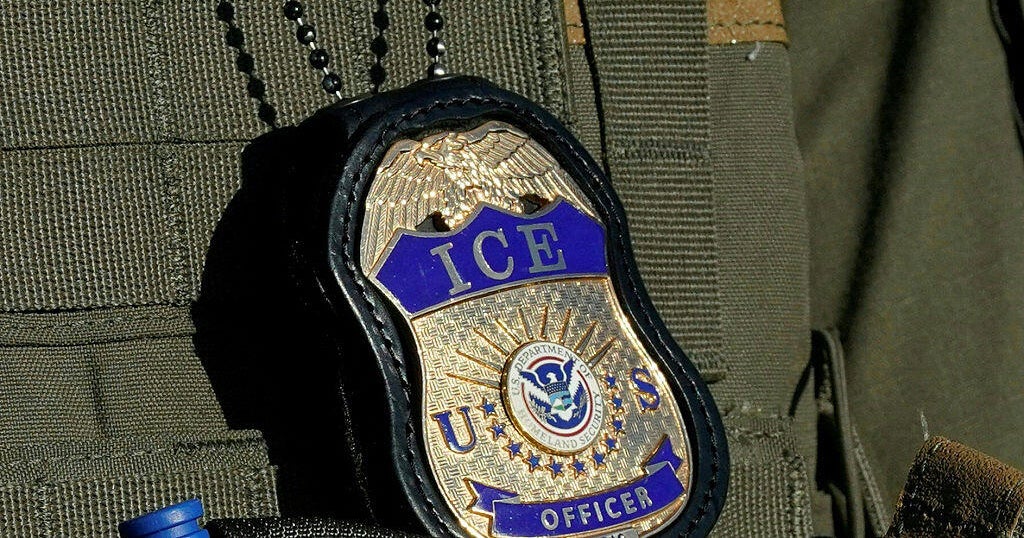
The FBI has told agents around the country that it will no longer investigate confrontations between the public and Immigration and Customs Enforcement officers, a shift that would strip away one of the few independent checks on the use of force by federal immigration agents, according to people briefed on the decision.
FBI managers received written notice of the change on Thursday, and some ICE personnel were subsequently informed by their FBI counterparts, sources told The New York Times. Under the Trump administration, when ICE agents have shot and killed people, the FBI had been assigned to examine a narrow but consequential question: whether the officers were assaulted before they opened fire. Those inquiries sometimes generated evidence that could be used to prosecute agents implicated in violent encounters.
The Justice Department and the Department of Homeland Security both denied that any such policy existed. But the reported change landed against the backdrop of a string of deadly incidents that have intensified scrutiny of aggressive immigration enforcement. Critics warn that removing the FBI from the equation would effectively leave ICE to investigate itself.
The timing is pointed. On July 7 in Houston, an ICE agent fatally shot Lorenzo Salgado Araujo, a Mexican immigrant who had lived in the United States for more than three decades, during a traffic stop as he drove to work with three passengers. Federal officials later acknowledged he was not the target of the operation. Days later, on July 13 in Maine, an ICE agent shot and killed a Colombian man identified as Joan Sebastian Guerrero, who was also in his vehicle, according to a spokesperson for Sen. Angus King, the Maine independent.
The reported directive also follows a decision by FBI Director Kash Patel to halt an earlier bureau investigation into the case of Renee Good, a step that civil-liberties advocates cited as evidence the agency was retreating from oversight of immigration operations. Taken together, the moves suggest a narrowing of the internal safeguards that have historically governed lethal force by federal officers.
Democratic lawmakers demanded answers, arguing that shielding ICE from independent review would embolden agents and endanger civilians caught up in raids and traffic stops. Immigrant-rights groups echoed the alarm, noting that the FBI's assault reviews have at times been the only mechanism producing an evidentiary record after a fatal encounter. The administration, for its part, has cast rising confrontations as a threat to agents' safety and defended its enforcement surge as necessary and lawful.