The Government Paid Federal Workers $9.5 Billion Not to Work Last Year, a Sixfold Jump From 2023. GAO Says $6.7 Billion of It Was DOGE's 'Fork in the Road' Buyout, and OPM Can't Track the Real Number.
Paid administrative leave rose 435% across 76 agencies covering 95% of the civilian workforce. OPM Director Scott Kupor says the cost was one-time and is dwarfed by $20 billion in recurring savings.
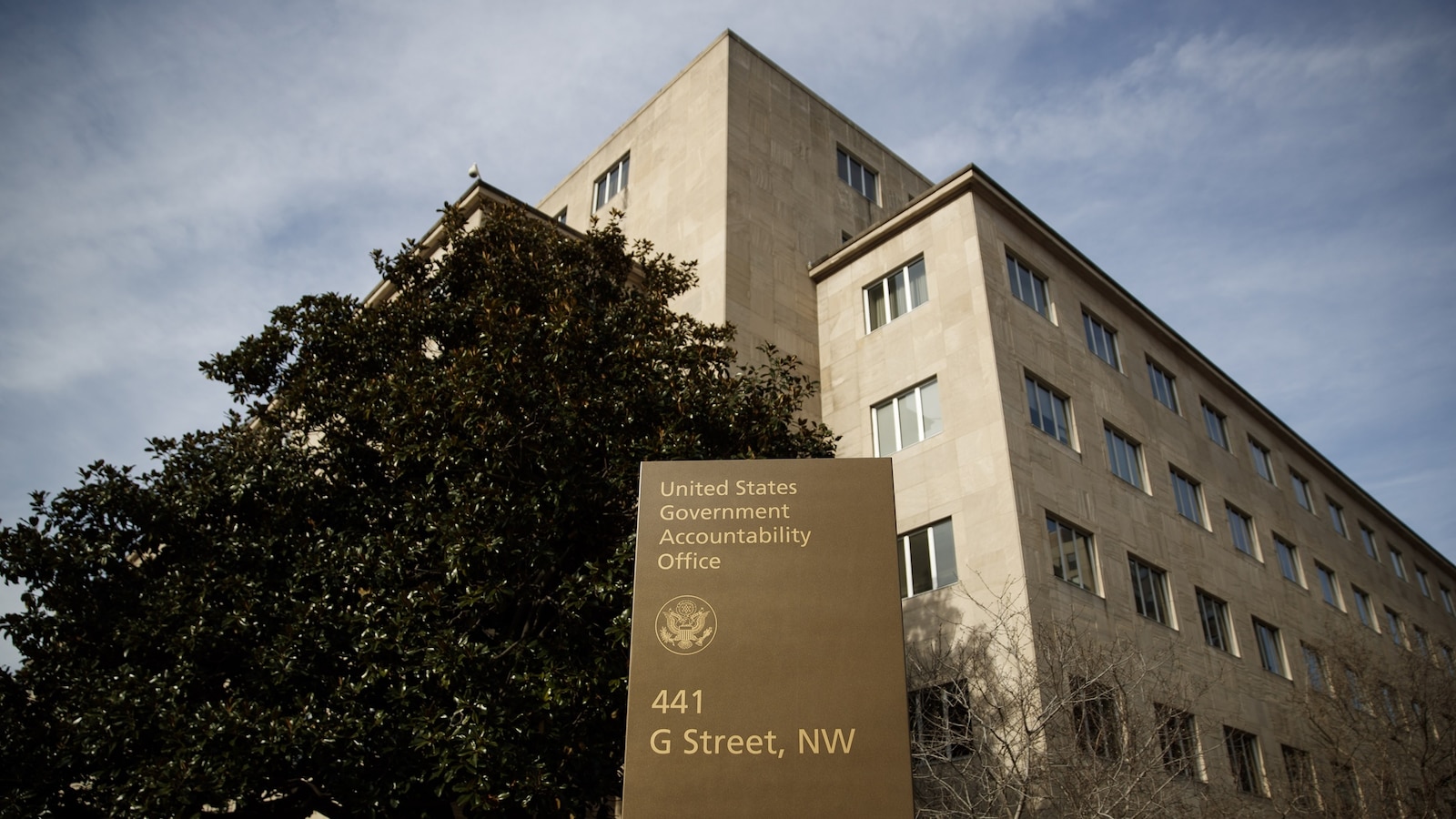
Federal agencies spent an estimated $9.5 billion in 2025 paying employees who were on administrative leave and not working, a sixfold increase over 2023, according to a Government Accountability Office report published Tuesday. The watchdog attributes roughly $6.7 billion of that total, about 70%, to the Trump administration's deferred resignation program, the buyout offer that the Department of Government Efficiency pitched to the workforce in a January 2025 email titled "Fork in the Road."
The GAO reviewed 76 agencies, including the 19 largest departments covered by the Chief Financial Officers Act, which together employ about 95% of the civilian federal workforce. It found that paid administrative leave rose 435% between 2023 and 2025. Under the program, employees who agreed to resign or retire within nine days could stop working immediately and keep drawing their salaries and benefits through September 30, 2025. About 144,000 employees took the offer, which OPM described as a "practical, humane, and voluntary option to accelerate workforce transitions in a system that desperately needed movement."
The figure lands between other estimates that have circulated in Washington. The Partnership for Public Service put the cost of the leave at $4.5 billion, while the advocacy group Public Citizen said it was at least $11 billion. The GAO cautioned that its own number could be overstated, because agencies do not track the buyout as a separate category of leave and sometimes report other absences, including holidays, as administrative leave. Between 2023 and early 2025, the report found, agencies logged 144% more paid administrative leave in pay periods that contained a public holiday than in those that did not, an error OPM does not plan to correct retroactively.
That gap is the core of the GAO's criticism. The Office of Personnel Management, the report says, "does not know the actual costs" of the leave it used to shrink the government, because its payroll systems cannot separate deferred-resignation hours from ordinary administrative leave once they are recorded. The watchdog made two recommendations: that OPM publicly disclose the unresolved reliability problems in its leave data, and that it create a dedicated category in its Enterprise Human Resources Integration system so future workforce reductions can be tracked. OPM agreed with both.
OPM Director Scott Kupor defended the program's economics. "The savings recur every year, while the administrative leave costs with the DRP were incurred once," he said in the agency's response, adding that $6.7 billion is less than 3% of annual federal payroll. OPM has said the buyout and related departures will save more than $20 billion a year. The federal workforce shrank by about 216,000 positions during 2025, according to figures cited by ABC News, though several departments have since rehired workers or brought on contractors to fill gaps.
The report adds to a growing body of official accounting that has complicated DOGE's claims. In August, the GAO found that roughly $110 billion of the savings DOGE had publicly claimed was either miscalculated or unsupported by any documentation, and the initiative formally wound down on July 4 asserting $215 billion in savings, about a tenth of the $2 trillion its architects had originally promised. Both the federal deficit and total spending rose over the same period.
Originally reported by ABC News.