Comey Asks Judge to Toss Third Attempt to Charge Him, This Time Without a Grand Jury
Prosecutors filed a criminal information alleging an Espionage Act violation tied to a 2016 news story; his lawyers say the charge is time-barred and that two U.S. attorney's offices already declined it.

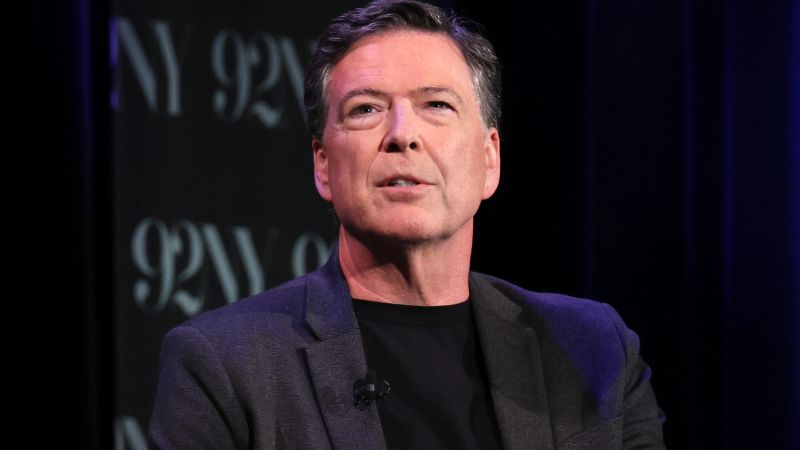
Former FBI Director James Comey is due back in federal court on Friday, where his lawyers will argue that the Justice Department's newest attempt to charge him should be thrown out before it gets any further.
It is the third time in just over a year that prosecutors have tried to bring a case against him. This time they are alleging that Comey sent national defense information to a person not legally permitted to receive it, in connection with a 2016 New York Times article, in violation of the Espionage Act. The alleged disclosure took place on Oct. 5, 2016.
Comey has not been indicted by a federal grand jury, and he has not been charged by a criminal complaint. Instead, prosecutors filed what is known as a criminal information earlier this month. That step does not require a grand jury's approval or a magistrate judge's finding of probable cause. The Justice Department says it took that route to preserve the case before a 10-year statute of limitations runs out.
Comey's lawyers called the filing "faulty" and asked a judge to dismiss it. They argue the charge is time-barred and that the document does not meet the statutory requirements for the extended 10-year limitations period. They also say two separate U.S. attorney's offices investigated that conduct and both declined to bring charges. After the filings were unsealed on Monday, his legal team said Comey "steadfastly maintains his innocence."
The Justice Department says the motion is premature and untimely because no indictment exists. In its words, "there is no indictment to be dismissed." Prosecutors also contend the statute of limitations has not expired because espionage offenses carry a 10-year limit, and they argue a criminal information can stand in for an indictment in a felony case. After an emergency hearing earlier this month, the department agreed not to seek an indictment for 30 days, according to Comey's attorneys.
The earlier cases went poorly for the government. In September 2025, Comey was indicted on a charge of lying to Congress. A judge later dismissed it after finding that the Trump-appointed prosecutor who oversaw the case, Lindsey Halligan, had been unlawfully appointed. Earlier this year he was charged in a separate case with threatening President Trump over an Instagram post that showed seashells arranged to spell "86 47." His lawyers argue that case is politically motivated and have asked for dismissal on grounds of selective and vindictive prosecution. The judge in North Carolina overseeing it has not yet ruled on those motions.
Trump fired Comey as FBI director almost a decade ago, and Comey's lawyers have consistently described the prosecutions as politically driven. Comey has said publicly that he remains innocent.
The legal question on Friday is narrow but consequential. If the judge agrees that a criminal information cannot carry the extended limitations period, the case could end without a trial. If the judge sides with prosecutors, the government will have kept the case alive without ever putting it before a grand jury.