Mexico Arrests Uruapan Official Over Alleged Cover-Up of Mayor Carlos Manzo's Killing
Prosecutors in Michoacán detain the city's welfare secretary on a concealment charge, bringing arrests in the case to 34, nearly a year after the anti-cartel mayor was shot dead.
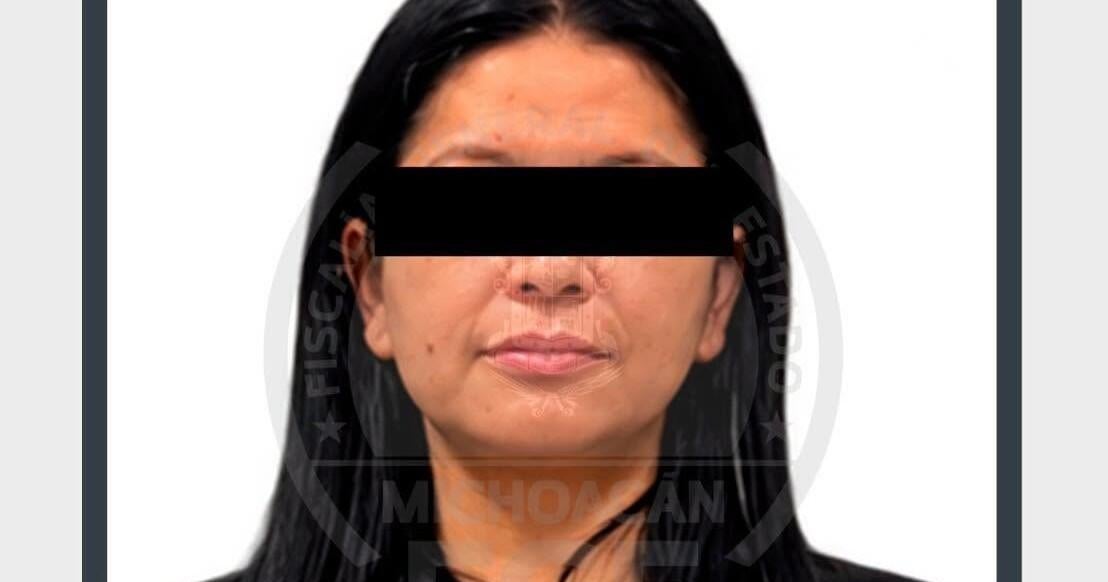
Mexican authorities have arrested a senior city official in Uruapan on suspicion of helping cover up the assassination of Mayor Carlos Manzo, the latest step in an investigation that has now led to 34 arrests.
Michoacán state prosecutors announced on Thursday that they had detained Rosa Alejandra Vargas, the welfare secretary of Uruapan, "for her probable responsibility in the crime of concealment." The charge means she is accused of helping hide the crime, not of carrying it out. State prosecutor Israel Vega said Vargas is related to several people already arrested in the case and that she had failed to appear when investigators summoned her.
Manzo, 40, was shot in Uruapan last November during Day of the Dead celebrations. He had built a national reputation as a crusader against organized crime in the troubled western state, and his death set off large anti-government protests across Mexico. Investigators believe the Jalisco New Generation Cartel, known as CJNG, ordered the attack.
The killing is part of a wider pattern. The Associated Press, citing official reports, counted at least 13 mayors killed across Mexico in the two years since President Claudia Sheinbaum took office. Civil society groups counted 23 sitting mayors killed during the previous administration's six-year term. The violence complicates Sheinbaum's position as the Trump administration presses her government to crack down on cartels and root out corruption in local governments.
Miguel Meza, a researcher with the investigative group Narcopoliticos, said political violence has long been part of Mexico's cartel conflict but rarely reaches the highest levels of government. Cartels usually target local leaders, either corrupting them or killing those who get in the way of their profits. Meza said Manzo's killing was especially damaging because he was a symbolic leader of the fight against the cartels.
Manzo is not the only Michoacán figure to pay with his life for opposing organized crime. Bernardo Bravo, a leader of lime growers in the state, was killed last year after repeatedly denouncing extortion demands that criminal groups made on producers.
Manzo led a grassroots opposition movement called the Sombrero Movement, named for the white sombrero he always wore. His death has left the movement uncertain and afraid and turned him from a political leader into a martyr. His methods were controversial. He publicly told police to use lethal force against criminals who resisted arrest or attacked civilians, personally directed patrols, searches and arrests, urged parents to report their children's criminal activity and posted confrontations with criminals on social media. He also openly challenged Mexico's ruling party, Morena, until the week he died. In one video, he said, "We're fighting to clean up this filth that's killing us all."
The killing has fueled a bitter political dispute in Michoacán over who was really behind it. Uruapan has recently seen a new burst of violence, and some critics blame Quiroz, whom the report describes as Manzo's partner, for failing to continue his fight against crime.
Uruapan sits about 250 miles west of Mexico City.