The U.S. Just Put $25 Million on a Man Born in Santa Ana, California. He Runs Mexico's Most Powerful Cartel
The State Department raised the bounty on Juan Carlos Valencia González fivefold and announced $102 million in total rewards for leaders of the Jalisco New Generation Cartel, six months after Mexican troops killed his stepfather.
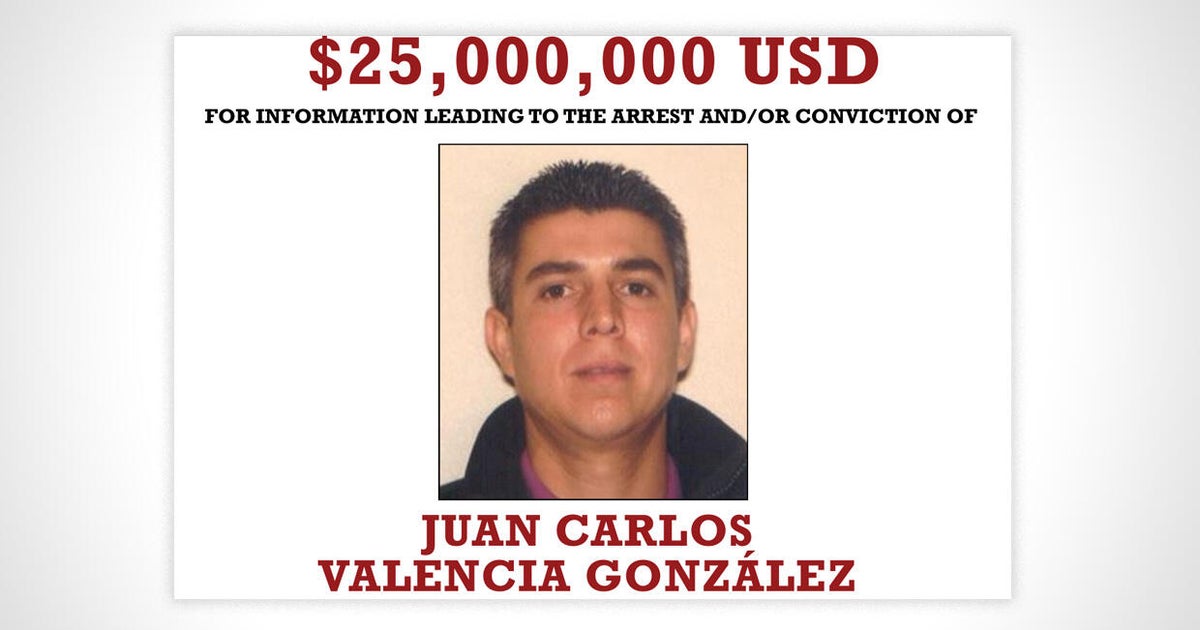
The State Department on Wednesday raised its reward for information leading to the capture of Juan Carlos Valencia González — known throughout Mexico as "Pelón" — to $25 million, up from $5 million. González is a dual Mexican and American citizen who, according to the State Department, was born in Santa Ana, California, on September 12, 1984, and who U.S. officials now describe as the figurehead of the Cártel de Jalisco Nueva Generación, the most powerful criminal organization in Mexico.
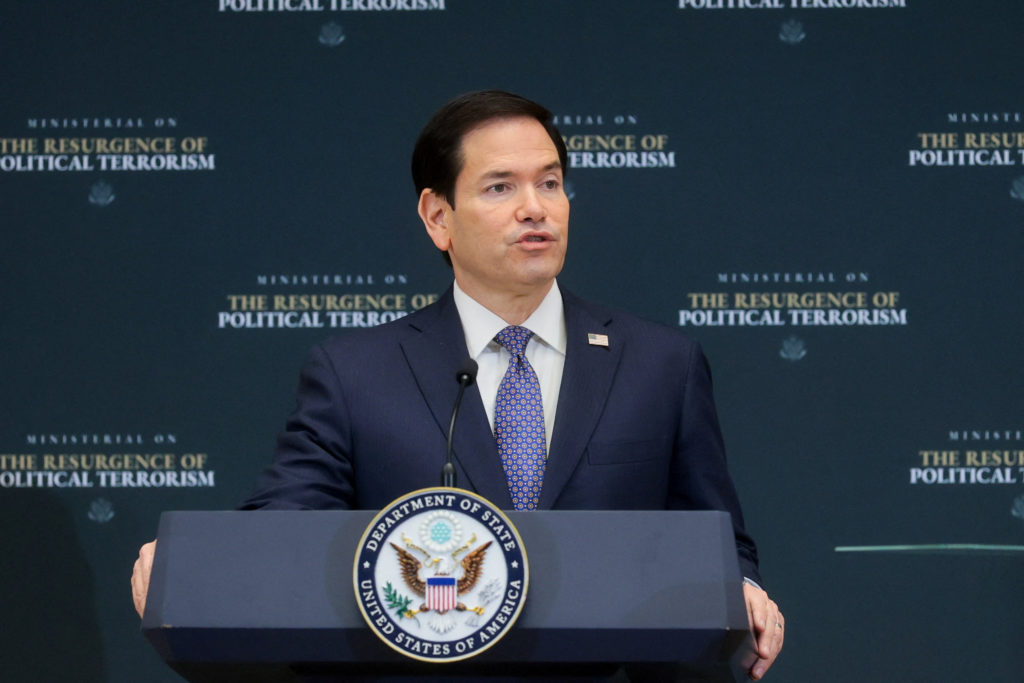
The bounty is part of a wider package announced the same day. The administration put $102 million in total rewards on the table for various CJNG leaders and restricted the visas of family members and business associates of cartel figures — an approach that targets the people who hold property, move money and travel legally on the organization's behalf rather than the gunmen. "The United States is hunting down, dismantling, and destroying Cártel de Jalisco Nueva Generación," Secretary of State Marco Rubio said.
González's rise followed a death. He is the stepson of Nemesio Rubén Oseguera Cervantes, the founder known as "El Mencho," who was killed by the Mexican military in February 2026 after more than a decade as the most wanted man in the country. Succession inside a cartel of that size is rarely clean, and U.S. officials say González has consolidated enough of the network to be treated as its principal.
What the organization does has expanded well past narcotics. CJNG operates in 21 of Mexico's 32 states and reaches into markets that have nothing to do with drugs: it taxes and in places controls avocado production in Michoacán, siphons fuel from state pipelines in a trade Mexicans call huachicoleo, and runs extortion rackets against legitimate businesses. That diversification is precisely why the visa restrictions matter — a fuel-theft or agricultural operation needs accountants, exporters and front companies that a purely violent enterprise does not.
CJNG is one of eight Mexican cartels the Trump administration designated as foreign terrorist organizations, a classification that opens the door to material-support prosecutions against anyone who transacts with them, including banks and shipping firms. It also underpins the broader campaign of U.S. pressure in the hemisphere over the past year, from strikes on alleged trafficking vessels to terrorism charges filed against Mexican officials accused of taking cartel money.
The reward's most awkward feature is González's passport. A $25 million bounty on an American citizen, born in Orange County, for allegedly leading a foreign terrorist organization raises questions about where he would be tried and under what authority he could be seized abroad — questions the announcement did not address. Rewards of this size have worked before: the $15 million posted for Joaquín "El Chapo" Guzmán preceded his 2016 recapture, and Ismael "El Mayo" Zambada, taken into U.S. custody in 2024, was sentenced to life in July.