Social Security Becomes a Midterm Issue as Trust Fund Is Set to Run Dry by Late 2032
The trustees' latest report projects a benefit cut of more than 20% after depletion, and candidates from Michigan to Maine are being pressed on how to fix it.
Next week's midterm elections could prove momentous for Social Security, with time running out to put the program on solid financial footing. The Social Security trustees' most recent report projects that the program's main trust fund will be depleted by late 2032. After that, recipients would face a cut in benefits of more than 20%.
That puts the burden of repair on both sitting and newly elected lawmakers. Congress would have to solve a problem that previous generations of legislators have put off for decades. "The pressure on Congress is going to just be tremendous going forward," said Martha Shedden, president of the National Association of Registered Social Security Analysts. "Every time that the annual trustees report comes out, there's more and more consternation about what lawmakers are doing."
The shortfall stems largely from demographics. As the U.S. population ages, more baby boomers are claiming benefits while comparatively fewer workers pay into the system, forcing the agency to draw down its trust funds. The concern has surfaced in races across the country, including in key battleground states.
In the Michigan Senate race, Republican Mike Rogers said during an Oct. 25 debate that eliminating fraud was important when asked how he would fix the program. His Democratic opponent, Abdul El-Sayed, backed removing the cap on income subject to the payroll tax so that, in his words, "the rich pay their fair share." The cap currently stands at $184,500, and earnings above that amount are exempt. The tax is 12.4%, split evenly at 6.2% between employers and workers.
Other candidates have embraced the same idea. In a recent analysis of 20 Senate races by economist Jon Schwabish, about half of the candidates said they would support raising or eliminating the cap. Others have been vaguer, promising only that Americans will collect their full benefits without offering detailed proposals.
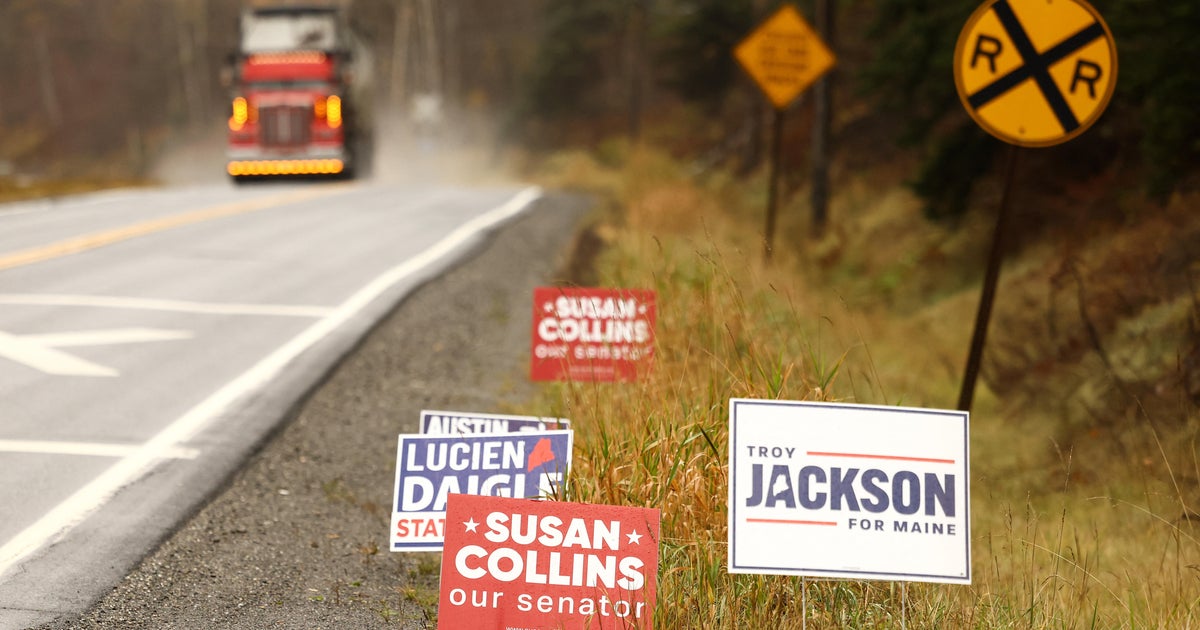
Maine, which has the oldest population of any state, is a particularly sharp example. About 390,000 Maine residents were collecting Social Security as of December 2025, according to the Social Security Administration, which is more than a quarter of the state's population. In a September AARP poll of nearly 1,000 likely Maine voters aged 50 and older, 81% said Social Security is one of the issues that will factor into their vote.
Republican Sen. Susan Collins and her Democratic opponent, Troy Jackson, have each floated ways to stabilize the program. Jackson, a logger and former state senator, has committed to eliminating the payroll tax cap. "People who work hard their entire lives should be able to retire with dignity," he said in a statement to CBS News. "While Susan Collins has repeatedly voted to weaken Social Security, I'll work to scrap the cap because billionaires should pay into Social Security at the same rate teachers and loggers do."
Collins has cast herself as a champion of reform. She co-sponsored the Social Security Fairness Act with Democratic Sen. Sherrod Brown of Ohio, which passed in 2025 and eliminated policies that barred workers with public pensions from collecting their full benefits. In a television interview last week with News Center Maine, she suggested a bipartisan commission to develop solutions, including potentially raising the earnings cap. She also vowed not to cut benefits.
With the main fund projected to run dry in late 2032, the next Congress will inherit the problem, and the candidates elected next week will be the ones expected to solve it.