Campaigns Have Spent $137 Million on AI-Made Ads as Deepfakes Hit the Midterms
In 2024, AI-generated political advertising was under $50,000, according to the Wesleyan Media Project, and most of this year's ads carry no disclosure.
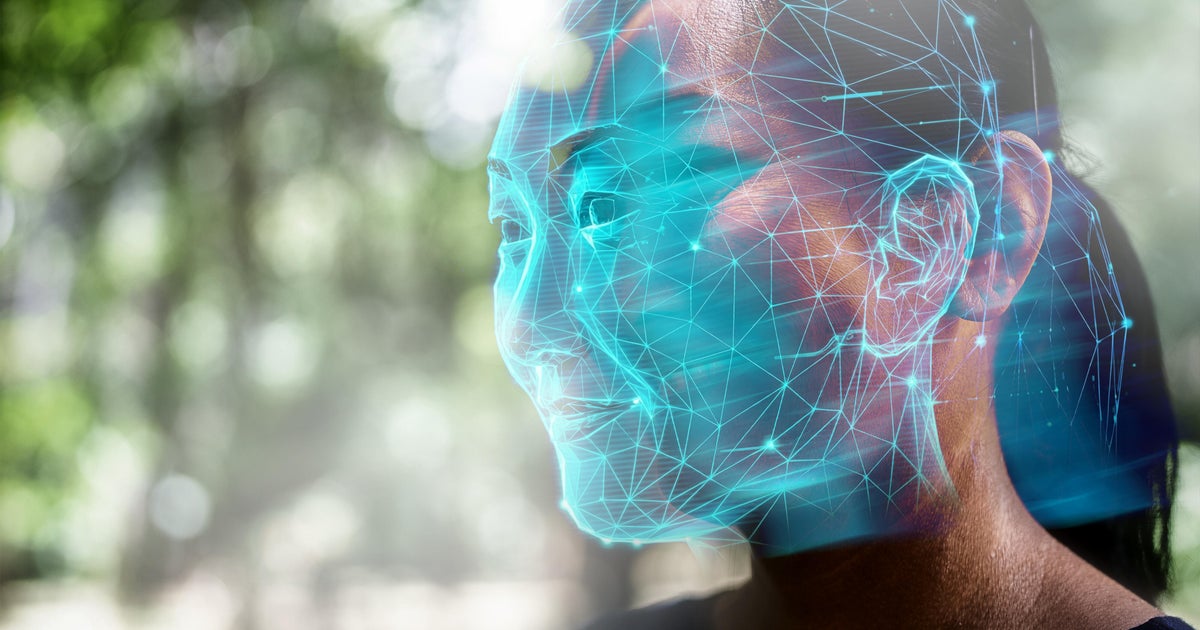
Political campaigns had spent more than $137 million on at least 220 AI-generated ads as of mid-October, according to the Wesleyan Media Project, which tracks candidate advertising. Some of those ads feature deepfakes of candidates. The scale is a leap from the last presidential cycle, when the project identified less than $50,000 in spending on AI-generated ads.
"AI is making its way into the 2026 midterms in a big way this year," Erika Franklin Fowler, co-director of the project, said in a statement this month. She noted that in most cases the creators of the ads do not disclose that they were made with AI. Even when viewers suspect an ad is synthetic, her co-director Travis Ridout said, the images still leave a mark. "Even if we know it's not real, that sticks in one's mind," he said.
The problem reaches beyond ads. In Texas, a fake, AI-manipulated social video targeting Democratic Senate candidate James Talarico purported to show a former student accusing him of sexual misconduct, according to the Poynter Institute's PolitiFact. Security experts told CBS News that deepfakes using the voices and likenesses of celebrities and political candidates can mislead the public in many ways. "When you can't tell what's legitimate, you question everything," said Michael Kaiser, CEO of Defending Digital Campaigns, a nonpartisan group that provides free cybersecurity services to campaigns.
People are poor at catching the fakes. By one measure from Doppel, a company that detects AI-enabled social engineering, fewer than 10% of people can recognize an audio deepfake. In a test, only 8% realized an AI agent was calling them, while 92% thought they were speaking to a human, said Doppel co-founder Kevin Tian. Veriff, an identity verification company, found that 70% of people in one test misidentified a deepfake video of a female character as real.
The old tells are fading. Signs such as extra fingers or a third hand are disappearing from AI output, and Veriff found that people lean on unreliable cues such as odd skin, hair or teeth, which the technology increasingly gets right. "Every day that goes by, the generation of deepfake data gets easier and easier," said Raul Liive, a deepfake expert at Veriff. "If you wanted to fake someone's face years ago, you needed to make an effort to create fake data and use Photoshop. But now, to generate a fake face, you can just prompt your AI tool."
Consumers face the same tools in scams. Veriff has documented a 300% increase in deepfake-related fraud attempts against businesses this year compared with 2025. Liive described cloned-voice calls in which a purported friend asks for a loan or claims to have an urgent medical bill. His advice is to ask whether the request fits the person. "You can also hang up the phone and call the contact back on the number you have for them, or use another channel to validate their identity, if the request seems suspicious," he said.
Election Day is Nov. 3, and the experts who spoke to CBS News said voters should treat unverified political video and audio with suspicion.