State Department Approves $2.1 Billion Sale of 500 Patriot Missiles to Ukraine
Canada, Germany and Norway are paying for the Lockheed Martin interceptors, but Zelenskyy warns deliveries could take years and asks allies to hand over stockpiled missiles now.
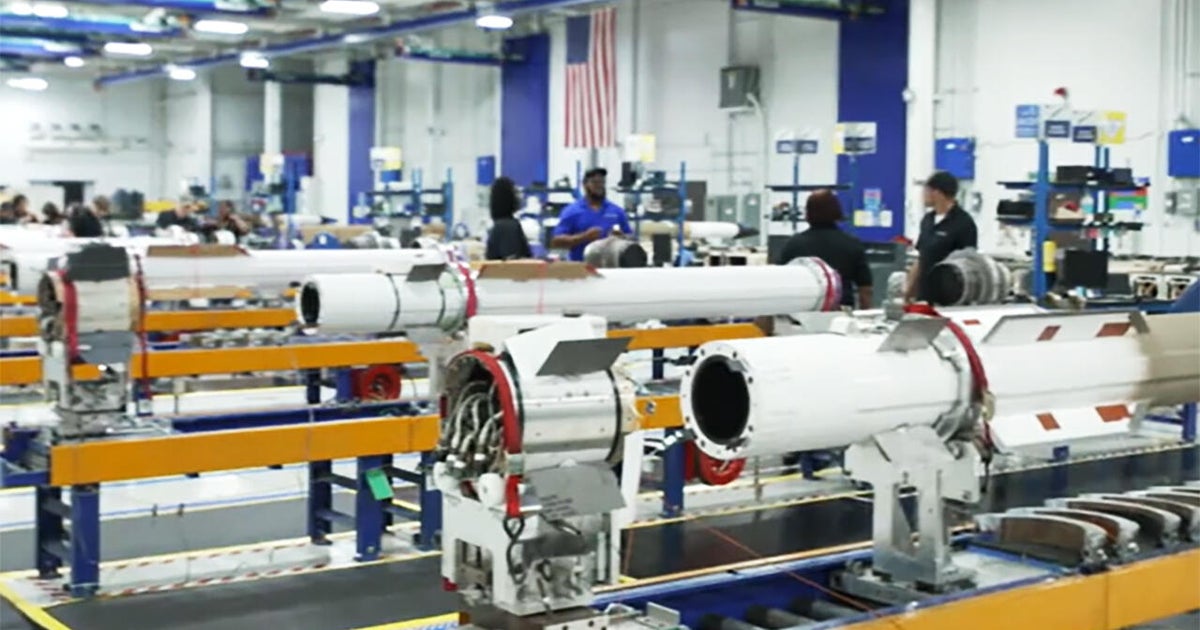
The State Department approved on Friday the sale of 500 Patriot missiles to Ukraine at a cost of $2.1 billion, giving Kyiv a major order of air defense interceptors as Russian strikes on its power grid continue. The department said no U.S. funds are involved.
In a statement, the State Department said Ukraine will pay for the purchase with donations from Canada and European allies such as Germany and Norway. It said the principal contractor is Lockheed Martin and that the sale would have "no adverse impact" on U.S. defense readiness. "This proposed sale will support the foreign policy and national security objectives of the United States by improving the security of a partner country that is a force for political and economic stability in Europe," the department said.
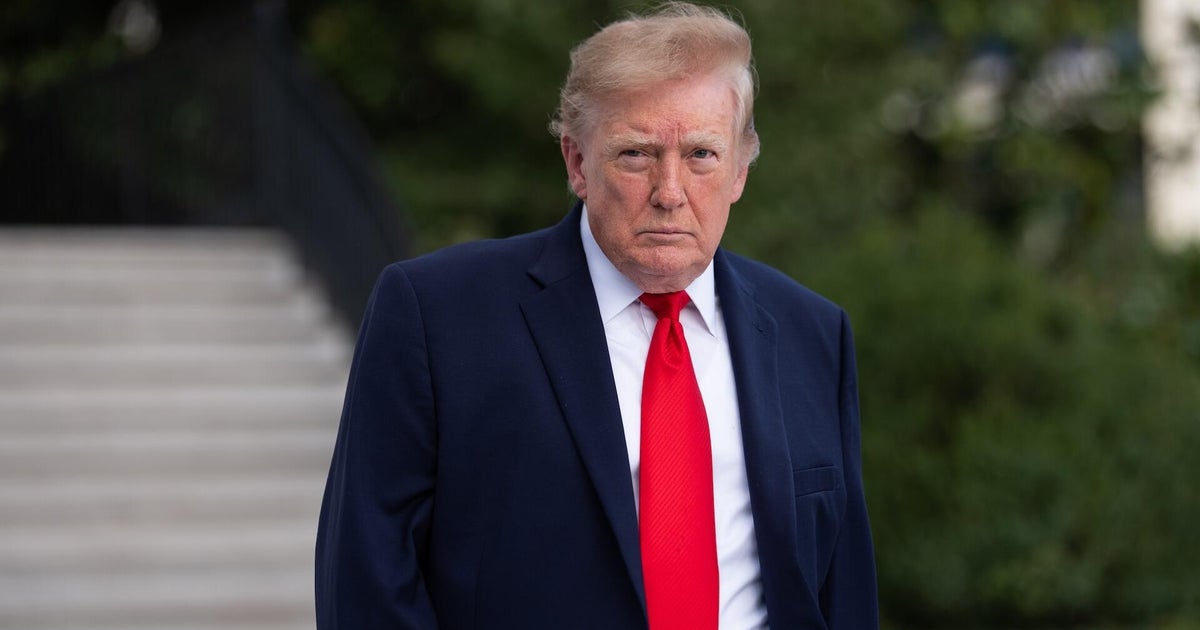
Ukrainian President Volodymyr Zelenskyy praised the decision and thanked President Trump, but warned that it may take years for the munitions to arrive. "We are asking our American partners to find a solution for the time when there is a real danger," he said Friday evening.
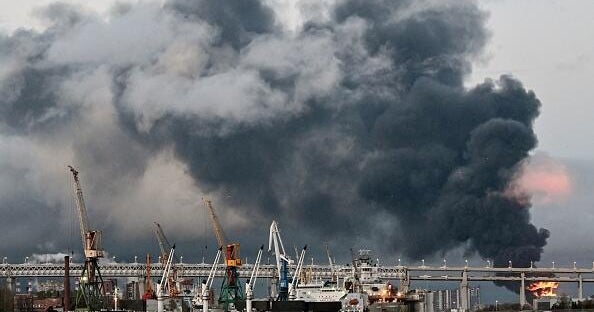
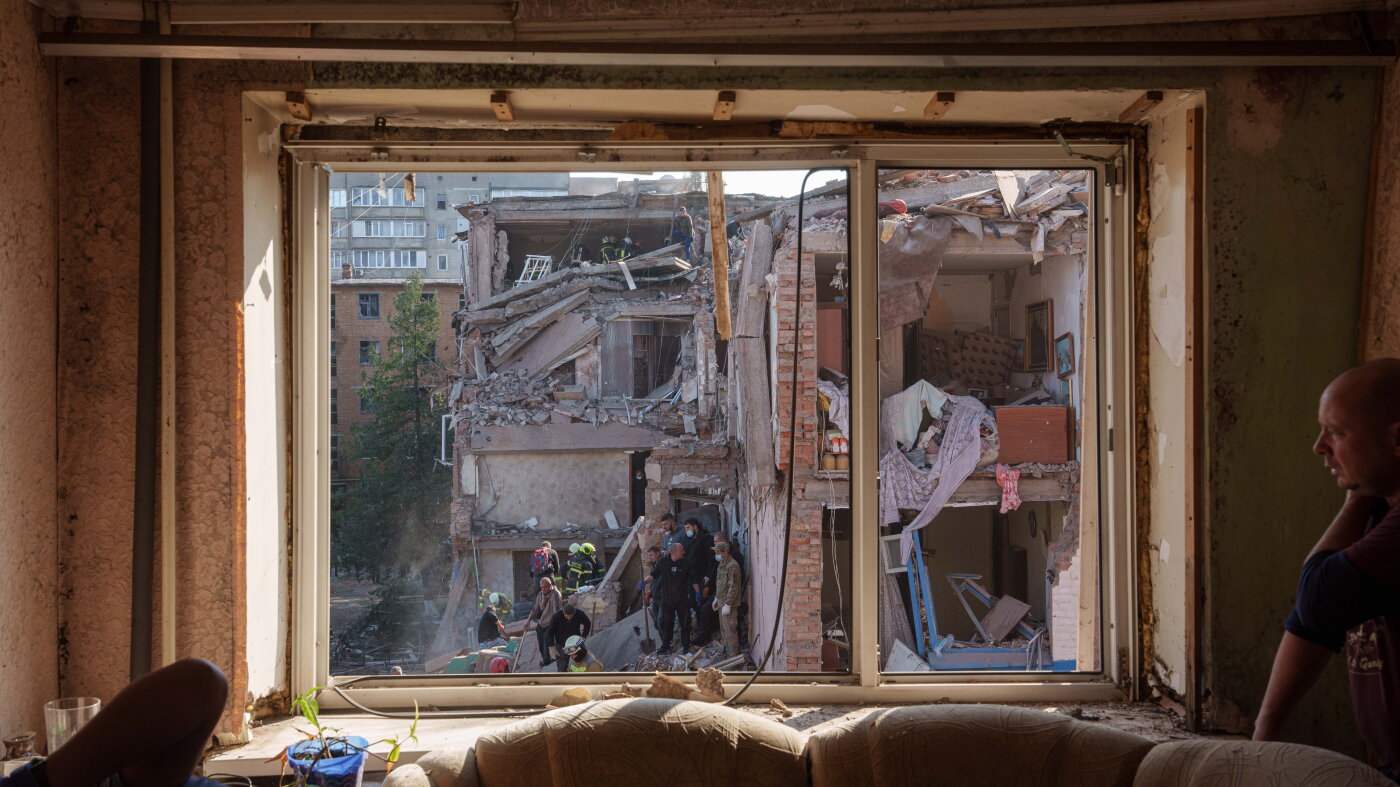
In a post on X, Zelenskyy said Russia had carried out more than 30 strikes on Ukrainian energy infrastructure in the past two weeks, targeting "the systems that sustain life in our cities and communities." He asked the United States and European allies to give Ukraine Patriot missiles from their own stockpiles now, and to replenish their arsenals in the coming years with the 500 missiles Ukraine is buying. "We are asking for decisions that can guarantee the protection of lives not the day after tomorrow or sometime later, but at the very moment the threat is there," he said.
Ukraine has long warned that its Patriot supplies are dwindling. The Patriot system is one of the few it has that can intercept the ballistic missiles Russia fires at its cities, and Kyiv has previously accused the United States of slowing deliveries of the critical interceptors.
The sale lands amid continuing friction between Zelenskyy and Trump. The president has faced criticism for waiving new sanctions on Russia just days before they were expected to take effect. This week Trump also met at the White House with Stephen Hubbard, an American recently freed from a Russian prison, and tied that release to his decision to hold off on the sanctions, saying Hubbard would not have come home if he had imposed them during negotiations.
The gap between approval and delivery is the central problem Zelenskyy raised. A sale approved today fills a production line, not a launcher, which is why he is asking allies to move missiles they already hold. For now, Ukraine's cities rely on whatever interceptors are in the country, while the order Washington just cleared will arrive over a period he says could stretch for years.