Zelenskyy Signs Missile Defense Deals With Saudi Arabia, Qatar, and UAE, Trading Ukraine's Drone Expertise for Patriot Missiles
Ukraine deployed 228 counter-drone specialists across five Gulf countries and signed 10-year contracts worth billions — part of a bid to exchange its battle-tested anti-drone experience for the Patriot interceptors that have become the scarcest weapons in the Iran war.

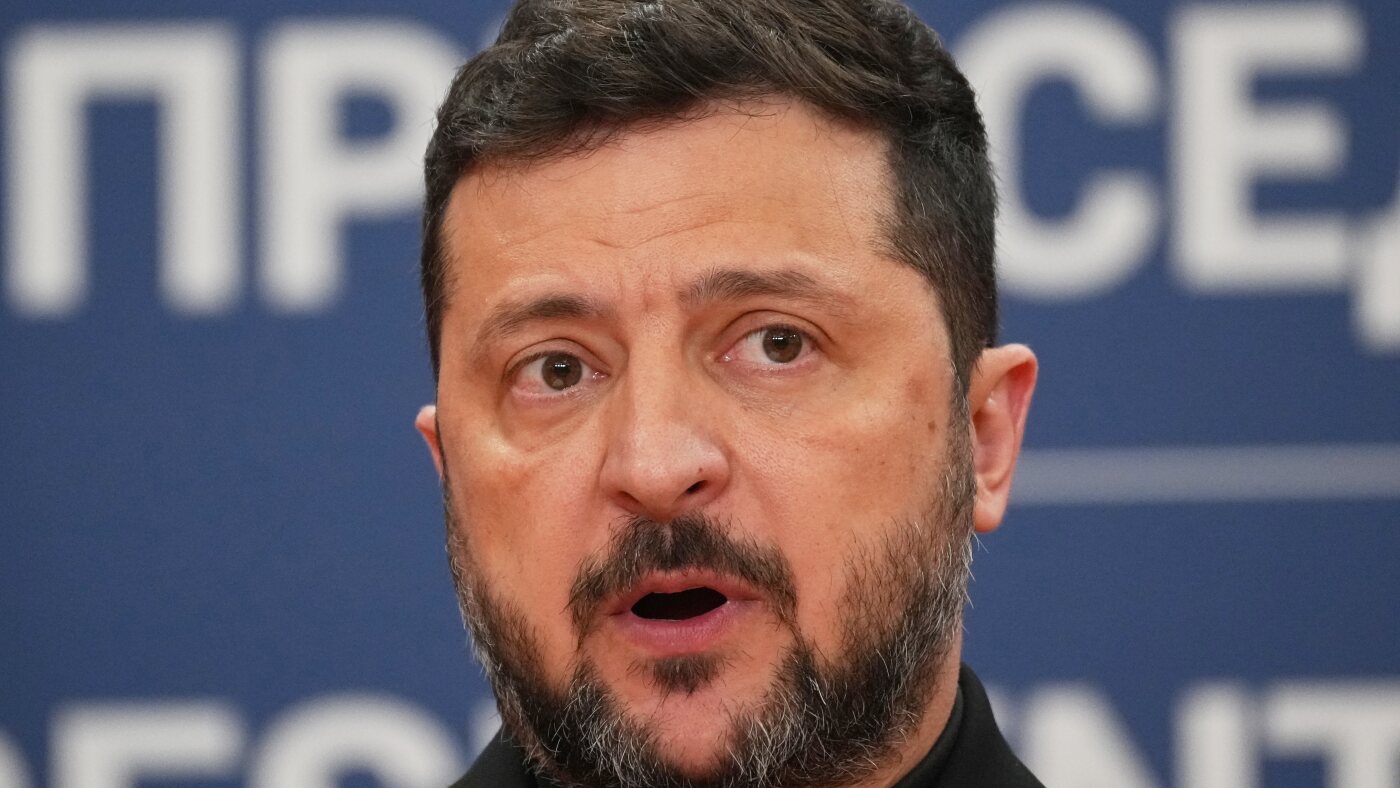
Ukrainian President Volodymyr Zelenskyy completed a Gulf tour spanning three days and five countries this week, signing 10-year defense cooperation agreements with Saudi Arabia, Qatar, and the United Arab Emirates covering counter-drone and missile defense technology. The deals mark Ukraine's most significant foreign policy initiative in months — an effort by Kyiv to monetize three and a half years of battlefield expertise against Russian drone attacks by trading that knowledge for the sophisticated weaponry its allies are unable or unwilling to supply.
The centerpiece of Ukraine's offer is its growing fleet of low-cost interceptor drones, produced at a rate of approximately 2,000 units per day at a cost of roughly $2,000 per unit — the price of a used car. For Gulf states facing an intensifying threat from Iranian ballistic missiles and drones, the calculus is immediately appealing. Conventional Patriot interceptors cost several million dollars each, and the United States and its Gulf partners expended more than 800 Patriot interceptor missiles in the first three days of the U.S.-Iran war alone — more than Ukraine received throughout the previous winter. Zelenskyy made no secret of the transaction he is seeking: "If they give them to us, we will give them interceptors."
By the time Zelenskyy departed the Gulf, Ukraine had deployed 228 counter-drone specialists across five regional partners — Saudi Arabia, Qatar, the UAE, Jordan, and Kuwait. The 10-year strategic contracts are described as worth "billions" for Ukrainian defense exporters. Qatar's Defence Ministry stated the agreement covers "collaboration in technological fields, development of joint investments and the exchange of expertise in countering missiles and unmanned aerial systems." Ukraine is simultaneously offering the same expertise to European partners anxious about their own air defense gaps.
The diplomatic mission carries particular urgency for Zelenskyy because Ukraine has effectively dropped to the bottom of the global queue for Patriot Advanced Capability-3 missiles — the high-end interceptors most effective against Russian ballistic missile attacks. U.S. production and procurement of PAC-3s is being directed toward the Iran war, Taiwan contingency planning, and European NATO commitments. Military analysts described Ukraine's Gulf barter diplomacy as an ingenious workaround: rather than waiting in a line that may not shorten for years, Kyiv is attempting to create its own supply corridor through strategic partnerships.
The backdrop includes a direct Iranian strike on Dubai's Palm Jumeirah on March 1, 2026, which dramatically heightened Gulf state urgency around air defense. Iran subsequently designated Ukraine as a "legitimate war target" on March 14, citing Kyiv's intelligence cooperation with the United States — giving Ukraine and the Gulf states an unexpected common enemy. Ukraine has provided two to three years of hard-won operational experience in multi-layer drone interception that Gulf militaries, however well-equipped on paper, simply do not possess. That expertise, Kyiv is betting, is worth Patriot missiles.
Al Jazeera correspondent Dmitry Medvedenko noted that "Ukraine is offering a cheap way of countering Iranian drones" and that "Ukraine is primarily interested in funding" these arrangements. The United States consumed more Patriot interceptors in the first three days of the Iran war than Ukraine received all winter — a supply constraint that has reshaped the global hierarchy of air defense priorities. Whether the Gulf deals will ultimately yield the Patriot missiles Zelenskyy seeks remains unclear, but the agreements signal a new chapter in Ukrainian diplomacy: selling not just its geopolitical alignment but its battlefield-earned technological expertise to the highest bidder in an increasingly multipolar conflict landscape.