Trump Waives Russia Sanctions and 100% Oil Tariffs Hours Before Deadline
The president used a national-interest clause in the Lindsey Graham sanctions law he signed last month to stop tariffs on the world's five biggest Russian oil buyers, as Moscow's envoy calls the move 'historic.'
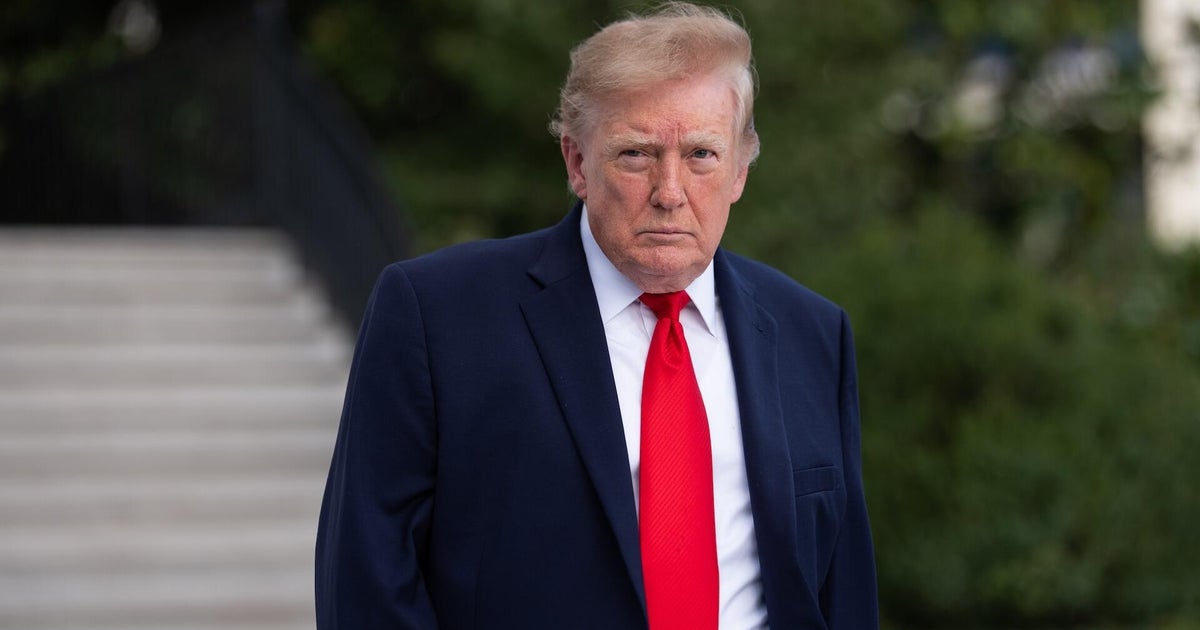
President Trump stopped some new sanctions on Russia, and hefty tariffs on large-scale buyers of Russian oil, from taking effect late Friday. He waived portions of a bipartisan law meant to pressure the Russian government while he tries to bring down energy prices by tapping Russian supply.
Tariffs of 100% on the world's five largest importers of Russian crude oil and natural gas were set to take effect on Sunday under the Lindsey O. Graham Sanctioning Russia Act, which Trump signed late last month. The law lets the president waive parts of it if he certifies to Congress that doing so is "in the national interests of the United States." Trump invoked that provision in an executive order Friday and said he sent a notification to Congress.
He also waived the law's 500% tariffs on Russian goods and halted certain other sanctions on Russia. The waivers stay in place until administration officials "determine that further action is appropriate," the order says, and it directs administration officials to "monitor" countries that import Russian energy or evade sanctions. The law was championed by the late Sen. Lindsey Graham, who died before it passed, and largely targeted the biggest buyers of Russian oil and gas, including China, India and Turkey.
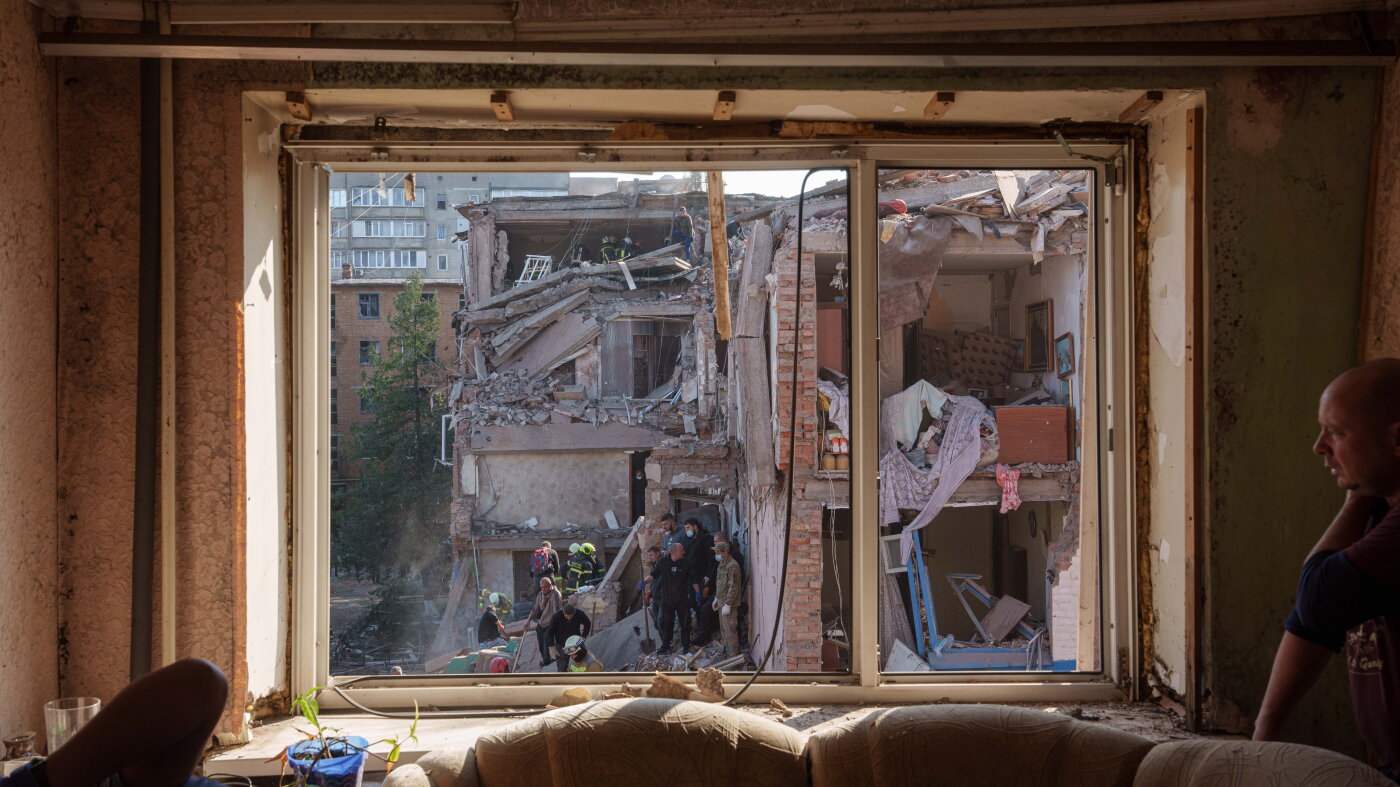
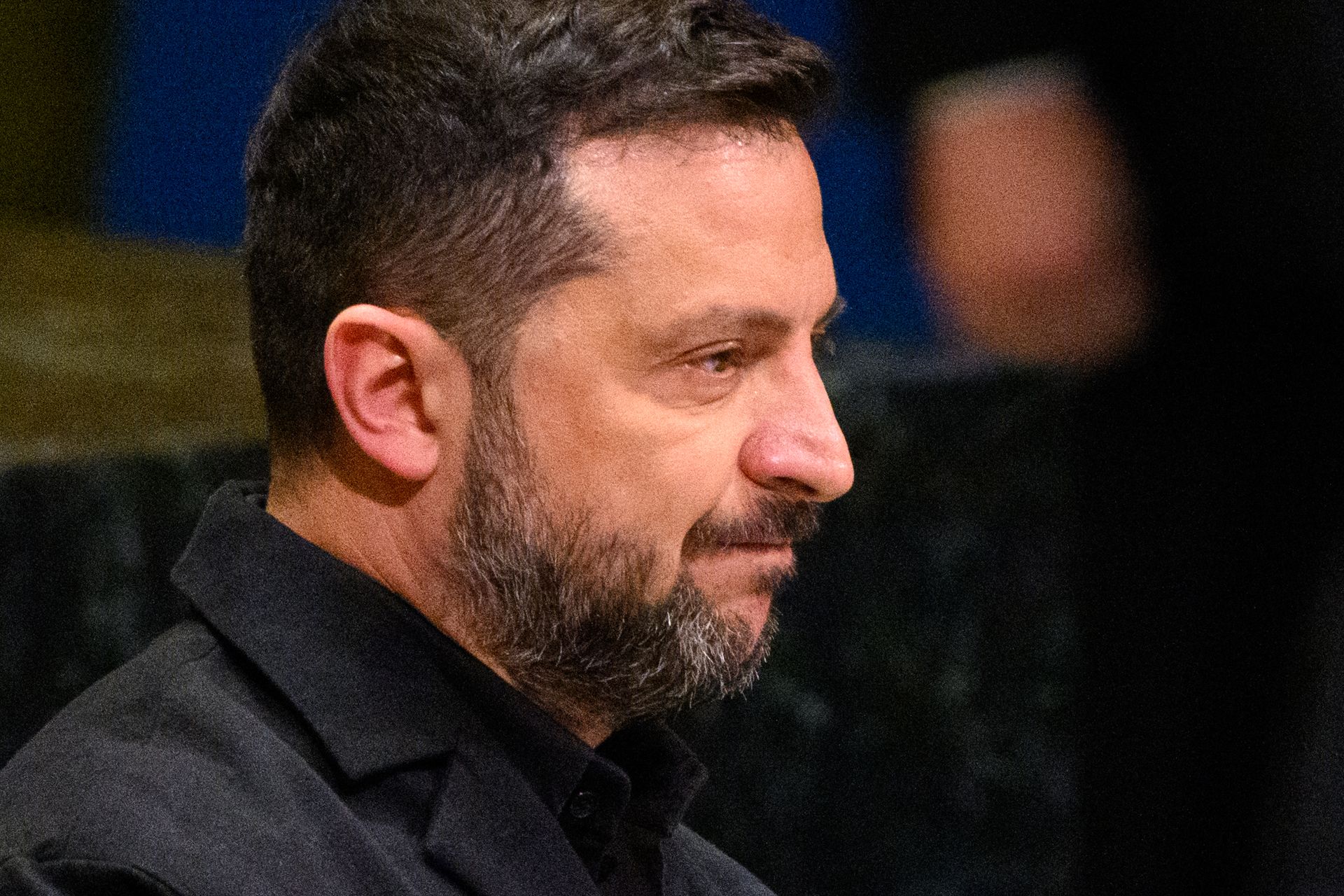
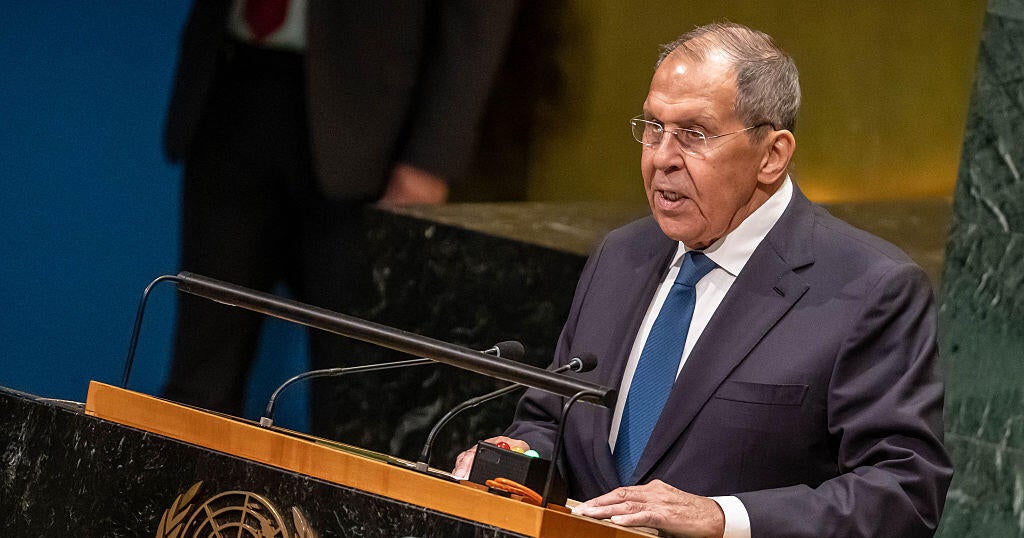
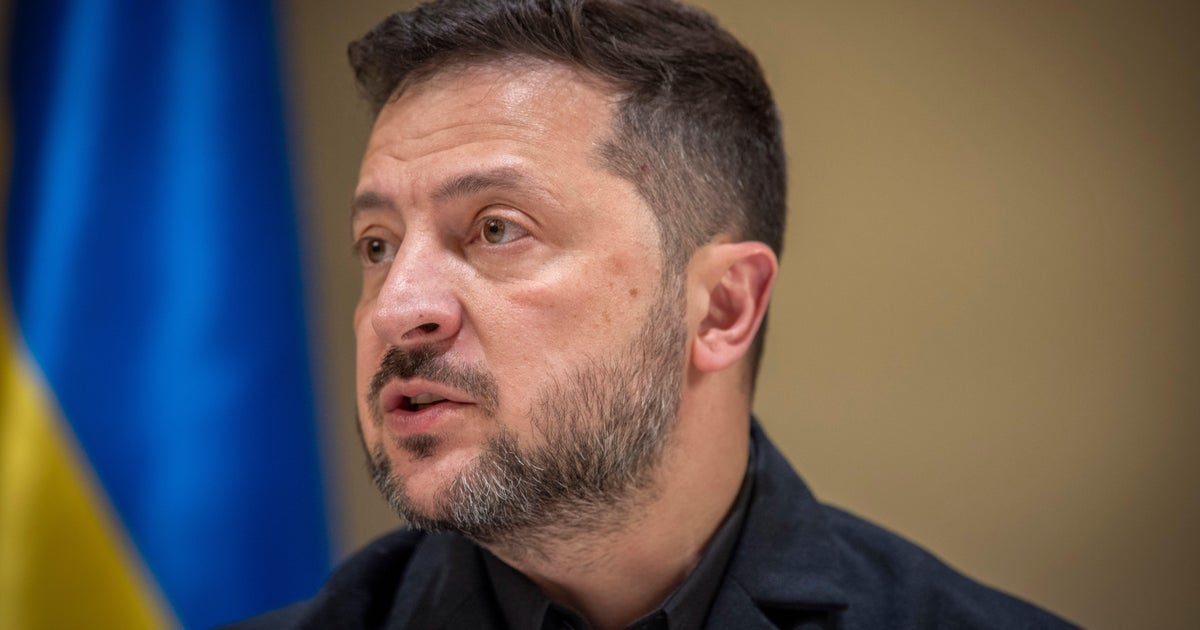
Russia welcomed the decision. "The Trump administration's suspension of the Graham Act is an important and truly historic moment," said Kirill Dmitriev, an envoy to Russian President Vladimir Putin, in a social media post on Saturday. Ukrainian President Volodymyr Zelenskyy called it "unfortunate" while highlighting the aftermath of a Russian attack on Ukraine's energy sector. "A U.S. sanctions blackout, easing pressure on the aggressor, financial rewards for Putin — all of this only encourages him to keep attacking," he said. Zelenskyy told reporters at the EU Summit that he believes more sanctions relief will follow. "Unfortunately, the lifting of sanctions will continue. I believe the 'diesel deal' is just the first step," he said.
The Friday night waivers came one week after Trump eased sanctions on Russian diesel and announced a deal with Putin to import diesel into the U.S. market. The moves reverse years of U.S. policy that imposed tight restrictions on Russian oil and gas and urged other countries to do the same, in an effort to keep Putin from funding his invasion of Ukraine with energy revenue.
Oil prices remain high after spiking because of the Iran war, now in its seventh month. Trump has increasingly argued that the war in Ukraine is pushing up energy prices. Last weekend he pressed both countries to stop attacking each other's energy infrastructure and announced an "energy ceasefire." Zelenskyy initially said he would abide by it, but after Russian attacks continued he said earlier this week that Ukraine would no longer hold off on striking Russian refineries. Trump has lashed out at Zelenskyy, saying he is "not a big fan."
The decision has drawn pushback in Congress. Earlier this week a bipartisan group of senators called the diesel waivers a "betrayal of the people of Ukraine" and urged Trump to enforce the sanctions and tariffs set out in the Graham law. In a letter, they said the law's authorities "require you to apply economic pressure on Russia and the chief enablers of its war, in particular China, and thereby enhance your negotiating position to bring a swift end to this ruinous conflict." The House passed the bill 262-159 in September and the Senate passed it 86-11 in August. The waivers now leave its main penalties on hold with no end date.