Ukraine Says the U.S. Gave No Warning Before a Russian Barrage on Kyiv, and Starlink Went Dark Too
Zelenskyy says Ukraine got no advance notice of more than 39 ballistic missiles and 120 drones; sources tell CBS News the U.S. may have deliberately held back early-warning data.
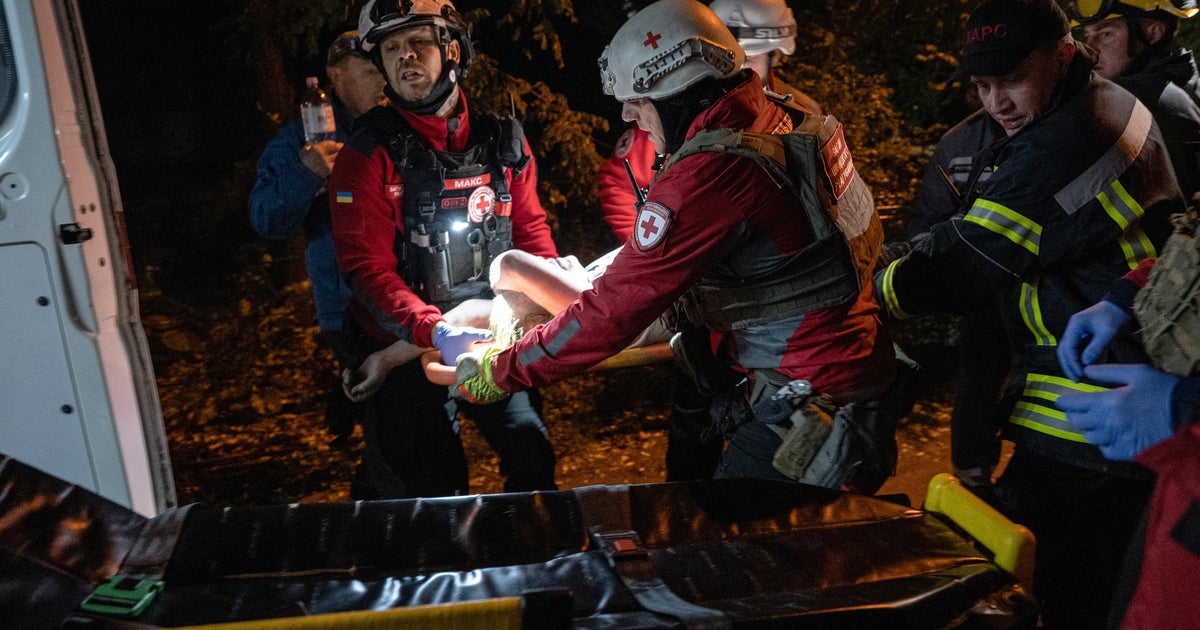
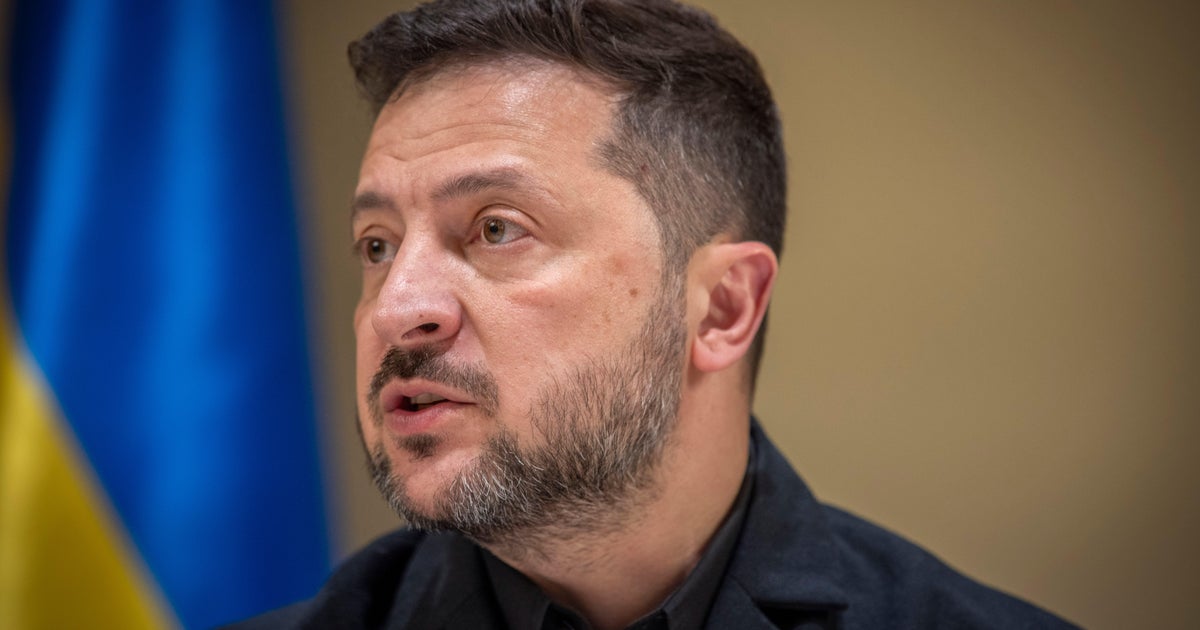
Ukraine received no warning from the United States before Russia fired a massive wave of ballistic missiles at Kyiv and other cities early Tuesday, and multiple sources now tell CBS News the omission may have been deliberate. President Volodymyr Zelenskyy said Ukraine "received no advance warning from our partners" before the barrage.
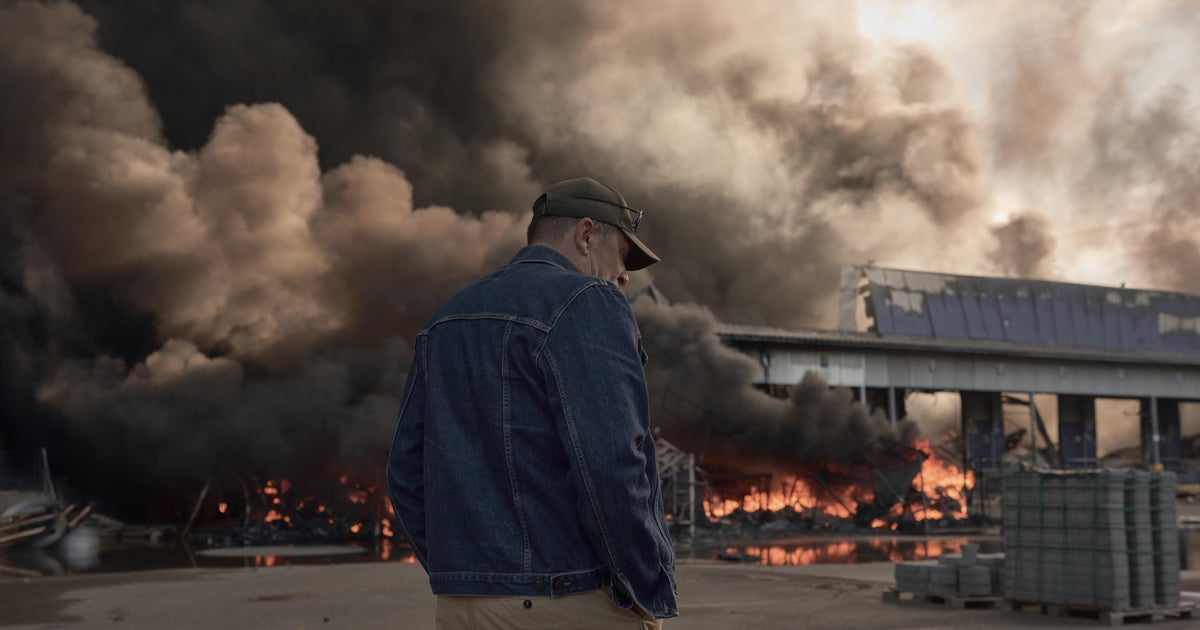
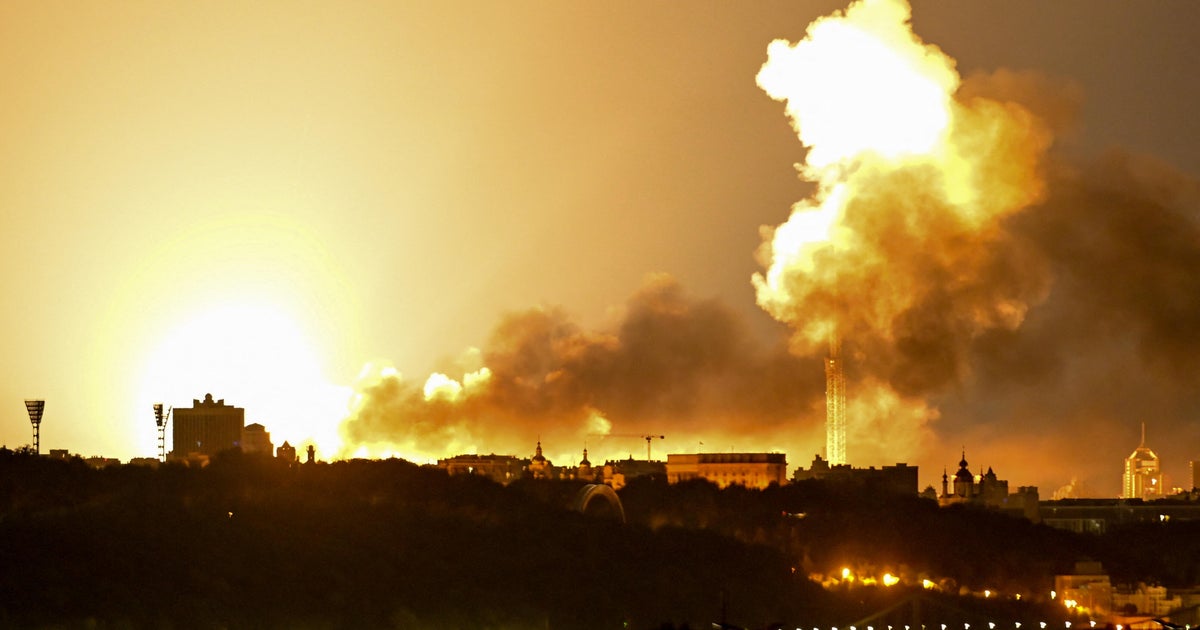
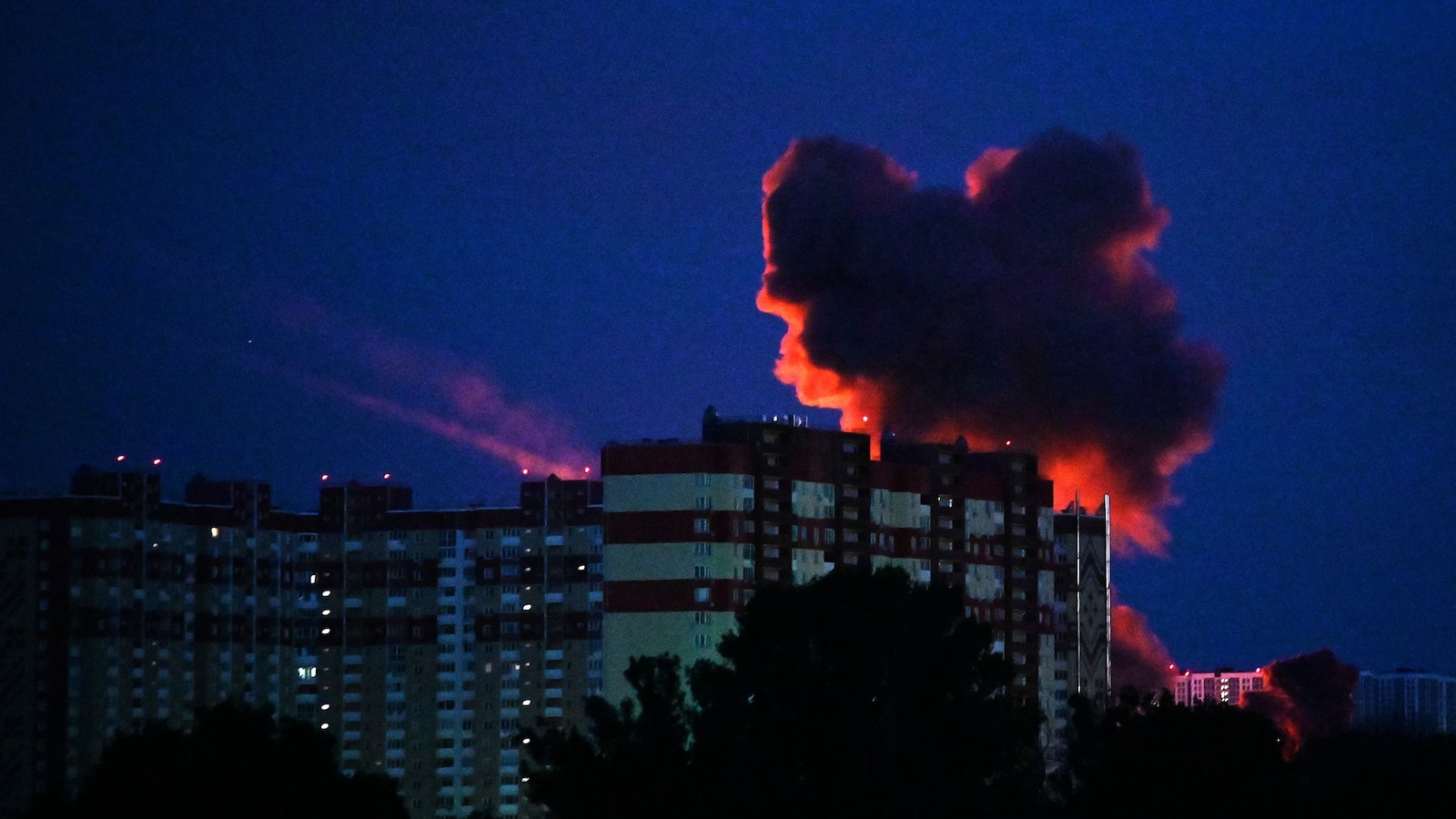
Zelenskyy said Russia launched more than 39 ballistic missiles and more than 120 attack drones and loitering munitions overnight. The strikes mainly hit energy and critical infrastructure in Kyiv and Kharkiv. Six people were killed, and about 600,000 people were left without power.
American officials told their Ukrainian counterparts that the system used to detect Russian missile launches had failed because of bad weather. Ukrainian officials, speaking anonymously, did not believe that account and accused Washington of tampering with the system. When Russia launched another ballistic wave around 3 a.m. local time on Wednesday, the U.S. early-warning system appeared to be working again. Sources also said the U.S. failed to provide launch intelligence during one earlier incident this year, citing a need to focus resources on the Middle East.
President Donald Trump was asked Tuesday whether the United States had stopped sharing intelligence with Ukraine. "No, we haven't," he said. "We help them, but we're really helping them get to a final answer." He added that the U.S. wants the war to end and is working with both Ukraine and Russia toward that goal. Sources told CBS News that the U.S. has not ended intelligence sharing overall and described this week's missed warning as a specific incident.
The timing is striking. Russia began its strikes soon after Trump said on social media on Sunday that Russia and Ukraine had agreed to an "energy ceasefire." Earlier in the week, according to a European official and a Ukrainian official, the administration had threatened to halt intelligence sharing and to stop European allies from buying U.S.-made weapons for Ukraine through the PURL procurement system. The condition, they said, was that Ukraine stop deep strikes on Russian energy infrastructure.
A second problem hit the front line the same night. Ukrainian officials and soldiers reported Starlink difficulties Tuesday night and Wednesday morning. Ukraine's Ministry of Defence said SpaceX restricted Starshield "military package" terminals while they were in motion, "without warning the Defence Forces." The ministry said the change complicates drone missions as well as frontline logistics and communications, and that it is working with the U.S., SpaceX and NATO partners. The Kyiv Independent and the Financial Times first reported the restrictions. CBS News contacted SpaceX, the White House and the Pentagon for comment.
On Wednesday Zelenskyy arrived in the United Kingdom to meet Prime Minister Andy Burnham. On X he called the strike "absolutely deliberate" and said Russia showed "demonstrative disrespect" toward America. He urged the United States and others to "respond harshly."
For Ukraine, the episode raises a basic question about how far it can count on its biggest backer. Early-warning data gives civilians minutes to reach shelter and gives air defense crews time to position interceptors. Losing it, even once, leaves cities exposed. Washington has not publicly explained why the warning did not arrive.