Ukraine Says Russia Lost a Record 46,230 Troops in September as Lyman Counteroffensive Gains Ground
Kyiv's Third Army Corps says it has retaken 176 square kilometers near Lyman, while Russia pounds Ukrainian cities and power lines and jet-powered drones begin to overwhelm air defenses.

Russia suffered its heaviest losses of 2026 in September, when 46,230 of its soldiers were killed or wounded, according to the Ukrainian military. The figure is a new monthly record and follows roughly 40,000 casualties a month since June. It comes close to the goal of 50,000 Russian casualties a month that Ukrainian President Volodymyr Zelenskyy set in January. Ukraine says Russia lost 2,090 troops on September 28 alone, its highest single-day toll of the war. Al Jazeera could not verify casualty claims from either side.
Ukraine says more than 90 percent of those casualties are caused by first-person-view drones, and that it holds video of each one. The heaviest fighting is in Luhansk and Donetsk, where Russia is trying to seize the parts of the two eastern regions it still does not control. Around Lyman, Ukraine's Third Army Corps has run a counteroffensive called Operation Vivaldi, now in its third phase, that has reclaimed 176 square kilometers (68 square miles) in recent weeks. Ukrainian officials say more than 250 Russian soldiers were captured in the operation.
Corps commander Brig. Gen. Andriy Biletsky said the operation worked by feigning an attack from the west, which "forced it [the Russian army] to senselessly burn through its reserves in counterattacks precisely in that direction." Ukrainian forces then attacked from the north. Among the tactics described were remotely operated captured Russian armored personnel carriers packed with explosives that were driven into Russian defenses. Ukrainian drone operators also disrupted ammunition and fuel supplies to starve the front.
Russia denies the gains and has posted videos as proof that it still holds the positions. Assessments by the Institute for the Study of War and the tracking group DeepState, which use geolocated footage, rarely match Russian claims. ISW estimates Russia's net gains this year at 148 square kilometers (57 square miles), against the 5,300 square kilometers Moscow says it has taken.
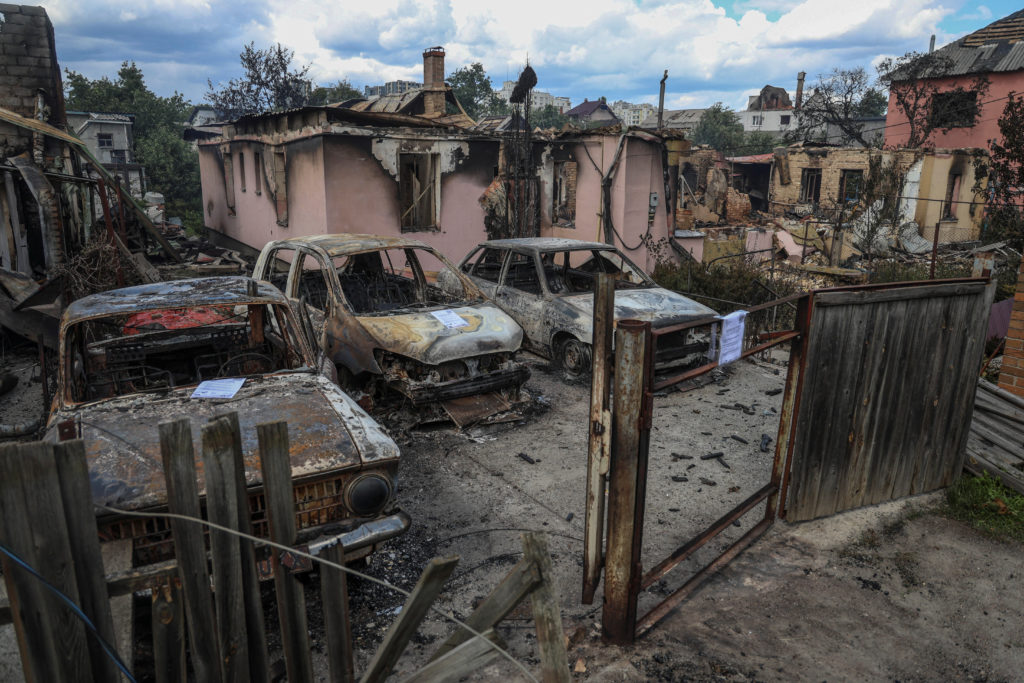
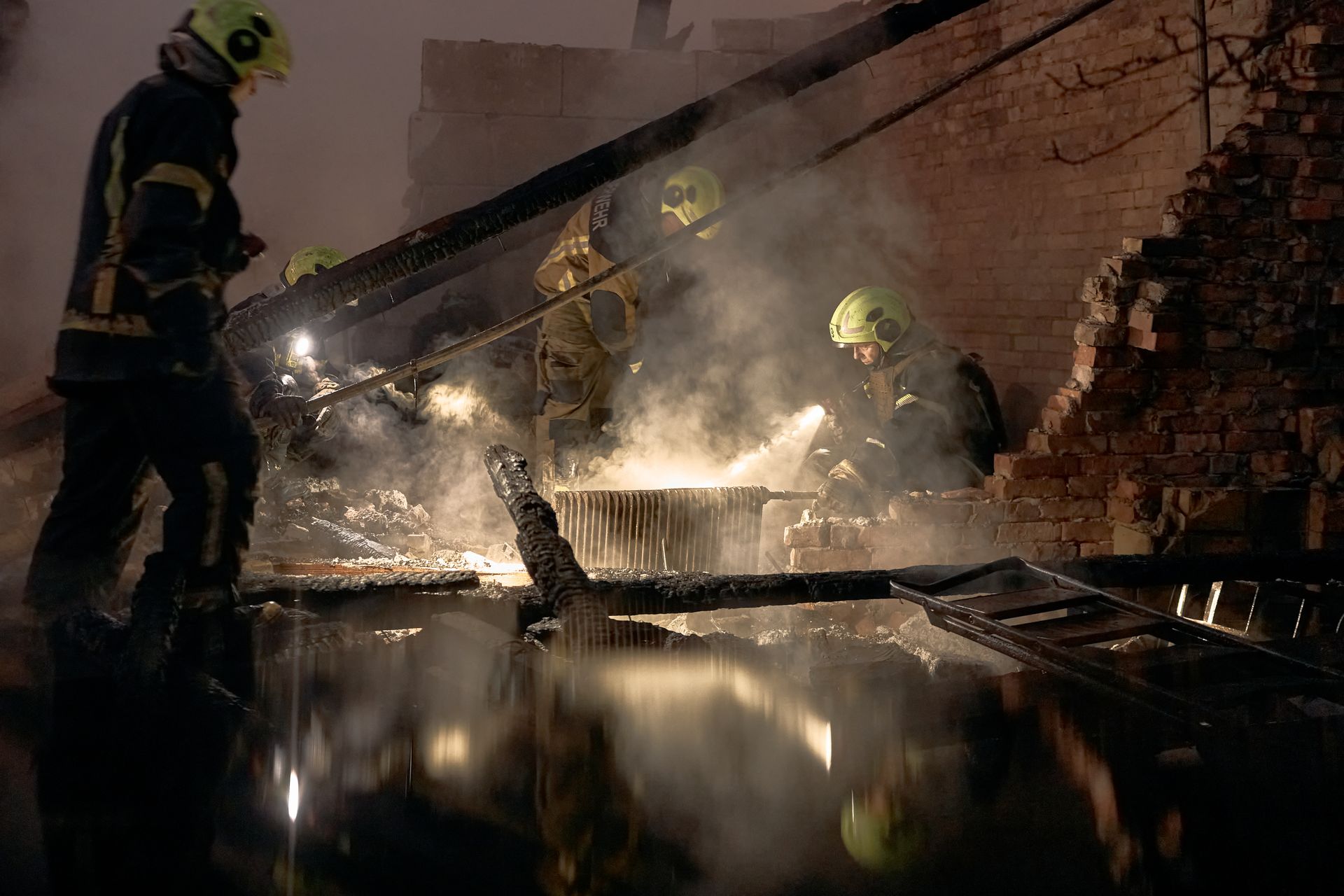
Russia is hitting back at Ukrainian cities and infrastructure. A drone destroyed part of the National Academy of Sciences in Kyiv on September 28, killing several people. On September 30, drones struck a thermal power plant in the Kyiv region and caused outages. Prime Minister Sergii Koretskyi said there had not been a day since summer without an attack on energy infrastructure, but that "such a massive and combined attack has not occurred since the end of the last heating season." Ukraine's defense ministry electronics adviser, Serhii Beskrestnov, said Russia tested a drone with a cumulative cutting warhead on September 30 designed specifically to destroy high-voltage pylons.
The air defense picture is getting harder. Ukraine shot down 81 percent of the 1,933 long-range drones Russia launched in the week ending October 1, down from the more than 90 percent it had reached against propeller-driven models, because many of the drones were jet-powered. Zelenskyy wrote that Ukraine's interception rate for jet-powered Shaheds is now 55 percent. Kyiv is also short of interceptors for ballistic missiles, and several got through on September 30. Zelenskyy had persuaded President Donald Trump to let Ukraine build Patriot interceptors under license at the NATO summit in July, but Trump later retracted the offer.
The two sides are heading into the winter with opposite problems. Ukraine is gaining ground on the eastern front while its power grid and air defenses are under strain. Russia is losing men at a record rate but is trying to leave Ukraine cold and dark. Zelenskyy has warned for weeks that Moscow intends to strike the energy sector hard to cause suffering this winter, and the past week suggests that campaign has started.